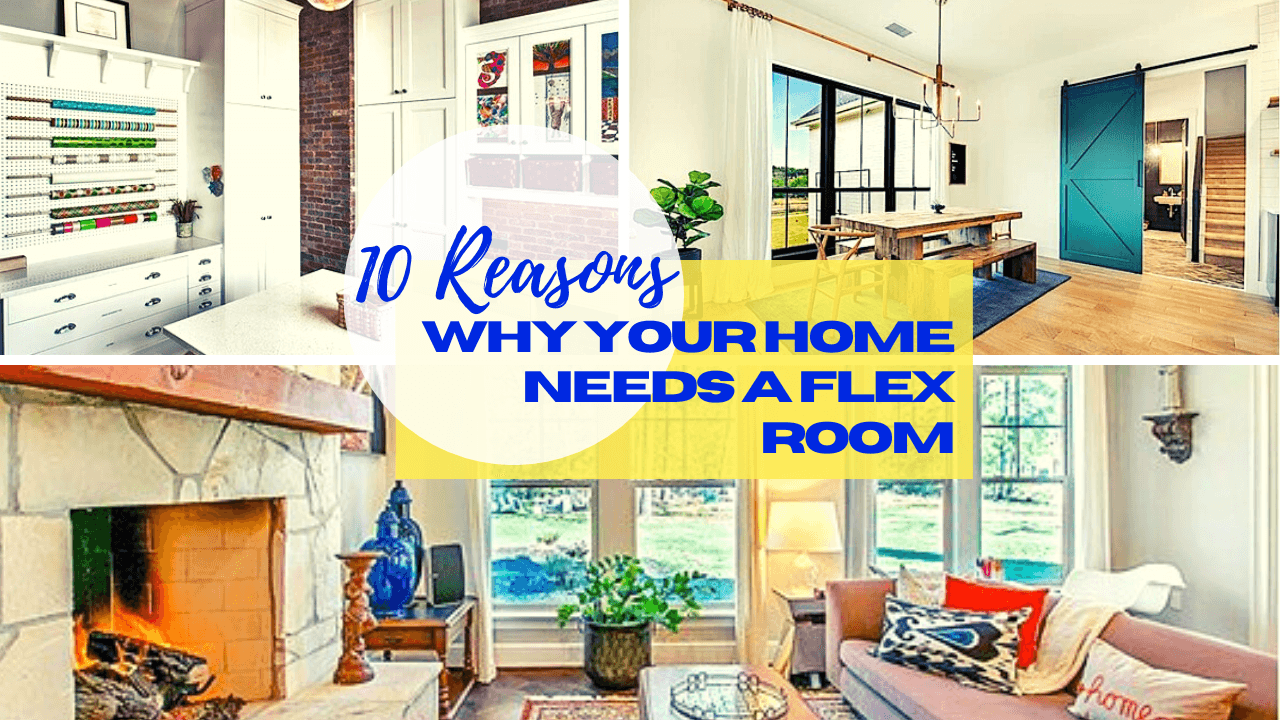
10 Reasons Why Your Home Needs a Flex Room
Flex Room Designs Adapt to Evolving Lifestyle and Needs
Once designated as industrial warehouse space that was converted into office or storage areas, flex space is now one of the popular trends in real estate. As lifestyles and needs of generations of home buyers change, their homes also demand adaptability and flexibility to accommodate the shifts and challenges in daily living.
The pandemic and quarantine time showed us the urgency of flex spaces. With the subsequent growth of remote schooling and more people working from home, the demand for flex rooms has increased in new builds and remodels.
Now, more than ever, families are rethinking the way they utilize their living spaces and getting creative with where in the home they can spend their time with hobbies, crafts, games, exercise, work, and study.
Join us as we look at the importance of flex rooms in modern living and the many creative ways homeowners can explore the exciting possibilities of having them.

A spacious sitting room in a two-story, three-bedroom Craftsman-style home illustrates how flex space is used in the home. With lots of natural light provided by the window and recessed ceiling lights. This room is perfect for reading, relaxing, or watching television. Move the ottoman to one side and convert the room into a yoga space. (Plan #202-1003)
What is a flex room?
The biggest buzzwords in real estate today - flex spaces or flex rooms - simply put are areas in the home that can be used for any activity. The must-have feature in new dream homes, flex rooms can be described as a space that can be used for many different options, depending on your need at the time. Also called a bonus or multi-purpose rooms, these spaces are flexible in form and function. Adaptability is the name of the game when it comes to flex rooms.
Why are flex rooms important?
Everything changes – especially lifestyles and needs. Over the years, as families experience changes, spaces evolve and are adapted to their current needs. Flex rooms, which are used for different purposes, can help transform a house into a real home that is suited to the family.
There are so many reasons why flex rooms matter. For example, these spaces:
- Allow families to do more with the space they have and personalize according to their style, taste, and need– whether it’s a playroom, home office, study room and more
- Make a home larger and more functional
- Eliminate downsizing when older children eventually settle into their own homes or moving to a larger home when in-laws and grandparents move in
- Help ease the stress of having several people living in the same house.
- Multi-generational families can use an extra bedroom, living room, or lounge to escape for privacy and quiet moments away from the activities
- Add to the property’s value – in case, the owners decide to sell
- Offer buyers options that are not available in a resale home
Top 10 Design Ideas for the Flex Room
There are so many smart uses and design options for a flex room. Let us look at the 10 most popular ways homeowners use this flex space.
1. Guest Room – In so many HGTV shows, the need for a dedicated guest space with a bathroom is always a top priority for families who are renovating their homes. If you want to convert the flex space into a guest room, it is easy enough to add a bed, curtains or blinds, nightstands, lamps, and other light fixtures. Closet space is another thing as most flex rooms do not have built-in closets. You can add dressers, coat racks, or portable closets where guests/short-term visitors can hang their clothes while staying with the family.

2. Home Office - It is usually a toss-up between a guest room or a home office for modern families. With the pandemic, quarantining, and the growing work-from-home population, a home office is up there on must-haves for flex rooms.
You can set up a flex room with a desk – perhaps, even two, if you have to share with someone else in the family. Set up bookshelves for office supplies and file cabinets to store important documents and work-related papers.


A flex room in a two-story Country manor home with three bedrooms, two baths, and two half-baths is furnished to serve as a home office and a crafts room. There’s room for a desk and chair and cabinets for file storage and a work table for arts and crafts projects. (Plan #161-1076)
3. A Second Living Room/Family Room is the answer for large families or a home with multi-generations living together. An extra living room can be for family only, or as a space where members can entertain their friends separately and privately – away from everybody else.
Choose comfortable, functional furniture – pieces that are made for casual and informal living. Get sectionals (as shown below), ottomans where people can put their feet up and store toys and other knick-knacks. Accessorize with colorful throw pillows.

4. Multi-Purpose Room – This is a flex space that serves as a game room, a lounge, home office, or study space – depending on the family's needs at any given time.
For example, a few furniture changes can make over a breakfast nook into a home office and/or study space.

5. Crafts/Hobby Room – Whether you spend most of your spare time sewing, knitting, painting, or scrapbooking, you need a flex room to indulge in your hobby. Just imagine if you must store all your supplies in one big plastic container and work out of your bedroom, kitchen, or living room.
Think of converting that flex room into your private craft room – and the convenience of having everything you need artfully arranged in that specific area.
A simple setup is all you need for the craft room: a table, shelves, and cubbies for your supplies. Set up a bulletin board or a dedicated wall in the room to display finished art and other crafting projects.

6. Home Theater/Media Room – A must-have feature, especially when theaters were closed during the pandemic, a flex room with a TV setup and seating is great for family entertainment. With a separate theater room, you don’t have to worry about disturbing members of the family when you are hosting a movie night with friends.
You don’t need a full-scale theater set up – just have a comfortable sofa, a sectional, even bean bags on the floor will do. The key is the TV hookup. If there is no bar in the room, have a cooler with refreshments and a small table for snacks.

7. Nursery – For millennials and the younger generations who are starting to have families, flex space is ideal for a nursery. The space can eventually be converted into a toddler’s room or another bedroom in the future.
A crib, rocking chair for mom or dad, shelves, dresser, and a changing table complete the furniture set up in the nursery. You may want to add area rugs or a full carpet in the room to minimize noise that may disturb the baby.

8. Home Gym/Exercise Room – In this age of fitness and well-being, flex space can be transformed into a home gym or an exercise room that can also double as a yoga corner or a meditation room.
What do you need in an exercise room? An exercise bike -nowadays, the popular Peloton bike, free weights, perhaps a treadmill (if you are not into exercise bikes), mats for yoga, and other floor exercises.
For your meditation room, add scented candles and floor pillows to sit on.

9. Game Room – Other homeowners may want a dedicated game room – instead of a media room - where they can enjoy cards, billiards, and other indoor activities with family friends.
Go with the fun activities that you and your family enjoy. If you love billiards or ping pong, get those for the game room. However, if you enjoy playing cards and board games, be sure to furnish the space with appropriate tables and comfortable chairs or sectionals. For cards, go with a round or small square table. But for games that call for many participants (from 8-10), a long table and regular chairs are preferable.

The game room in a two-story, five-bedroom European style home features a ping pong table and foosball table, a lounge section with a table for playing cards, and a bar for refreshments. (Plan #161-1077)
10. Library/Reading Nook – Different from the home office, a flex room for a library or a reading nook is a place where you can sit, put your feet up and enjoy a delightful book - privately and quietly. It can be an entire room or just one section where you can unwind with your favorite classic.
It may be a quiet spot- but you can set up colorful chairs, rugs, blankets, pillows, or end tables; and do not forget good lighting. Perhaps consider a daybed instead of a reading chair so that you can lay down while reading. And that daybed can serve as a guest bed – so, you end up with a multi-functional piece of furniture.

Although it’s currently being used as a bedroom, this room would easily convert into a fantastic reading nook. Just fill the shelves with some books and get some extra pillows to cozy up and start reading. The built-in bed makes it ideal for extra space as a guest room. (Plan #142-1209)
Whether you are buying a new home or thinking of renovating, consider all the fun possibilities you can have with a flex room. Just imagine what you can create and how you can personalize spaces to adapt to your changing needs.
Footnote: The lead image in this article is a crafts/hobby room in a spectacular two-story, five-bedroom European-style home. For a close look at the 6,353-square-foot home and all its amazing features, go to: (Plan #161-1077)
Sources:
- https://www.glickmandesignbuild.com/2021/05/21/does-your-home-have-flex-space-heres-why-it-should/
- https://www.ownalandmark.com/8-ways-to-make-use-of-your-home-s-flex-space
- https://www.khov.com/blog/what-is-a-flex-room/
(https://www.newhomesource.com/learn/flex-rooms-change-to-suit-buyers-needs-preferences/)
Plan Results
OR ENTER A PLAN #
Blog Resources
Home Design & Floor Plans
Home Building
Architectural Styles/Architecture