House Plans with a View
House plans with a view often feature large rear-facing windows, expansive decks or patios, and walkout basement foundations that open toward the landscape. These view lot house plans are especially popular in lake, beach, mountain, and sloped lot settings where natural surroundings become part of everyday living.
Unlike conventional designs built for standard neighborhood lots, view-oriented homes shift architectural focus to the rear elevation. Living areas, dining spaces, and primary suites are commonly positioned along the back of the home to maximize natural light, preserve long sightlines, and frame panoramic views.
What Defines a View Lot House Plan?
A view lot house plan is defined by how the home responds to its setting. Rather than simply adding windows to the back wall, these designs align the structure with elevation, slope, and sightlines.
- Expanded rear elevations
- Multi-level deck systems
- Two-story window groupings
- Daylight or walkout basement foundations
- Stepped floor plans for uneven terrain
These homes are built to work with the property’s natural grade instead of forcing a flat-lot design onto sloped ground.
Rear Elevation and Window Design
Window placement plays a central role in capturing scenic exposure. In these designs, glass is concentrated along the back of the home to frame lakes, mountains, forests, or open land.
- Floor-to-ceiling windows
- Window walls
- Clerestory or transom windows
- Wide sliding glass doors
By reducing interior barriers along the back wall, these layouts maintain open sightlines while increasing daylight throughout shared living areas.
Designing for Sloped and Elevated Lots
Many homes built for views are constructed on hillside, waterfront, or elevated terrain where grade directly influences foundation design.
- Daylight basements
- Retaining wall systems
- Pier-supported structures
- Stepped foundations
Homes in elevated regions often overlap with mountain house plans, while waterfront builds may share characteristics with lake house plans and coastal house plans.
The objective is to adapt the structure to the terrain rather than modify the terrain to fit the structure.
Walkout and Daylight Basement Foundations
Walkout basements are common in view lot house plans because they allow lower levels to open directly to the landscape. This configuration expands usable space while maintaining exterior access and natural light.
Daylight basement designs introduce windows along one side of the lower level, making recreation rooms, guest suites, or offices more functional.
Foundation choice should be based on slope, soil conditions, drainage requirements, and local building codes.
Outdoor Living and Deck Integration
Outdoor spaces are typically incorporated into the original structure.
- Rear decks connected to main living areas
- Covered patios beneath upper-level balconies
- Elevated seating areas
- Direct access from lower-level living spaces
These elements extend usable square footage and encourage regular use of the surrounding setting.
Interior Layout for Scenic Exposure
Interior placement supports the overall orientation strategy.
Kitchens, great rooms, and dining areas are often arranged along the back of the home to take advantage of window placement. Primary suites balance privacy with exterior exposure.
Many of these homes include three or more bedrooms. Buyers comparing layout sizes may review 3 bedroom house plans or 4 bedroom house plans.
Typical Size and Bedroom Options
View lot house plans vary in scale. Many range between 2,000 and 4,000+ square feet, allowing room for expanded elevations and outdoor living areas.
- 2000–2500 square foot house plans
- 2500–3000 square foot house plans
- 3000–3500 square foot house plans
Larger layouts provide flexibility for window walls and extended deck systems.
Frequently Asked Questions About View Lot House Plans
Are view lot house plans only for sloped property?
No. While many are designed for hillside or elevated terrain, flat waterfront lots can also benefit from rear-facing layouts and large windows. The key difference is orientation — these homes are arranged to capture natural surroundings through window placement and rear elevation design rather than focusing only on the street-facing facade.
What foundation works best for a view lot?
Walkout and daylight basement foundations are common on sloped terrain because they allow the lower level to open directly to the rear grade. On flatter lots, slab or crawlspace foundations may be appropriate. The best choice depends on soil conditions, drainage requirements, and local building codes.
Why do view house plans have so many windows?
Large rear-facing windows and window walls are used to frame natural scenery and increase natural light. In many designs, glass is concentrated along the back of the home to preserve panoramic views while maintaining privacy from the street.
Do view lot homes require wider lots?
Often yes. Expansive rear elevations, deck systems, and multi-car garages can increase overall width. Reviewing lot dimensions before selecting a plan helps ensure the design fits both the property and setback requirements.
Are these homes suitable for lake or mountain settings?
Yes. View lot house plans are commonly built near lakes, mountains, forests, and open landscapes where preserving natural sightlines is a priority. Many also overlap with mountain house plans and lake house plans when terrain conditions are similar.
Can a smaller home still be considered a view lot design?
Yes. While many view homes range between 2,000 and 4,000 square feet, smaller layouts can still be oriented toward the rear elevation and include large windows or decks designed to capture surrounding scenery.
Explore House Plans with a View
Browse the full collection of house plans with a view to compare rear elevations, foundation types, and layout configurations. Reviewing lot conditions early in the planning process helps ensure the home design aligns with the surrounding landscape.
Plan Results
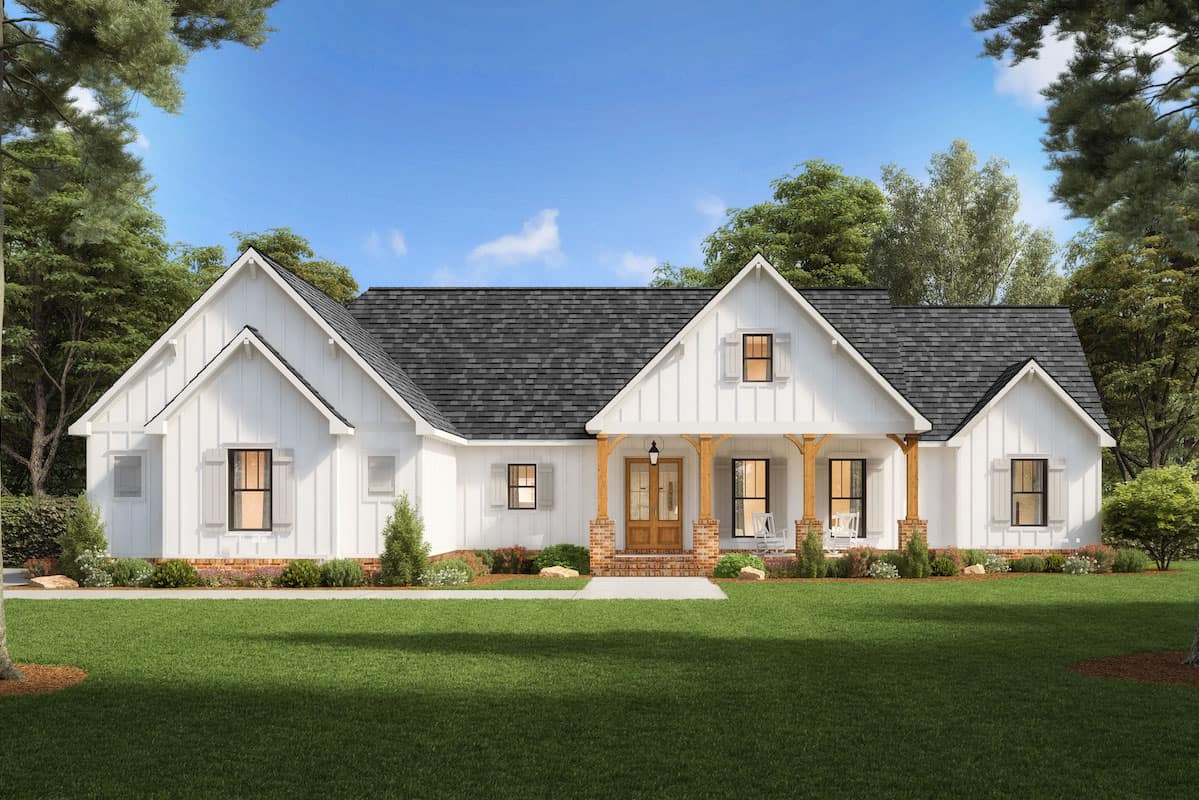
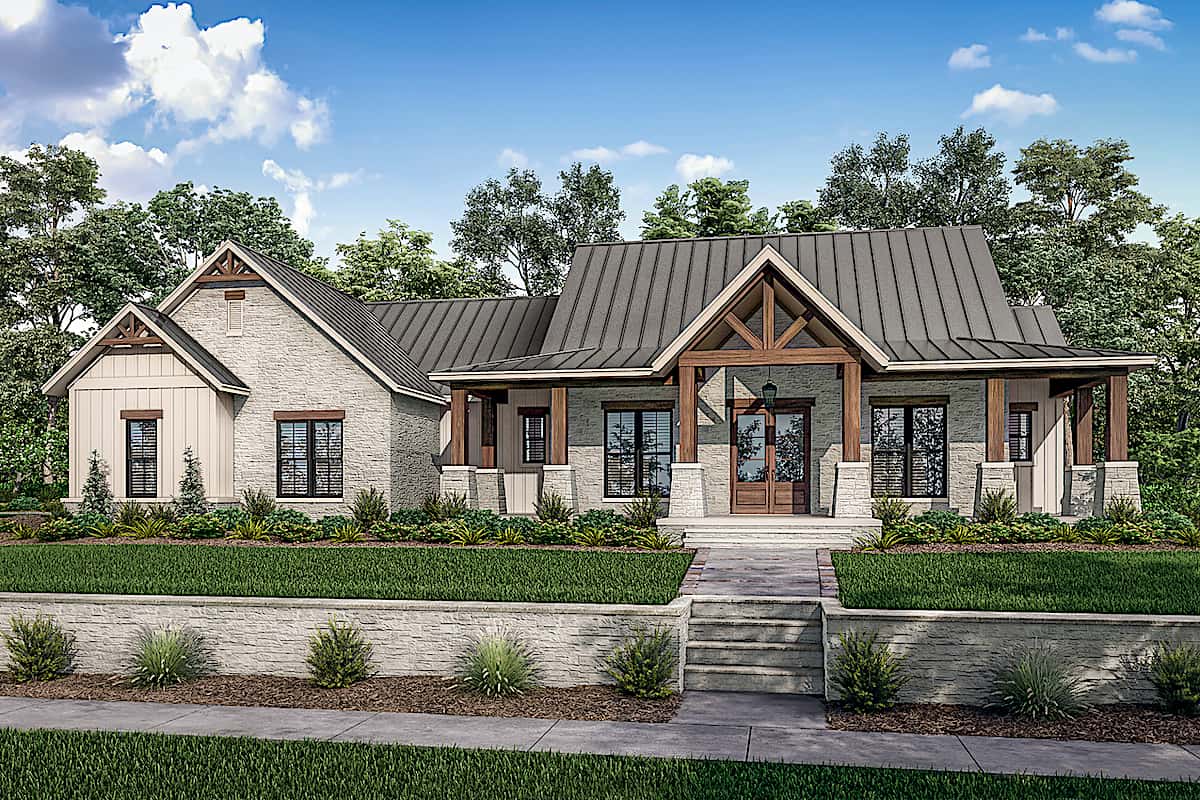
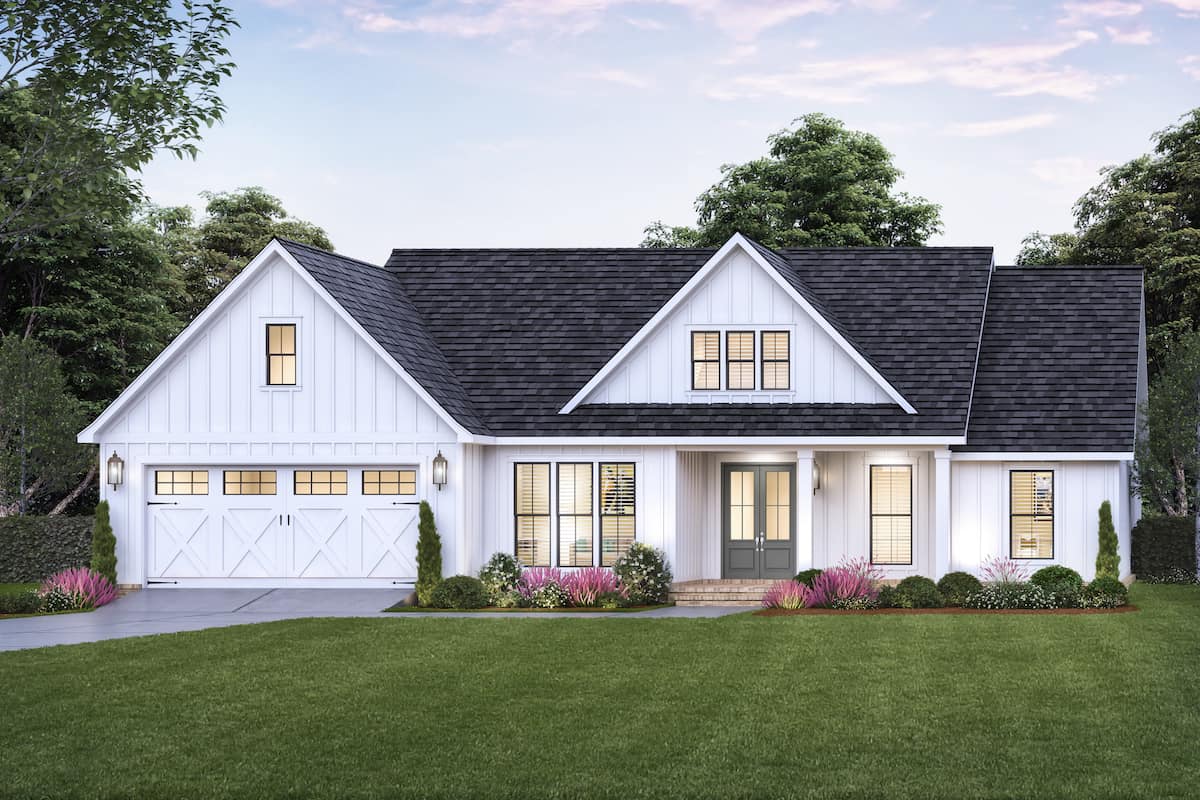

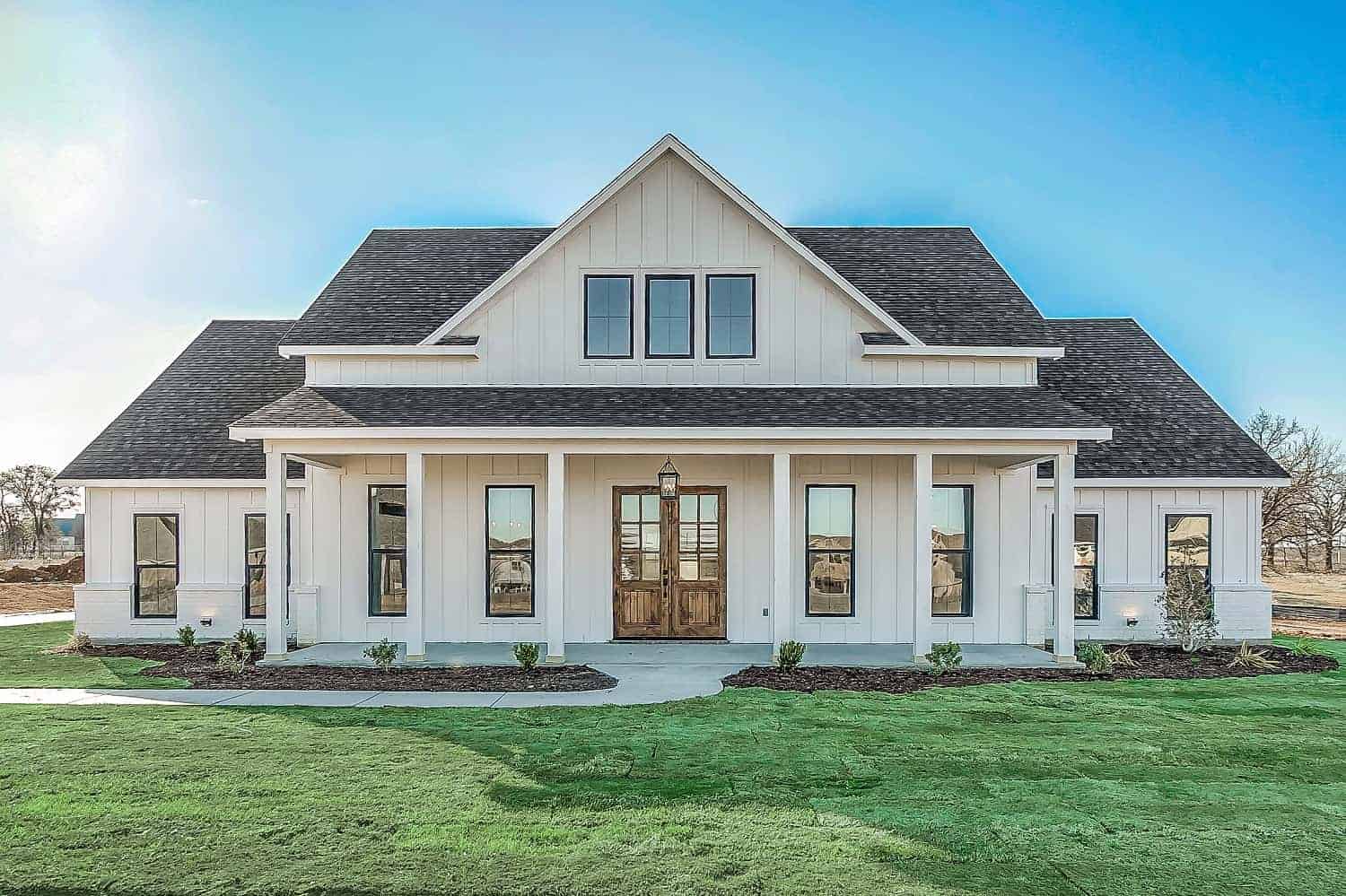



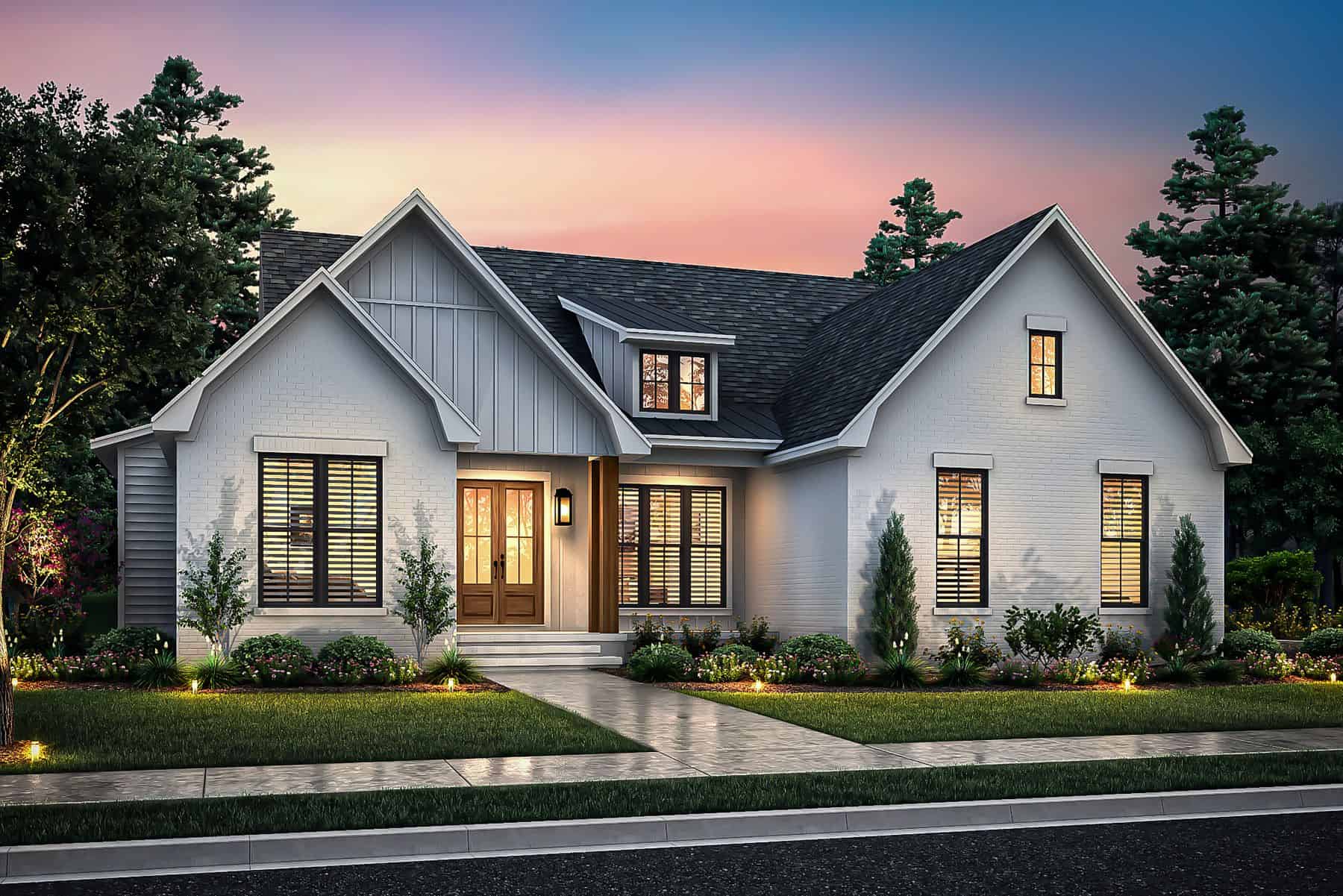
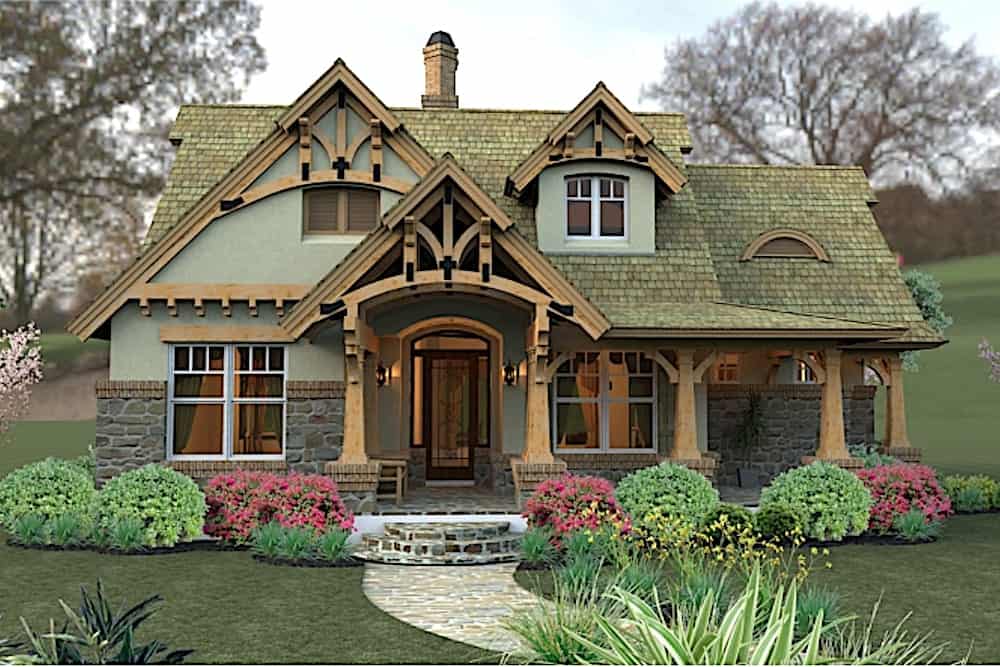
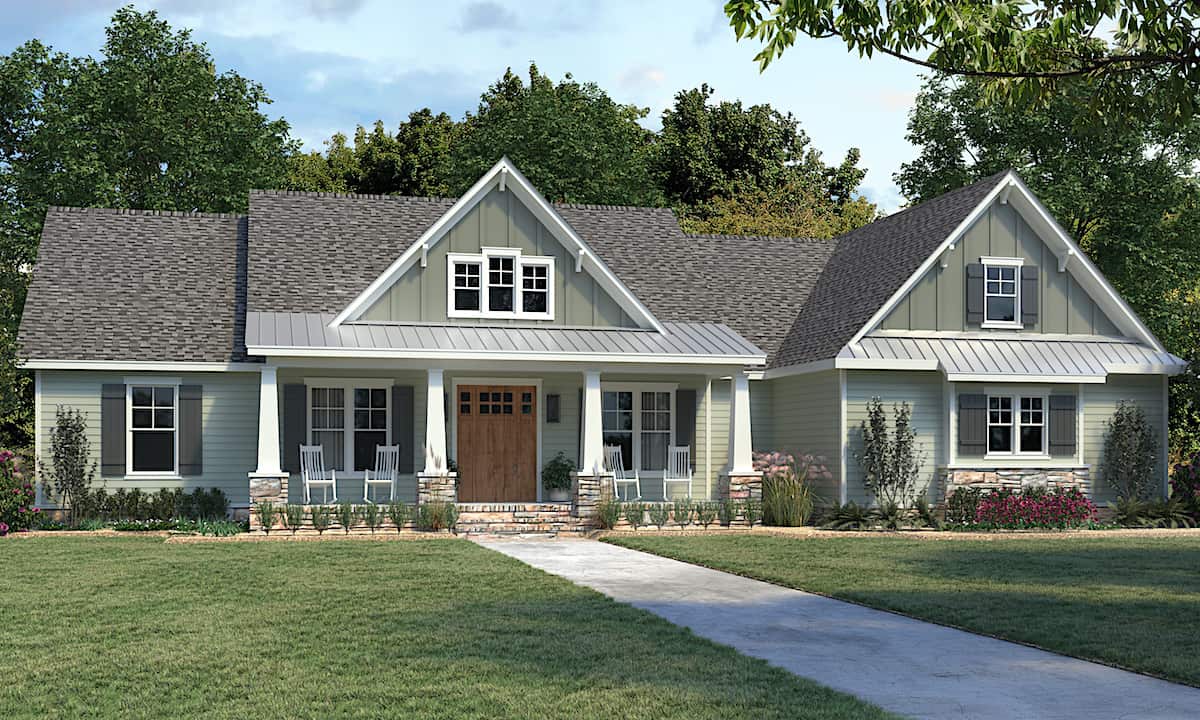
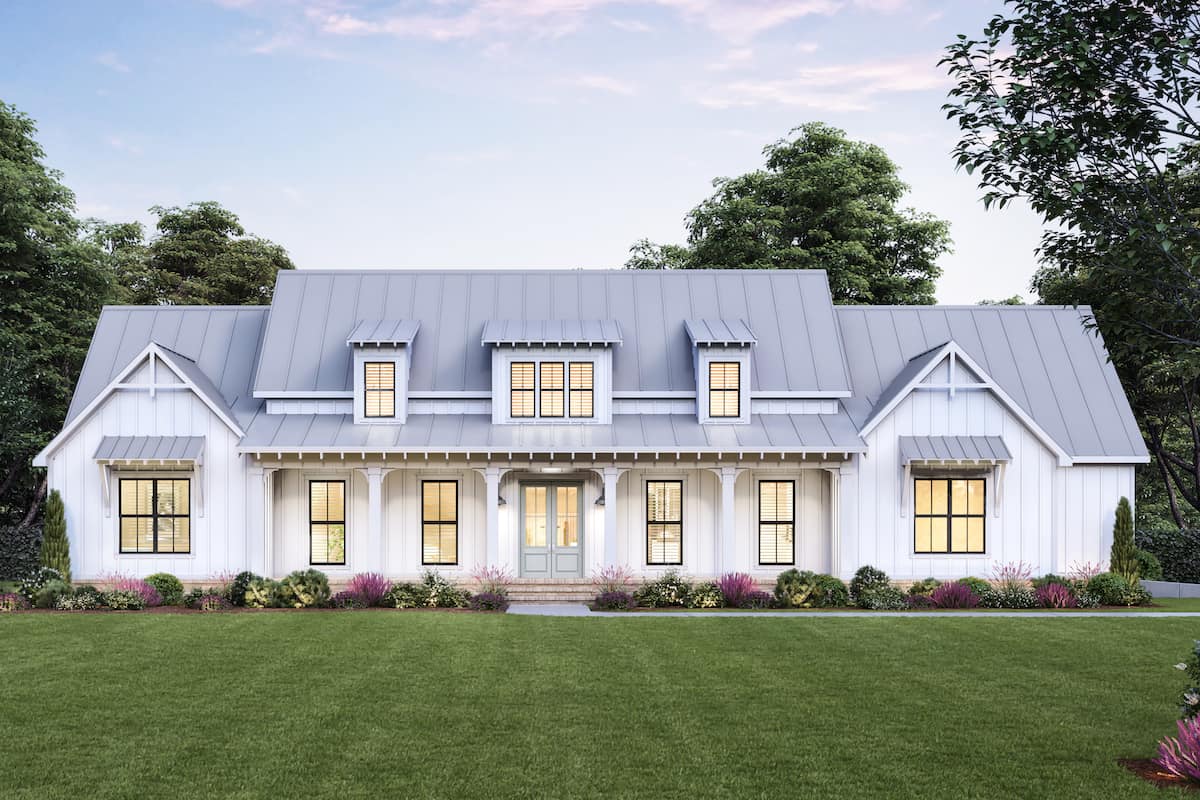
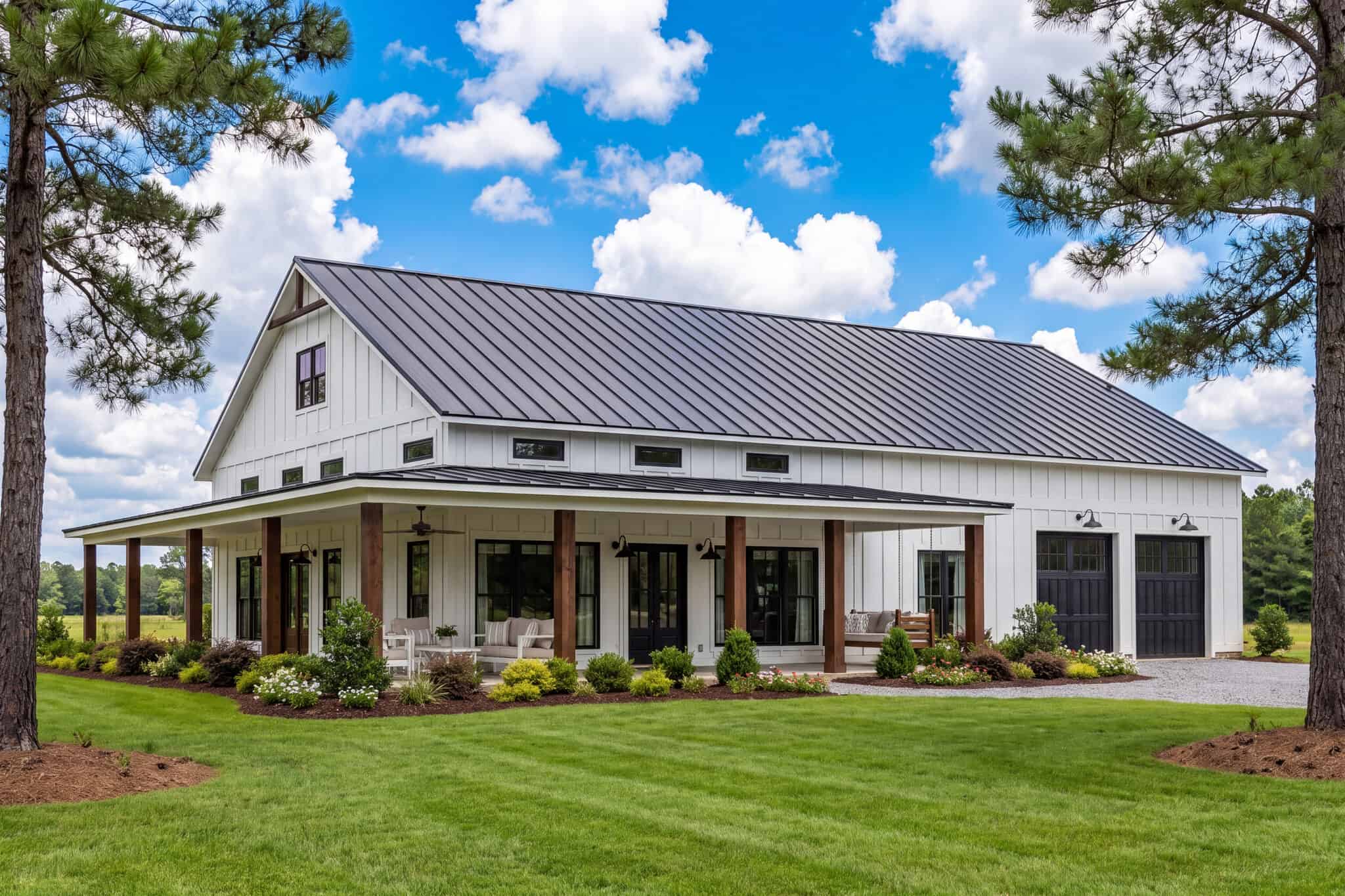
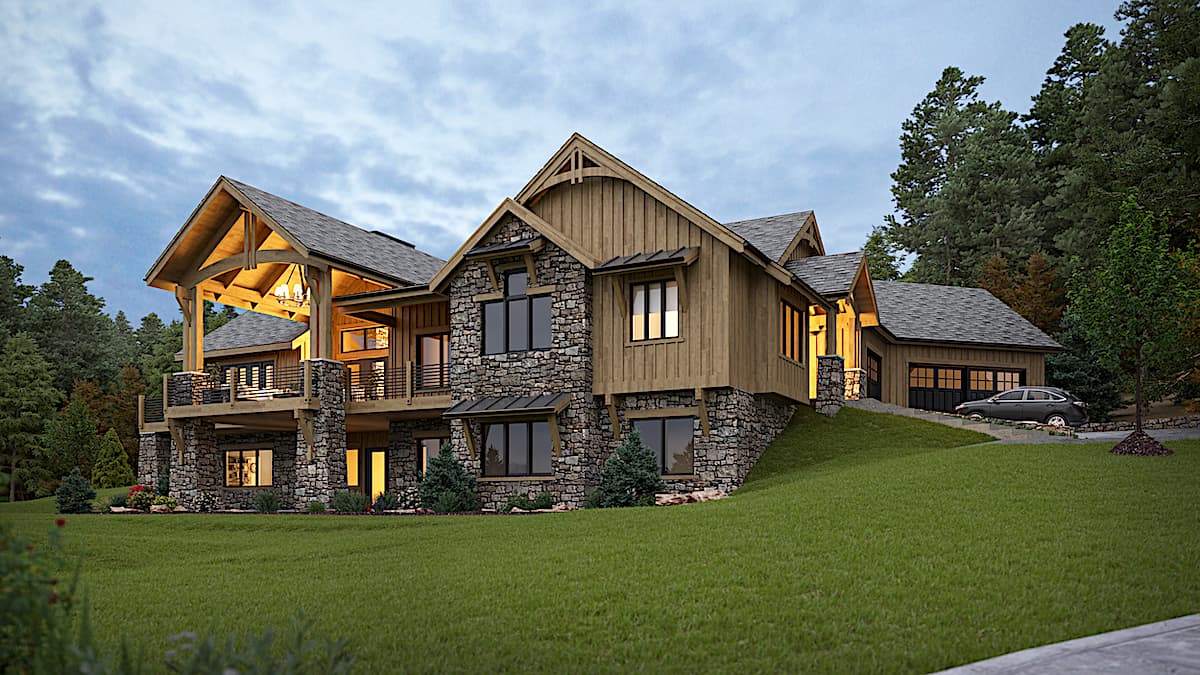
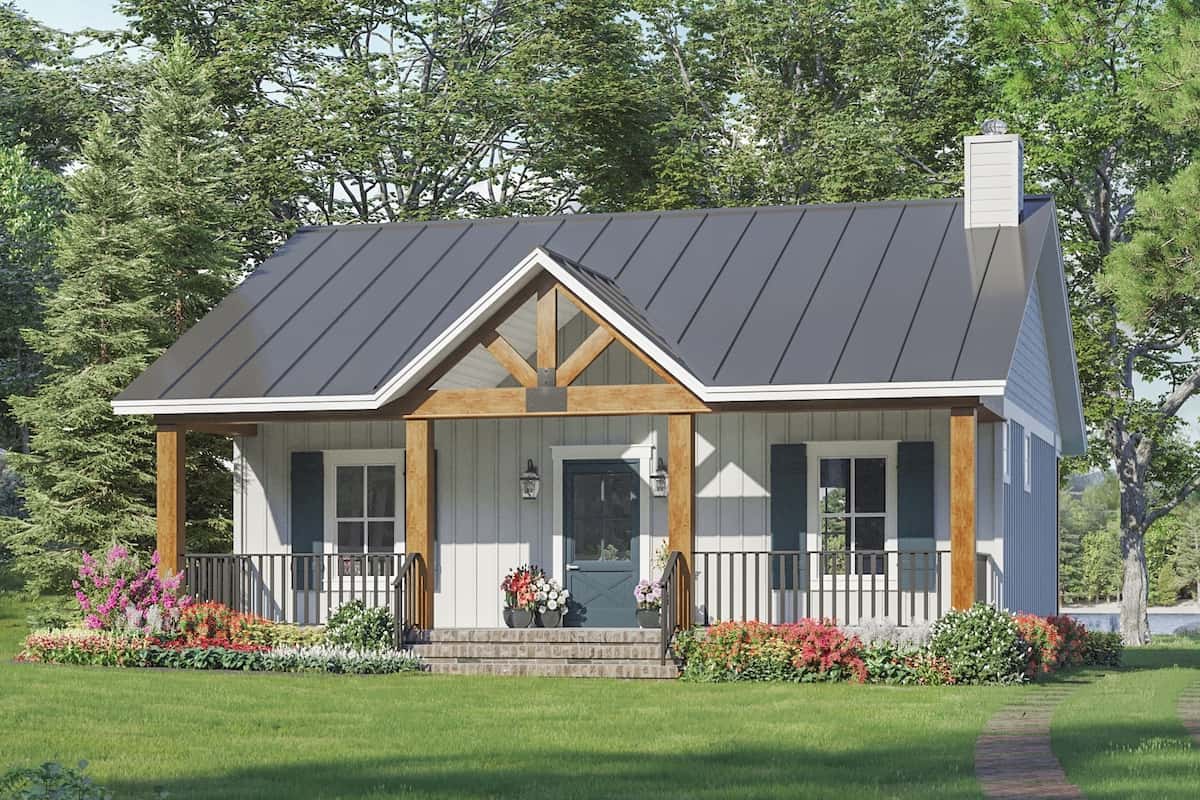
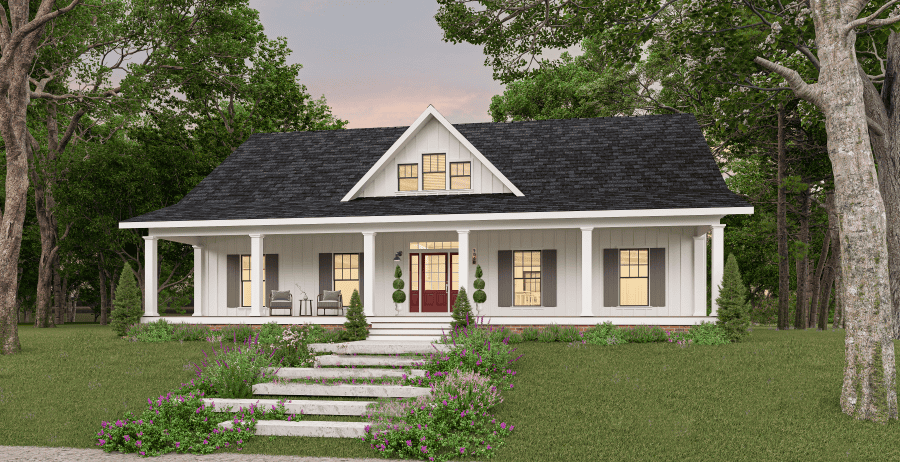


View Lot House Plans Video
The Plan Perspective
What to Look for in a House Design for a View Lot
For Your Ideal Vacation Home: The View’s the Thing Whether it’s located along the Malibu coastline or nestled deep in the woods near your favorite lake, a vacation home can offer a much-needed respite and a welcome change of scenery from your everyday life. But many homeowners looking for vacation house plans and homes find them asking the same question: How do you find the ideal vacation home? The answer: focus on the view. View lot homes allow you to make the most of your natural surroundings by paying special atte