Affordable House Plans & Inexpensive Floor Plans
Affordable house plans are budget-friendly designs that focus on efficient layouts, smart use of space, and straightforward construction, showing that building a remarkable home does not have to cost a fortune. Ideal for first-time buyers, young families, empty nesters, or anyone building on a budget, these inexpensive floor plans deliver comfort and value without unnecessary costs.
What Makes a House Plan Affordable?
Affordability in home design depends less on the price of the plans and more on how efficiently a home can be built. The size of the footprint, structural complexity, and use of space all influence construction costs before building begins.
Lower-cost homes use space efficiently and avoid unnecessary structural complexity. A well-designed, smaller home allows comfortable living without excess square footage, reducing both material and labor costs. Buyers seeking efficient layouts often start with compact home designs that make the most of every square foot while keeping construction practical.
Straightforward design keeps costs predictable. Homes with uncomplicated rooflines, minimal corners, and standard ceiling heights are less expensive to build than those with challenging framing or elaborate features. This is why many homeowners consider ranch house plans, which combine open, practical layouts with simple construction.
Designing for Cost-Efficient Construction
A home's design on paper directly impacts how it will be built. Plans that use standard materials, align structural elements between floors, and avoid unnecessary roof and wall framing complexity help keep time and cost under control.
Depending on where you are in the process, one of the most meaningful ways to reduce home construction costs is by site selection. An existing flat site will significantly reduce the need for bulldozers and backhoes to grade and level the site prior to construction. Not only is the equipment and labor expensive, but a rough building site can easily add unexpected costs. Additionally, a site closer to utility hookups (water, sewer, electricity, cable, gas) will save costs, as the homeowner is responsible for the costs of connecting the house to utilities.
Roof structure is one of the largest cost variables. Simple gable or hip roofs are more economical than designs with multiple peaks, dormers, and intersecting angles. Manufactured trusses can further reduce roof costs. Rectangular or square footprints are easier to build than layouts with many projections, since they add fewer corners to the foundation and framing. Smartly designed two-bedroom house plans show how a comfortable living space can be achieved while keeping costs low.
Foundation decisions also matter. Slab foundations are often the least expensive option in many parts of the country, while crawlspaces and basements may add to the cost depending on site conditions. Choosing a design that aligns with local building practices can help avoid costs later.
Heating and cooling are another long-term factor. Homes with manageable square footage and practical layouts are easier to heat and cool. They require less insulation because of their size and simple designs, making installation easier. Buyers interested in efficient living often explore tiny house plans, where every element is designed to optimize space and material use.
Affordable Home Styles and Layouts
A wide range of architectural styles can be budget-friendly when the underlying design is efficient. Smaller cottages, ranch homes, and simple contemporary layouts are often practical choices because they rely on straightforward construction and compact footprints. Many cottage house plans offer character and livability without excess structural complexity.
For households needing more space, well-planned three-bedroom house plans provide flexibility while keeping construction within reach. Open living areas and practical bedroom arrangements, such as split-bedroom layouts, make these homes feel spacious without significantly increasing the footprint.
Location also influences design. In areas where land costs are higher or lots are narrower, narrow lot house plans use available space efficiently while maintaining comfortable living environments.
Choosing the Right Plan for Your Budget
Selecting a home plan is a balance between design preferences and construction realities. While many plans can be customized, starting with a design that emphasizes a lower-cost approach makes it easier to keep a project within budget.
When comparing options, look beyond square footage. Layout efficiency, roof complexity, and structural simplicity all influence how expensive a home is to build. Often, a thoughtfully designed smaller home provides the same functionality as a larger one while reducing construction and long-term maintenance costs.
Speaking with a local builder early in the planning process provides valuable insight into regional pricing and site considerations. Building costs vary by location and materials, and a builder can help estimate how a design will translate into real-world expenses. Many homeowners also review broader cost guidance, such as this overview of what it costs to build a house when planning their budget.
What Does It Cost to Build an Affordable Home?
The cost of building a home depends on many factors, including location, materials, labor, and site conditions, but the design plays a major role. Plans with smart layouts and straightforward structural elements are less expensive to build than those with complex footprints or elaborate detailing.
Smaller homes, compact two-story designs, and plans based on standard construction methods help keep material and labor costs under control. While building costs vary by region, starting with a practical, efficient plan is one of the most reliable ways to manage expenses and avoid surprises during construction.
A Practical Approach to Building Well
For many years, The Plan Collection has connected homeowners and builders with house designs created by leading architects and designers. The collection includes thousands of plans developed with cost, livability, and buildability in mind.
Choosing the right plan at the start can make a meaningful difference in construction costs and long-term satisfaction. This collection brings together designs that reflect those priorities, offering options for homeowners who want to build carefully and keep costs under control.
Plan Results
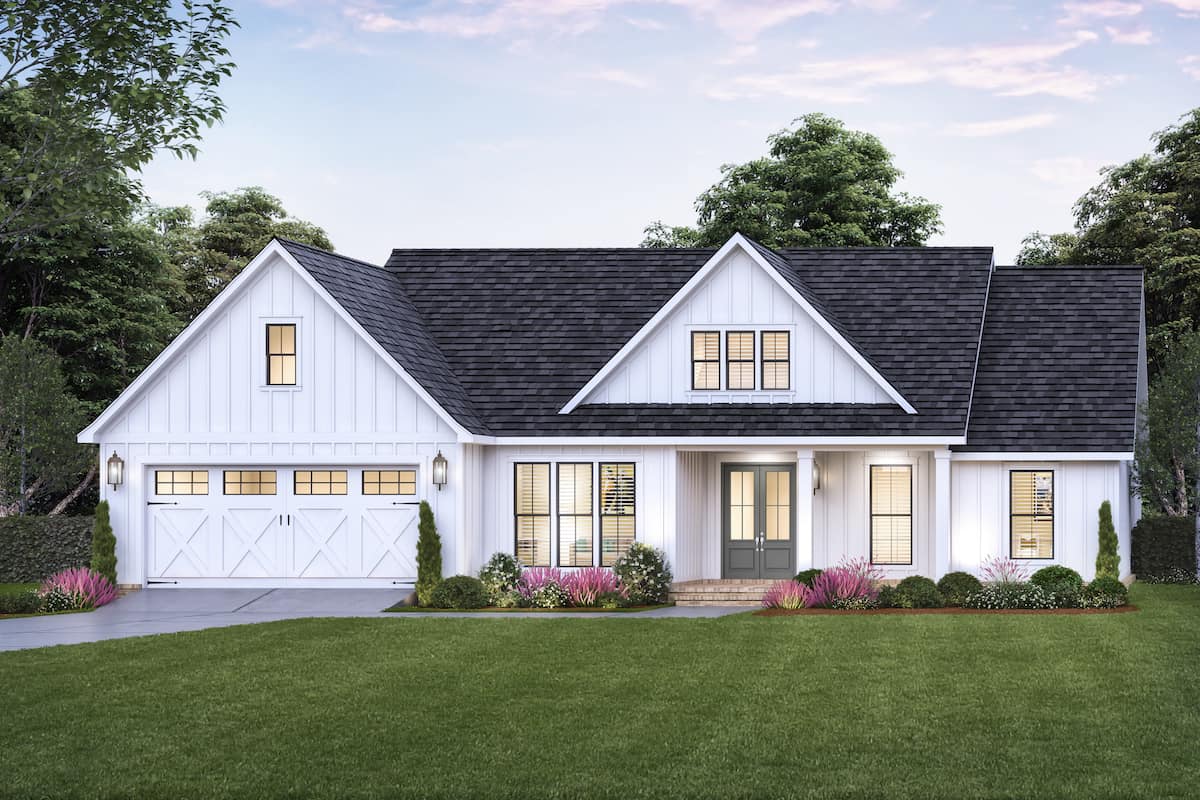
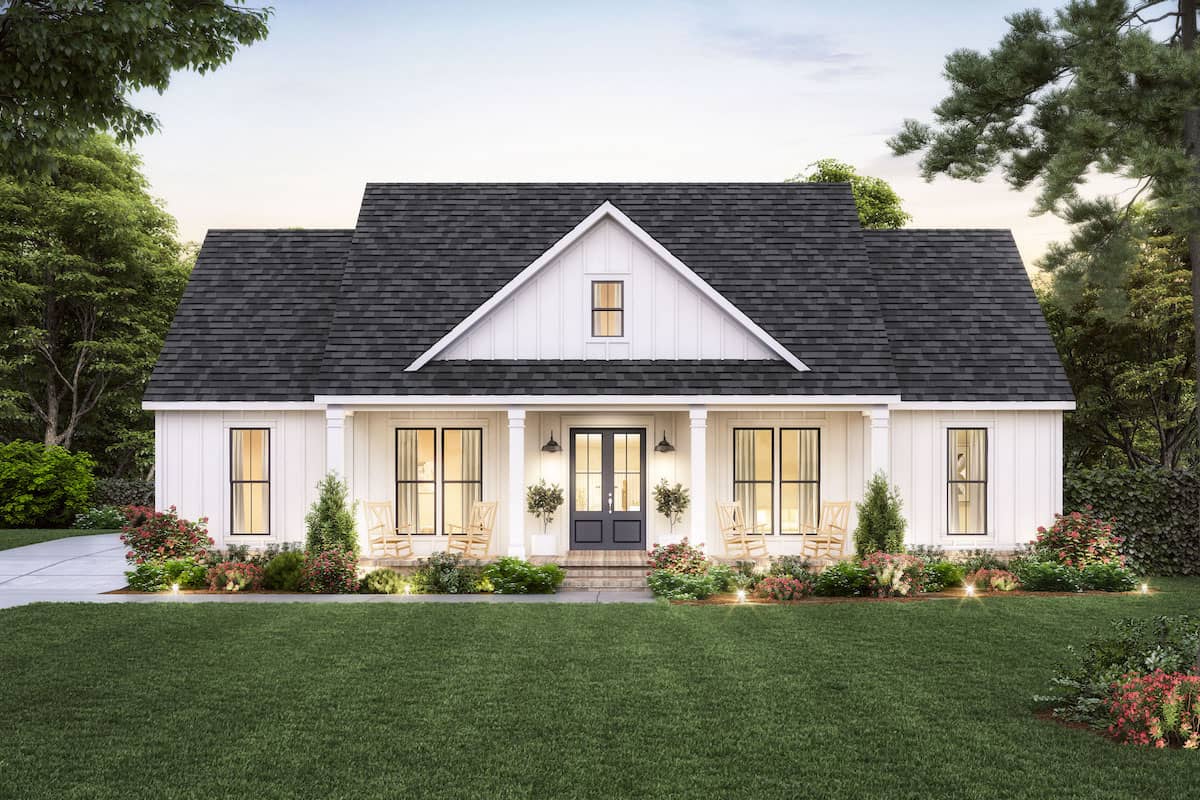
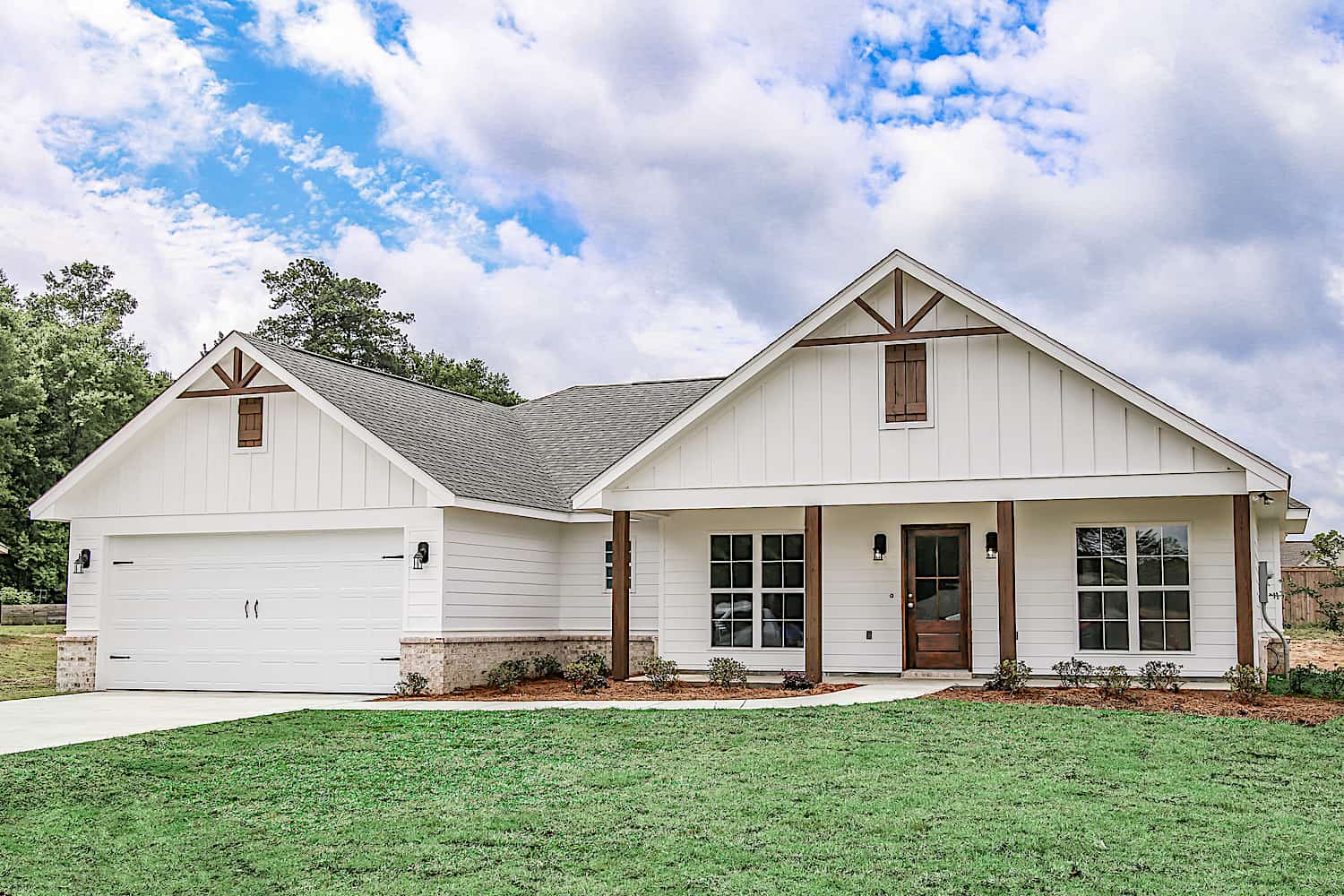

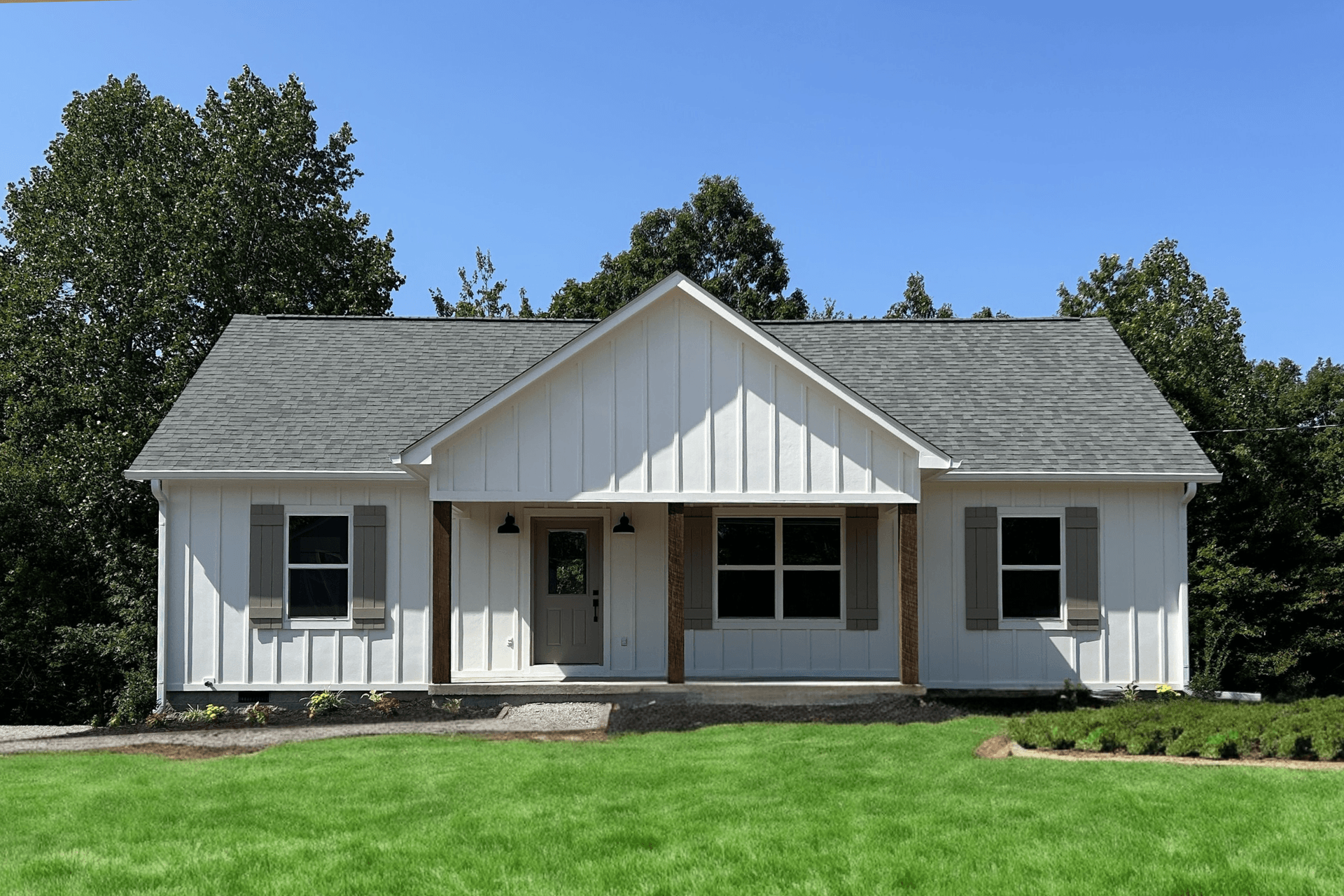

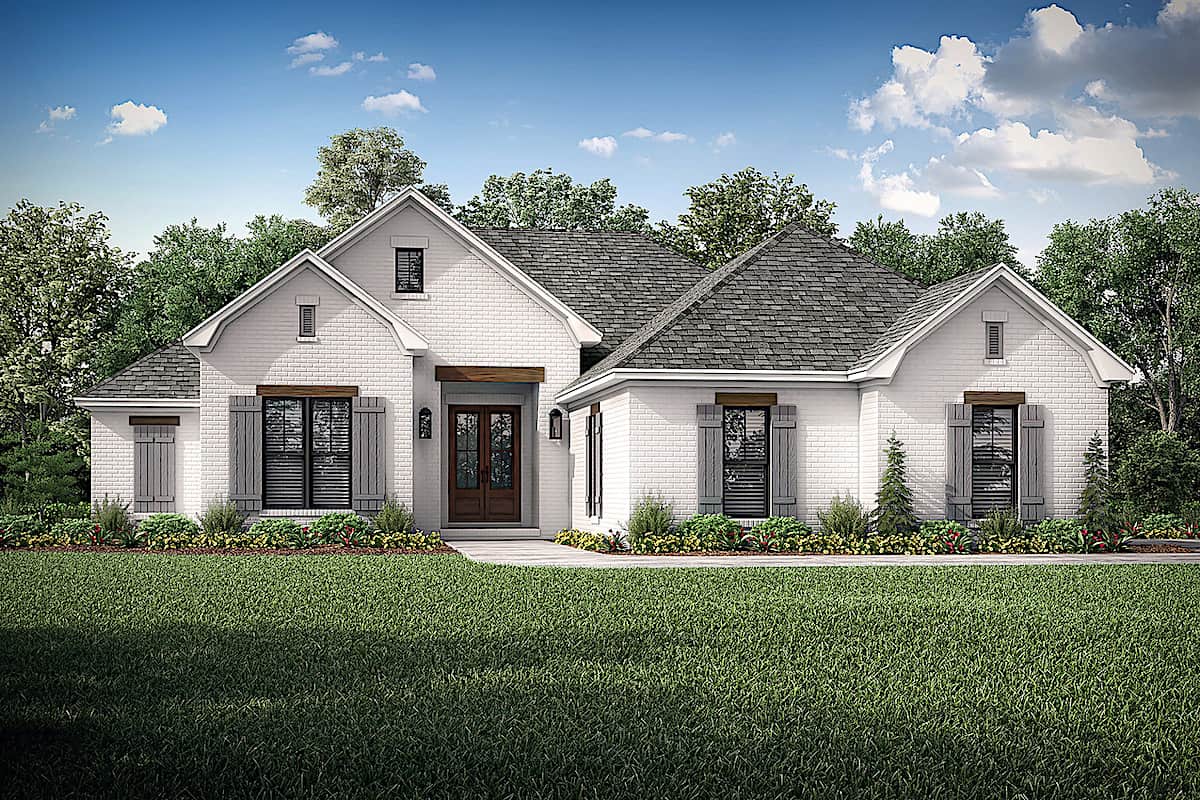
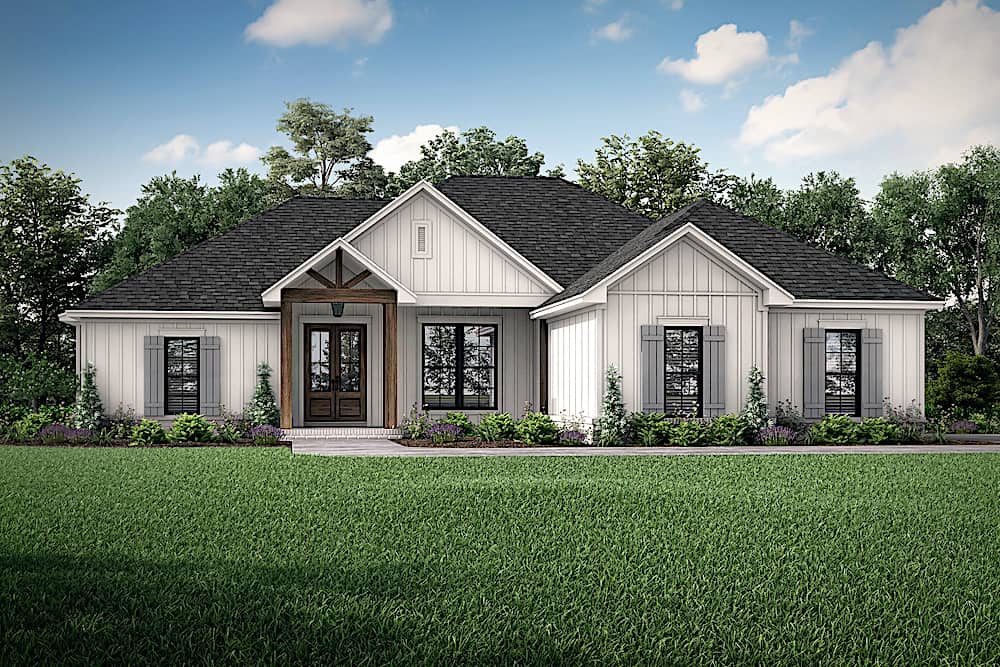
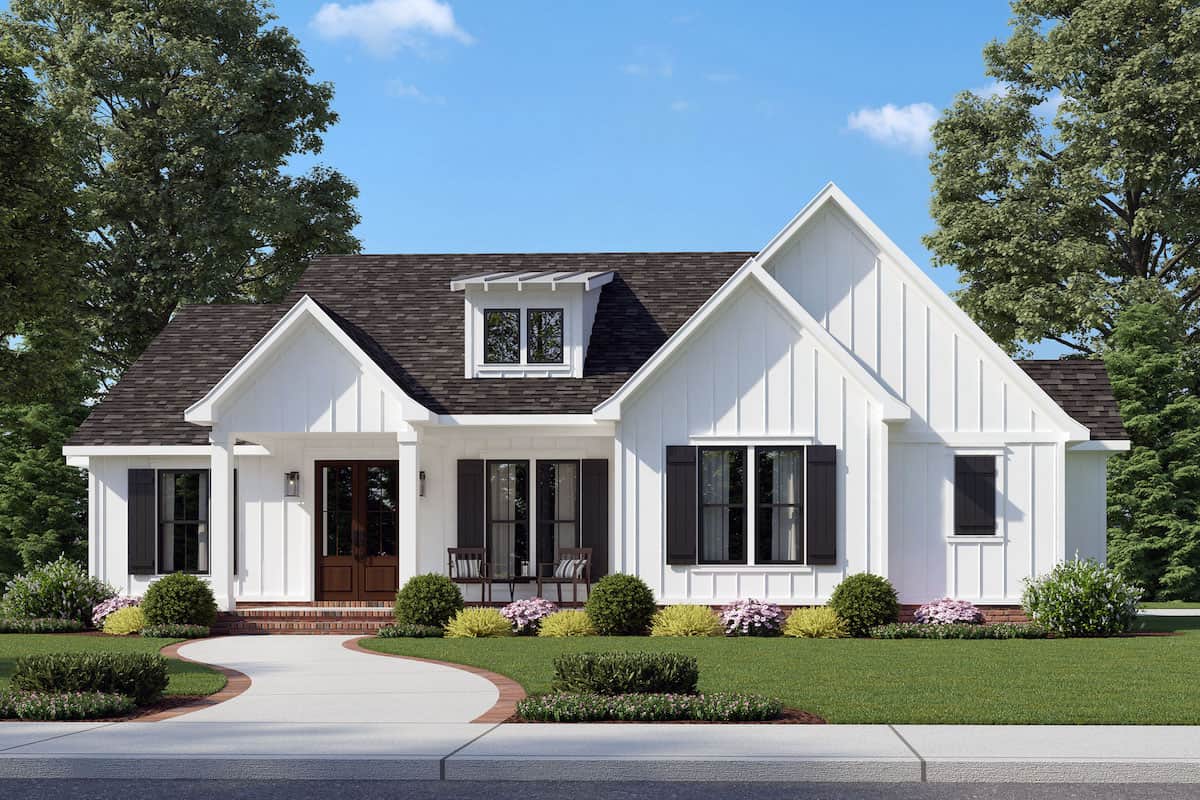
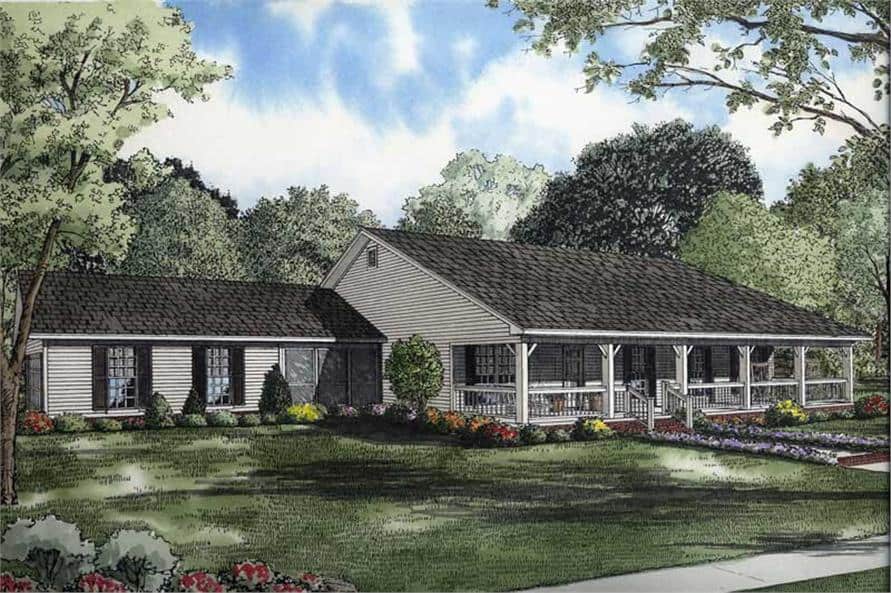
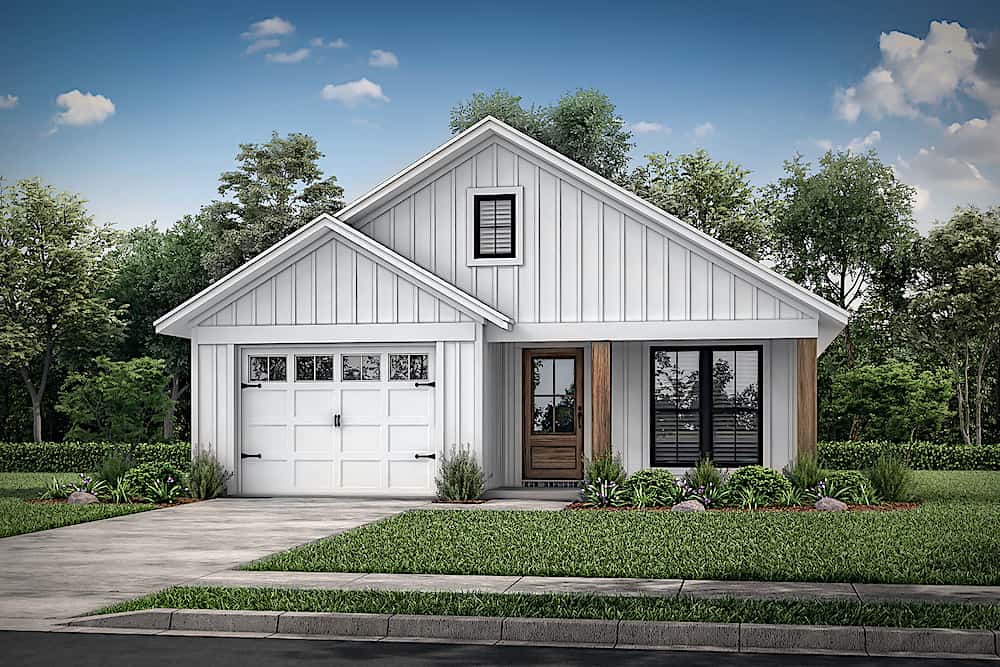
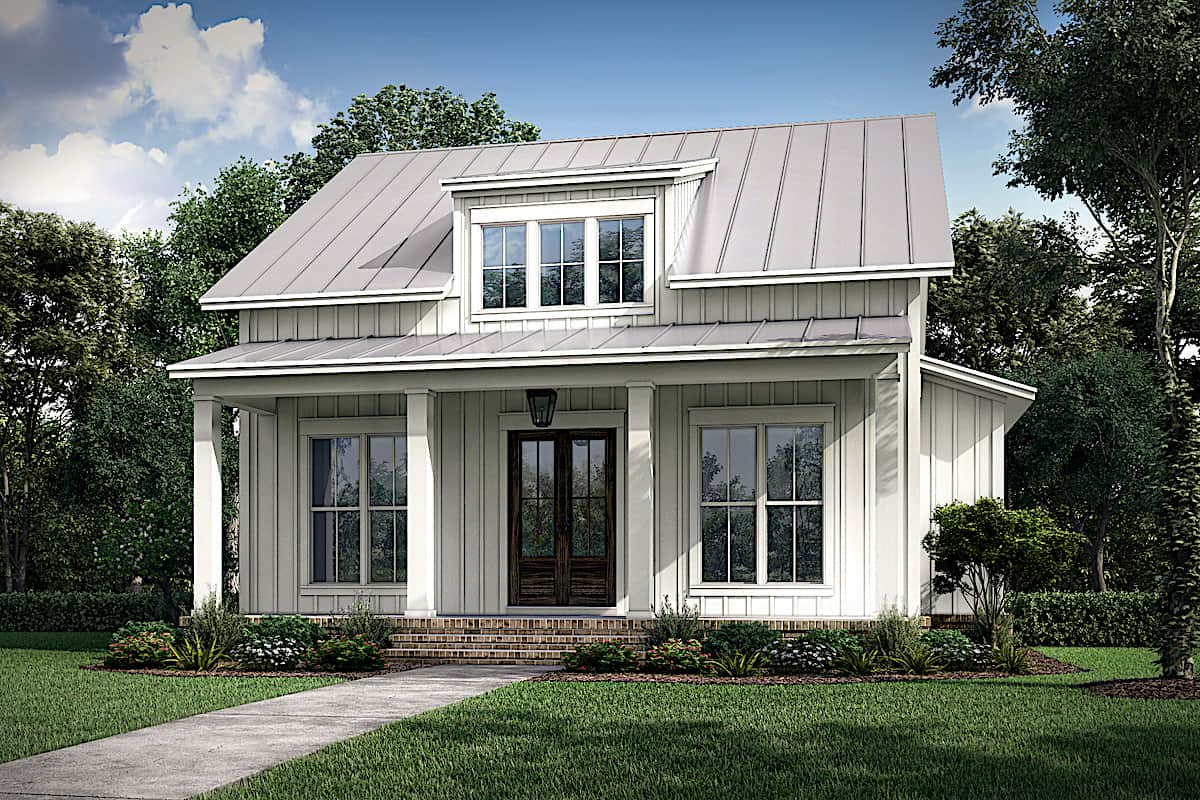


Affordable House Plans Video
The Plan Perspective
What to Look for in Affordable House Designs
Affordable House Design: Simple, Efficient, Practical — and Stylish! With the days of “bigger is better” over, most people are looking for homes with smaller footprints - affordable house designs that are simple, efficient, and practical. And there’s no reason to think that “affordable” translates into unattractive. From a one-story ranch to a two-story country home, affordable house plans can be just as stylish, appealing, and luxurious as those in a posh neighborhood.