Craftsman House Plans
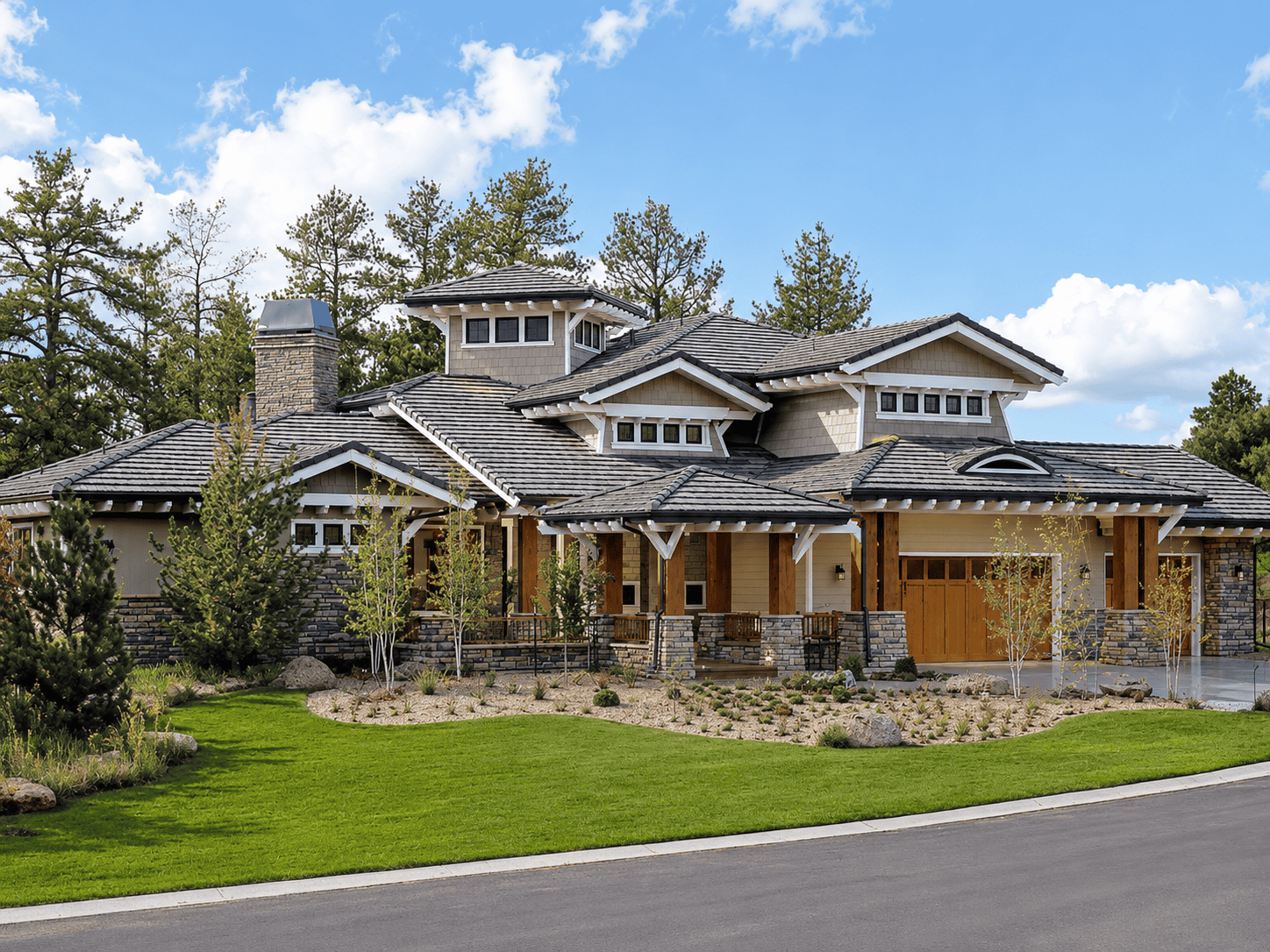
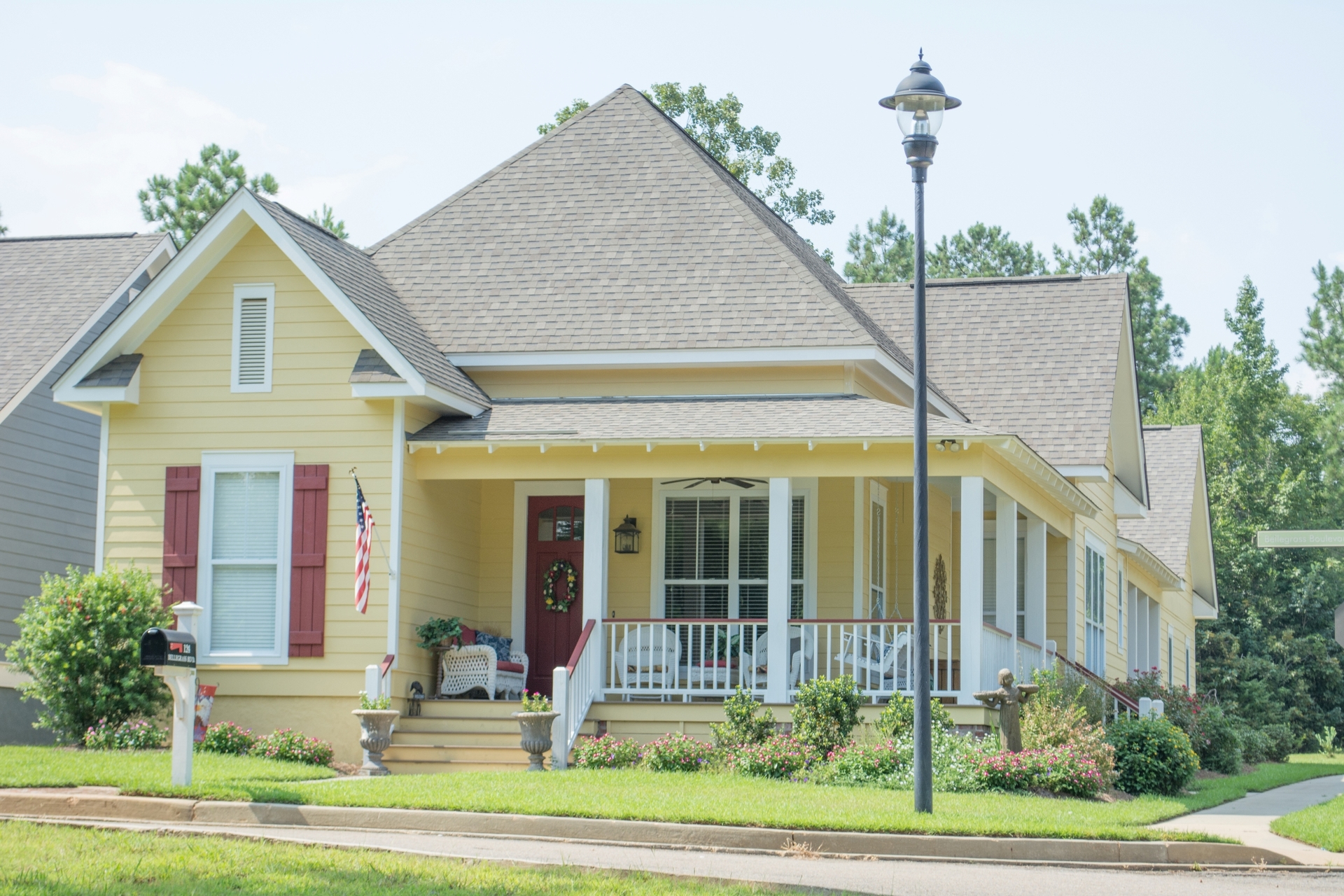
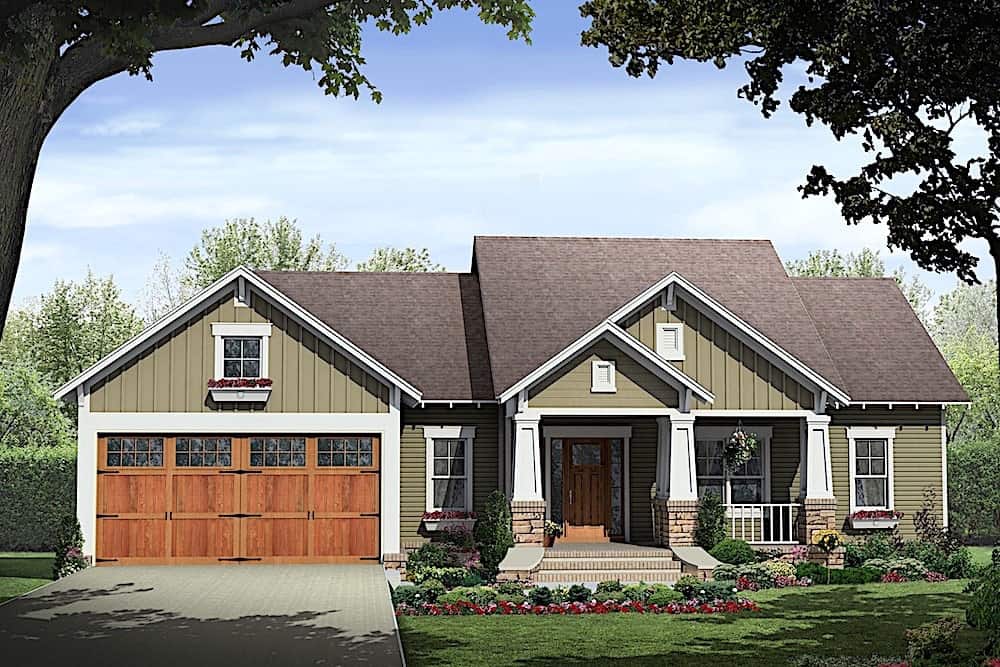
Craftsman house plans are defined by low-pitched gable rooflines, wide eaves with exposed rafters, and front porches supported by tapered columns on masonry piers. Natural exterior materials—wood siding, brick, and stone—are characteristic of the style, which developed from the Arts and Crafts movement of the early twentieth century. In most layouts, the living area runs through the middle of the plan, with a bedroom hallway to one side or bedrooms placed on a second floor
Key Features of Craftsman Style Homes
A few exterior details set Craftsman homes apart from other architectural styles:
- Low-pitched gable rooflines with extended eaves
- Exposed rafters and decorative knee brackets or corbels beneath the overhang
- Wide or deep front porches supported by tapered columns set on masonry piers
- Natural exterior materials, including wood siding, shingles, brick, and stone
- Grouped windows along the front and rear elevations
- Prominent front-facing gables that anchor the main entry
The style is closely related to Arts & Crafts house plans, which share the same emphasis on natural materials and exposed structural detailing.
Architectural Characteristics
Craftsman house plans expose their structural elements rather than concealing them behind finish materials. The roof extends beyond the exterior wall plane, forming wide overhangs where rafter tails and decorative brackets are left exposed rather than covered with fascia board or soffit.
Front porches on Craftsman homes are structural, not decorative. The columns bear the roof load and are set on masonry piers rather than resting on a deck surface. Porch depth varies by plan — shallower on narrower lots, deeper where the lot allows.
Exterior materials layer across the facade—heavier masonry at the base, lighter wood siding or shingles above—following the Arts & Crafts principle of honest material expression. Windows are grouped in pairs with their casings wide and square.
Exterior Design and Window Placement
The front elevation of a Craftsman home is organized around the porch roofline and the primary gable above the entry. Front-facing gables draw the eye toward the center of the facade, while the covered porch extends the composition horizontally across the front of the home.
The horizontal emphasis carries through to window placement. Windows appear in pairs or small groupings along both the front and rear elevations, with wide casings and minimal trim detail. Along the rear elevation, grouped windows are common in plans where the living area faces the back of the lot—a factor worth checking against lot orientation before purchase.
Some Craftsman designs share exterior proportions with bungalow house plans and prairie house plans, particularly in the low roof pitch and the treatment of the eave line.
Craftsman Floor Plan Layouts
In most traditional Craftsman floor plans, the front door opens directly from the porch into the living room. The kitchen and dining area extend toward the rear, so the home reads as a single path from entry to back, with no dead ends or wasted hallway.
Current Craftsman designs often open the kitchen, dining area, and living room into a single shared space. In the 1,500 to 2,500 square foot range, this eliminates the separate formal dining room and living room that earlier plans kept divided. Buyers searching by size often browse house plans from 1,500 to 2,000 square feet or house plans from 2,000 to 2,500 square feet to narrow the range.
On single-story plans, bedrooms run along a hallway on the opposite side of the home from the main living area. Two-story versions move the bedrooms upstairs entirely. Three- and four-bedroom layouts are the most common, with the primary suite at one end of the bedroom hallway, away from the secondary rooms. Compact one-story layouts—sometimes called small Craftsman house plans or Craftsman bungalow house plans—typically range from 1,000 to 1,800 square feet and suit narrower lots well. Most designs correspond to 3 bedroom house plans or 4 bedroom house plans, depending on the overall square footage.
Modern Craftsman House Plans
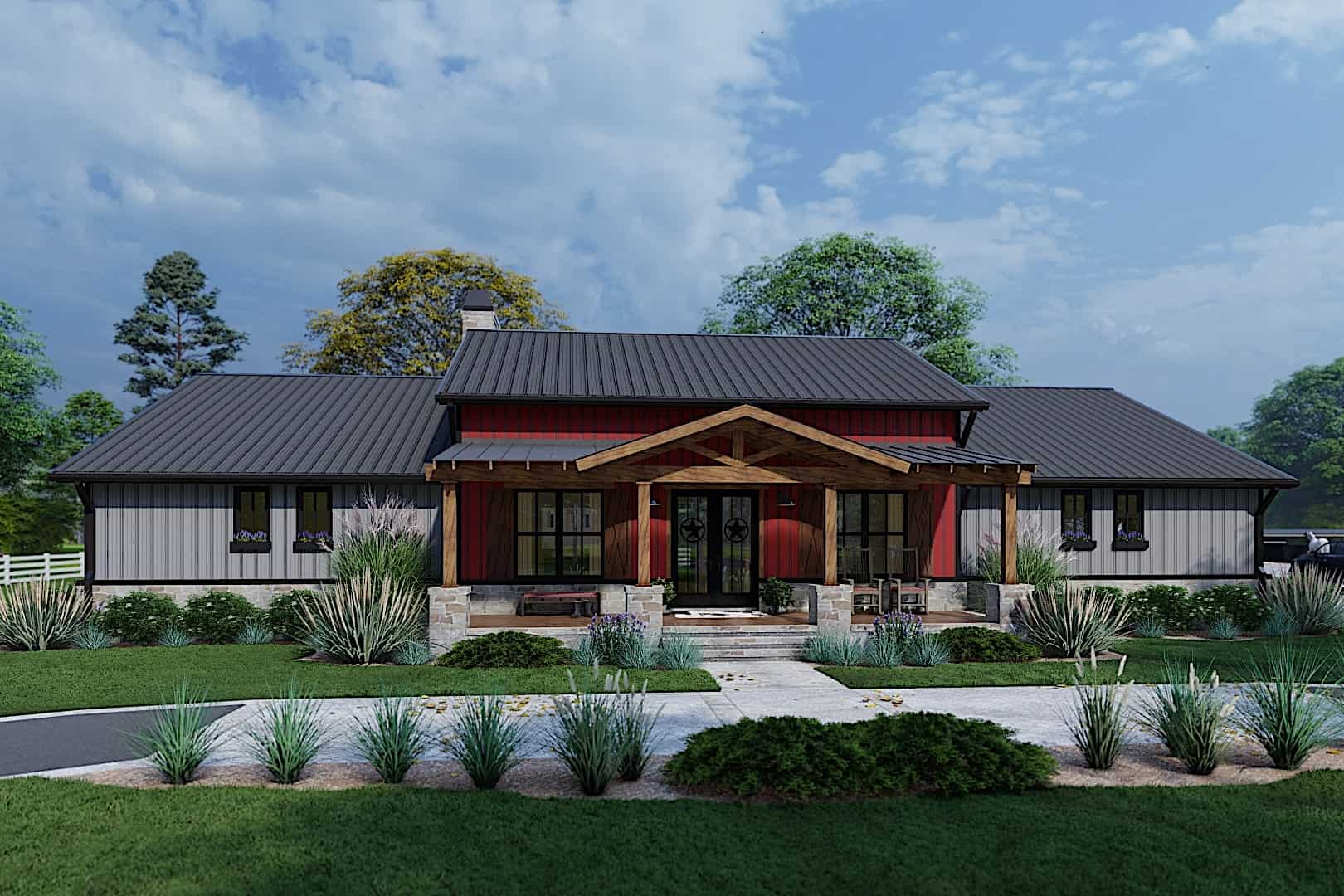
Modern Craftsman house plans preserve the street-facing character of the traditional style while reorganizing the interior.
The primary changes appear inside the home. Kitchens are larger and more open, frequently positioned at the rear of the plan with extended counter space and direct access to a dining area or great room. Primary suites are larger than in traditional versions, with bigger closets and dedicated bath areas. In a one-story plan, the layout typically features a split-bedroom arrangement, with the primary suite on one side and the additional bedrooms on the other. The garage has also changed. Earlier Craftsman homes often had a detached garage or none at all, while most current designs include an attached two- or three-car garage.
Seen from the street, the roofline, porch structure, and materials look essentially unchanged from early twentieth-century Craftsman homes.
Lot and Construction Considerations
These plans work across a range of lot configurations, though the proportions of the front elevation—porch width, gable placement, and garage position—are affected by available lot width.
Lot width: Most Craftsman plans need a minimum lot width of 60 to 75 feet. A narrower lot will usually force a shallower porch or a different garage position. In those cases, a single-story Craftsman ranch or compact bungalow layout is often the better fit. Side-entry garage designs need extra width beyond that; the driveway has to run along the side of the home rather than straight in from the street.
Foundation types: Craftsman plans are constructed with slab, crawl space, and full basement foundations. However, regional building practices vary. Slab foundations are common in the South, while Craftsman house plans with a basement are more frequently specified in the Midwest and the Northeast. A basement foundation raises the finished floor, which changes the porch step count and the visual relationship between the home and the street.
Garage placement: Most Craftsman designs place the garage on the side elevation so the porch and front gable remain the focus of the street-facing facade. Front-entry garages are an option, but the garage door must be sized carefully. On a standard Craftsman elevation, a wide front-entry garage door can easily become the most prominent feature of the front of the house.
Roof structure: The low-pitched gable roof is one of the first things a builder will price carefully. Wide eaves add roof surface area, which affects both sheathing and trim costs. In regions with heavy snow or high wind, local codes will set minimum rafter sizing and roof load standards.
Buyers focused on porch-forward designs may also find relevant options within house plans with porches.
Frequently Asked Questions
What is a Craftsman style home?
A Craftsman house plan is a residential style defined by a low-pitched gable roof, wide eaves with exposed rafters, and a covered front porch. The exterior reads as a composition of natural materials and visible structural elements rather than applied decoration.
What are modern Craftsman house plans?
The exterior stays close to the traditional style, with roofline proportions, porch structure, and natural materials largely unchanged. It is inside where there are significant changes, principally to adapt to how we live today. These changes include open living areas, larger kitchens, expanded primary suites, and attached garages.
What is the difference between a Craftsman and a bungalow?
A bungalow is a specific house form, typically single-story or story-and-a-half, while Craftsman describes an architectural style. Many bungalows are built in the Craftsman style, which is why the terms are often used together. The style, however, includes two-story and larger designs that are not bungalows.
Do Craftsman style homes typically have open floor plans?
Many current Craftsman style homes feature open floor plan layouts with the kitchen, dining space, and living room sharing a single continuous space. Traditional Craftsman plans were more compartmentalized, with defined rooms for dining and living.
Are Craftsman homes usually one story or two?
Both. One-story and 1.5-story layouts are the traditional form—compact in footprint and often called Craftsman bungalows. Single story Craftsman house plans are the most searched format and suit standard suburban lots well. Two-story configurations are common in plans with four or more bedrooms, where the second floor carries the additional sleeping area while keeping the ground-floor plan manageable. Both formats are well represented in the collection.
Craftsman house plans span a wide range of sizes, from single-story bungalow layouts under 1,500 square feet to two-story homes with four or more bedrooms and attached three-car garages. The exterior details—low-pitched rooflines, covered porches, exposed rafter tails—carry through across the size range. Use the filters to sort by square footage, bedroom count, foundation type, and garage configuration.
Plan Results
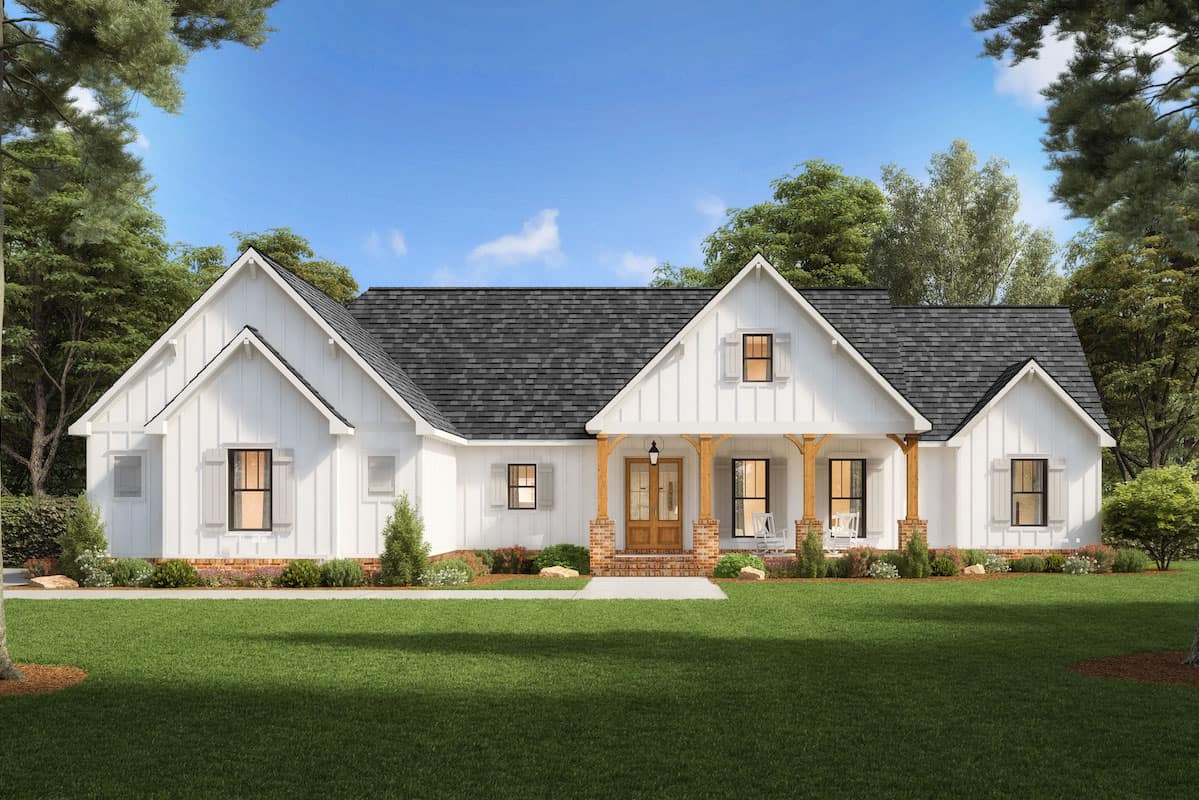
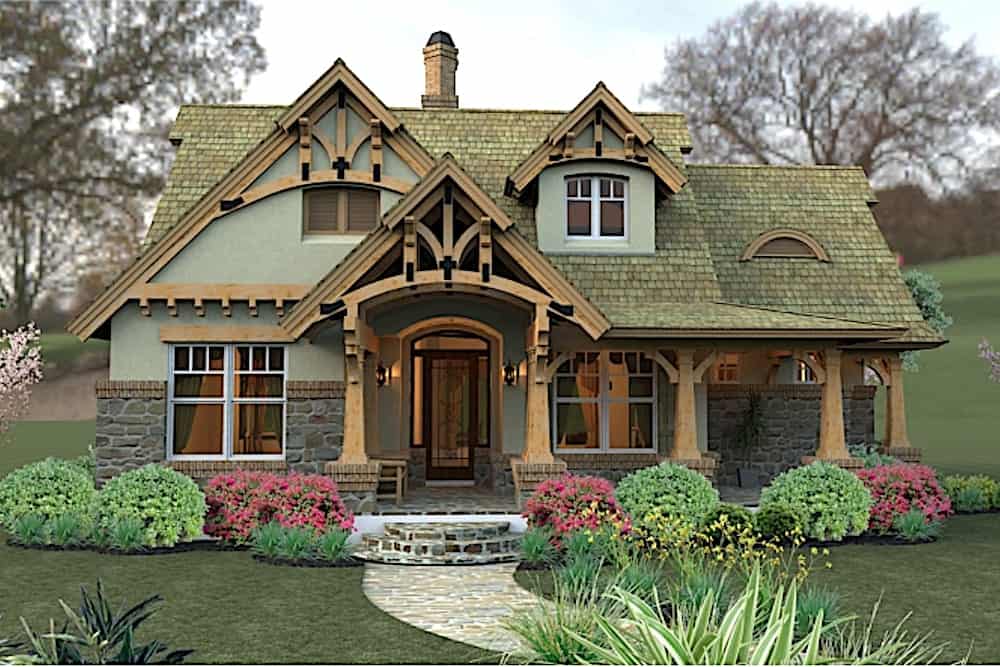

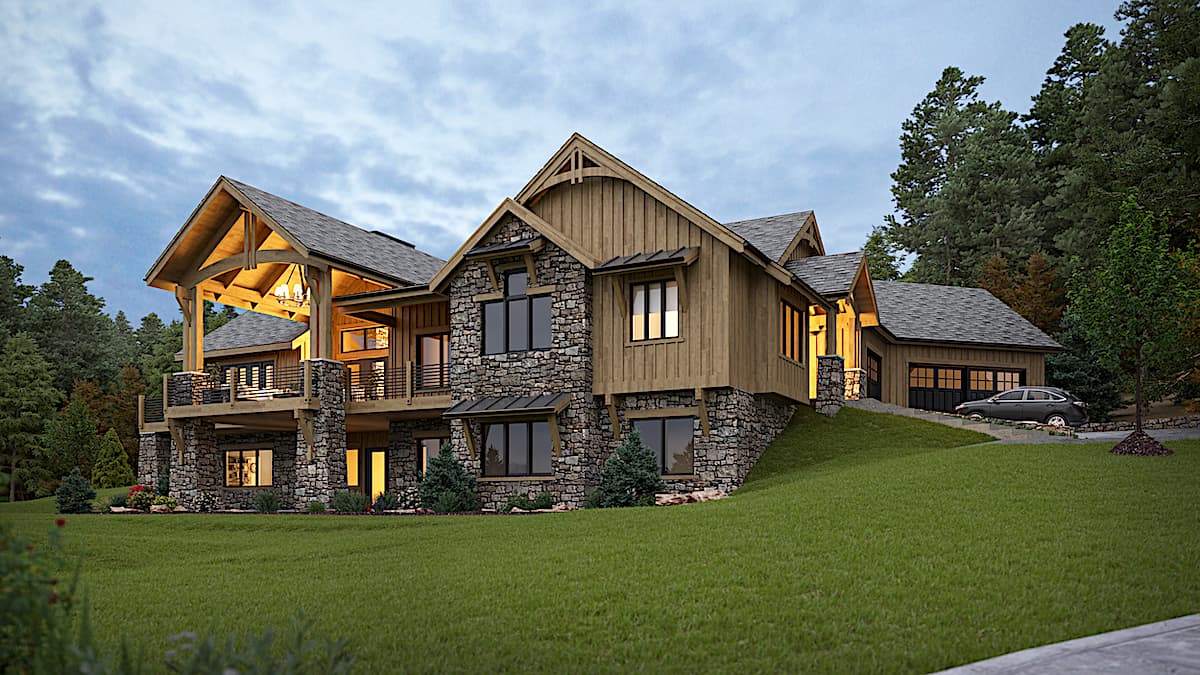
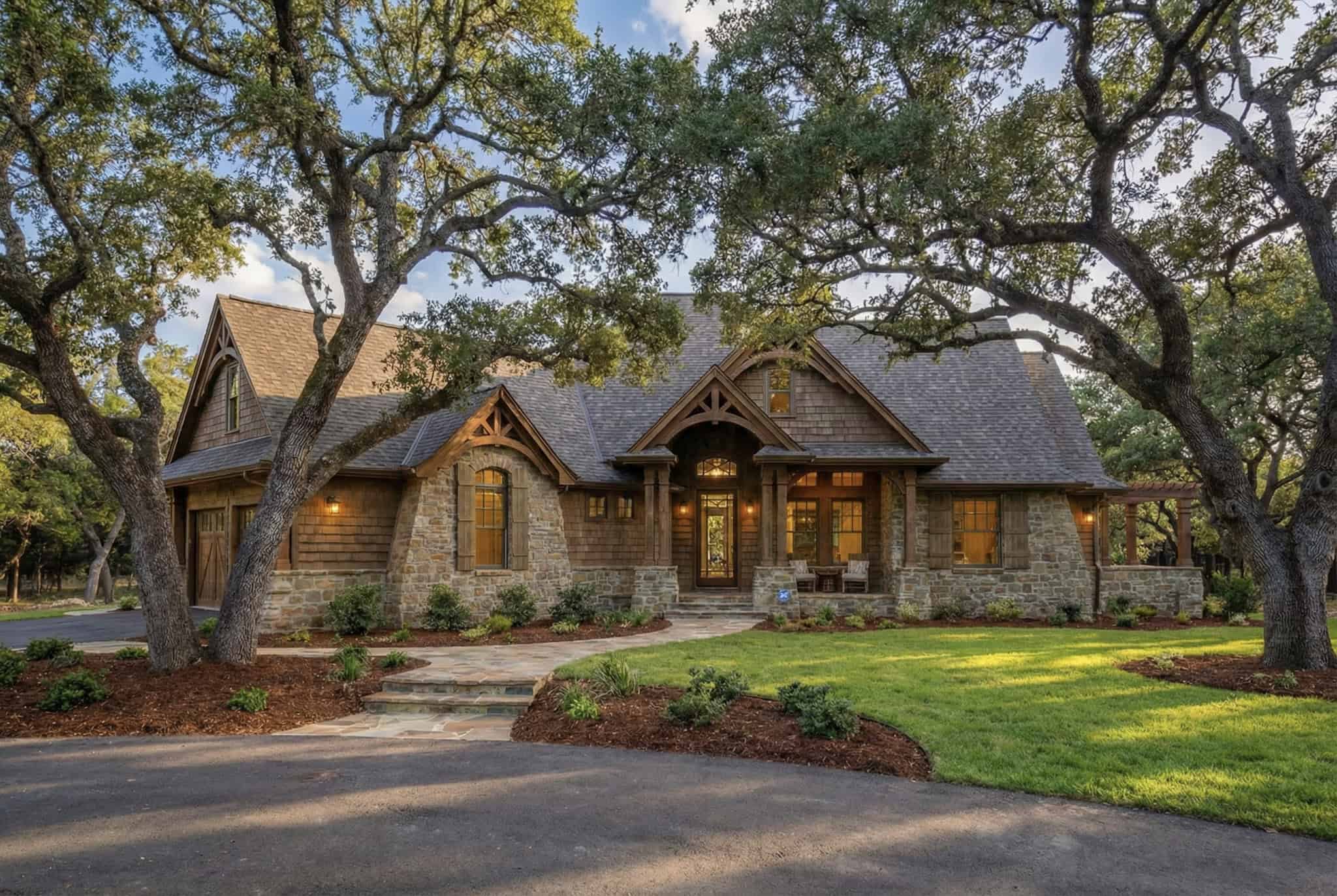

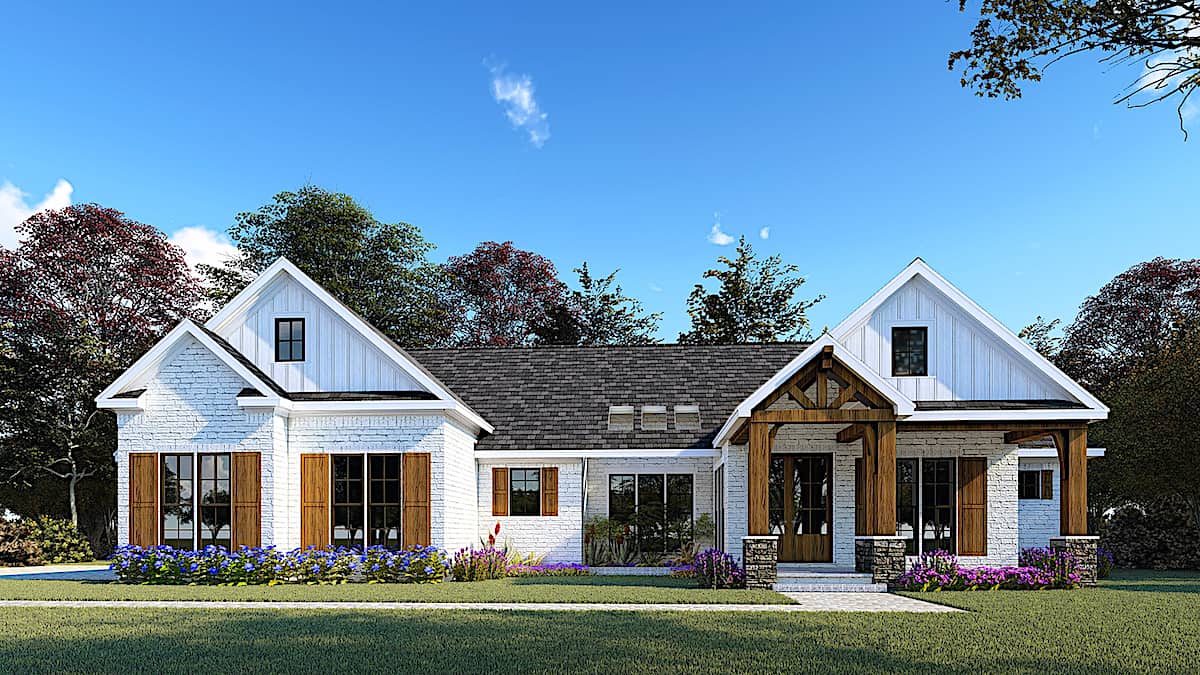
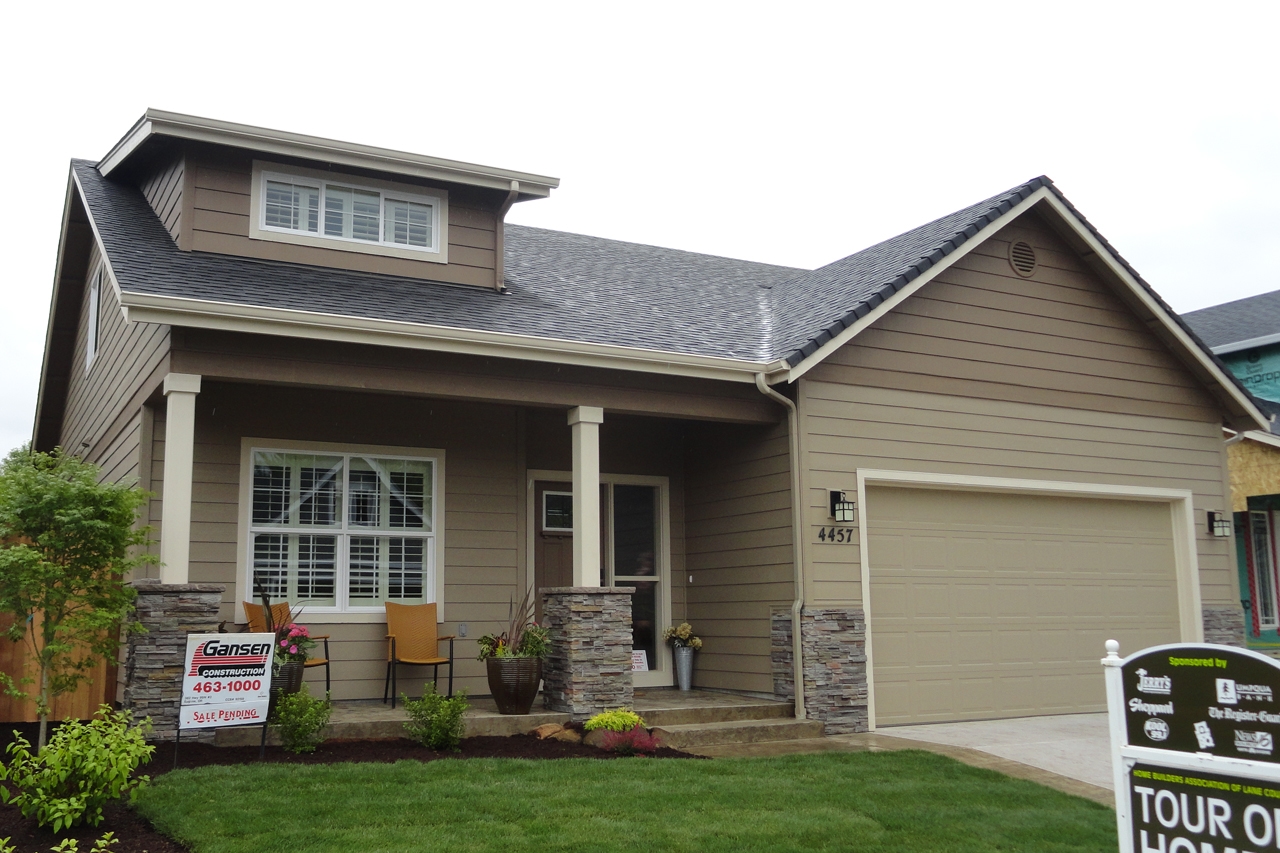
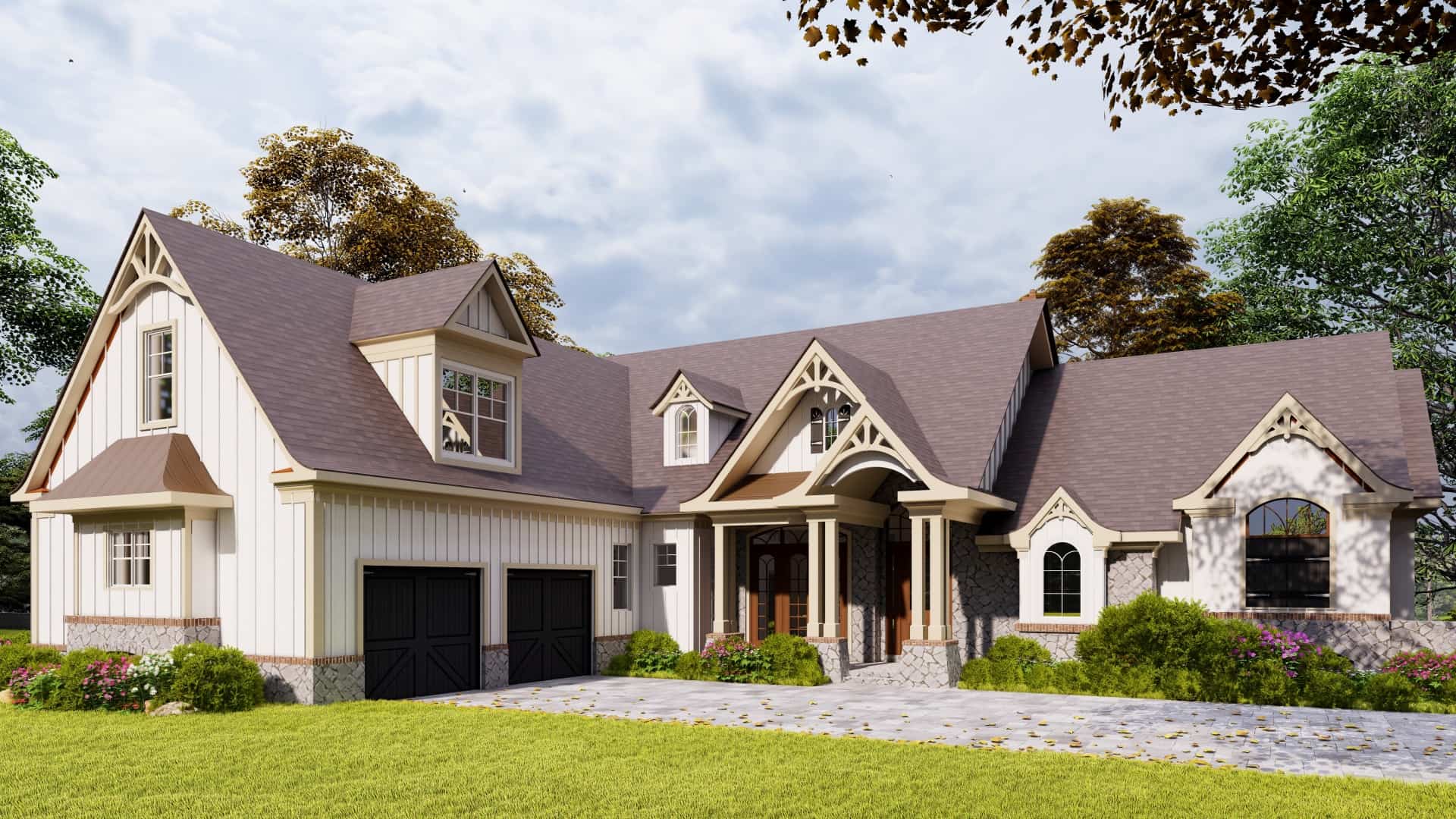
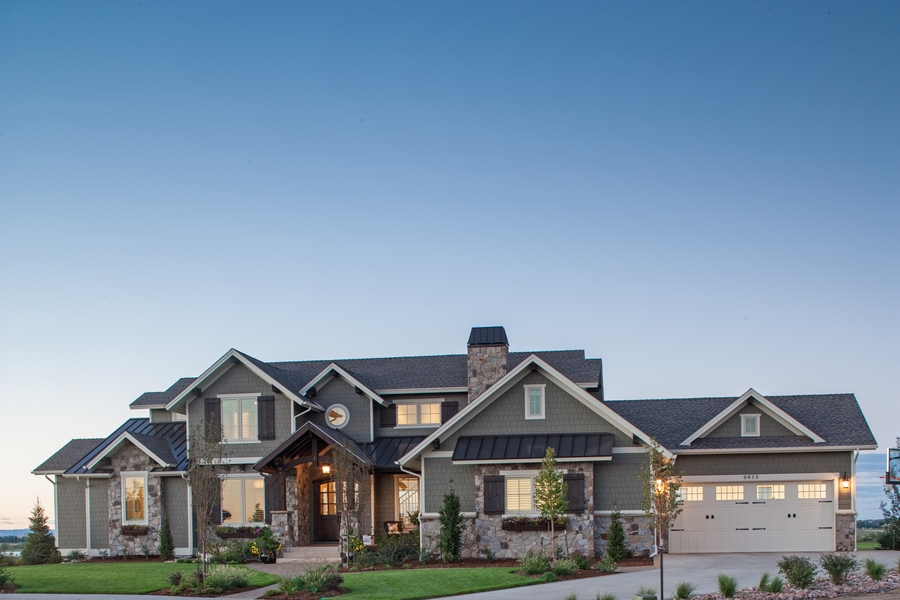




Craftsman House Plans Video
The Plan Perspective
What is a Craftsman House? 15 Features to Look For
While the American Craftsman style home initially came out of the British Arts and Crafts movement, U.S. architects and designers quickly embraced it and added design elements and floor plan features desired by a growing middle class of American homeowners. A number of these innovative features – such as the breakfast nook – have been adopted in some fashion by many American architectural styles. Definition of the Craftsman House Style The first Craftsman homes were often no more than a few spacious rooms accented by beautiful