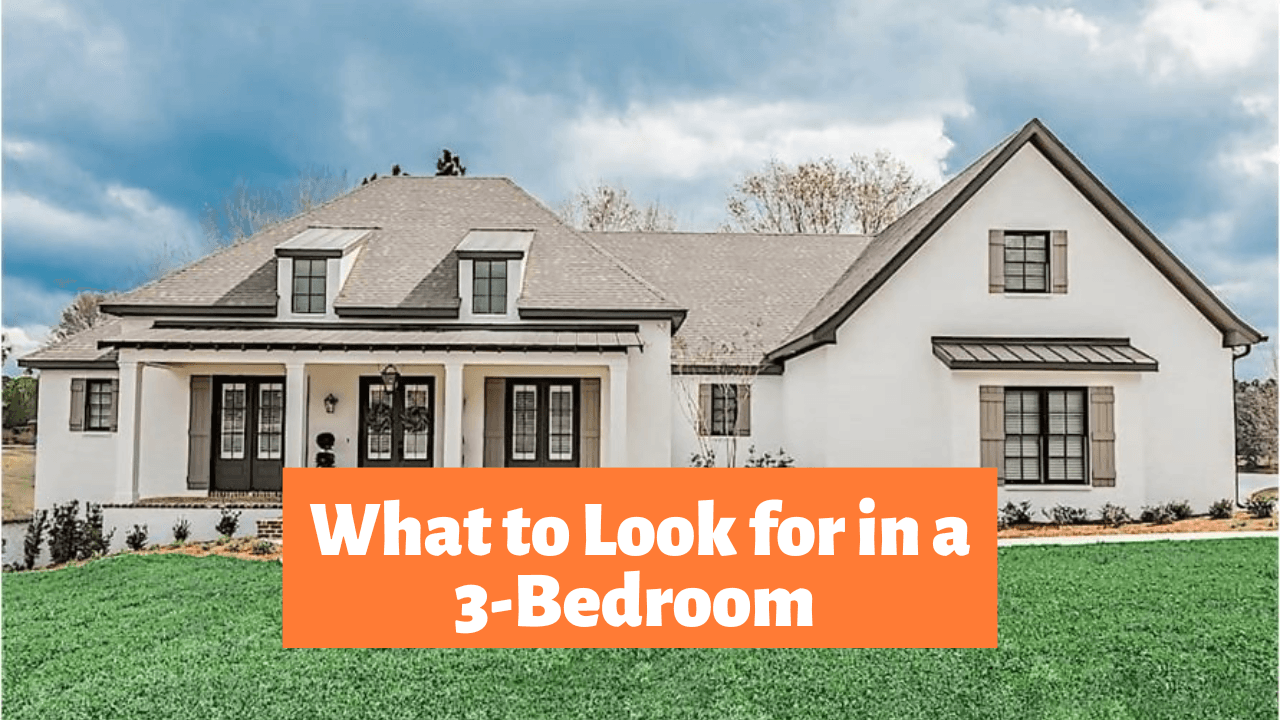
Building on Slab vs. Crawl Space vs. Basement? Advantages & Disadvantages

Building on Slab vs. Crawl Space vs. Basement: A Rundown on Advantages and Disadvantages
There are many issues to consider when choosing between a basement, crawl space, or slab foundation for your new home. In many parts of the country, full basements are the norm, while in others slab foundations or crawl spaces are more common. Climate, soil conditions, and local building practices all play a role, but one often factor that often gets overlooked is this:
What do your neighbors have?
If you plan to build a home with a crawl space in an area where most homes have basements, your house may be harder to sell unless you are prepared to adjust the price. This is largely a value-perception issue. Many buyers feel that a full basement adds flexibility and long-term value, even if it is used only for storage at first. The potential to finish a basement later and add living space is often viewed as a major advantage.
At a glance, here’s how slab, crawl space, and basement foundations compare in terms of cost, construction, and long-term use.
|
Feature |
Slab |
Crawl Space |
Basement |
|
Cost |
Lowest |
Moderate |
Highest |
|
Build Time |
Fast |
Moderate |
Long |
|
Extra Space |
None |
Limited |
Significant |
|
Utility Access |
Limited |
Easy |
Easy |
|
Maintenance |
Low |
Moderate |
Higher |
|
Best For |
Warm climates |
Moderate climates |
Cold climates |
Below, we’ll take a look at each foundation type and where it tends to make the most sense.
Basement Foundations: Space, Comfort, and Long-Term Value
Basement foundations tend to be cooler than the rest of the house, which can be an advantage in warmer climates. They add value to a home by providing additional space, whether finished or unfinished. Homeowners often use basements as family rooms, workshops, hobby areas, or storage spaces.
Basements are typically the most expensive foundation option because the footings and foundation walls must extend below the frost line. Excavation costs, especially in rocky areas, can significantly increase the overall budget. In some locations, installing a basement may be impractical without extensive and costly rock removal.
Proper drainage and waterproofing are essential. Water intrusion is one of the biggest concerns with basements, and addressing it correctly during construction is far less expensive than fixing problems later.
For a more detailed look, refer to our comprehensive guide on the advantages and disadvantages of basement foundations.
Crawl Space Foundations: Access and Flexibility with Tradeoffs
Crawl spaces fall somewhere between slabs and basements in terms of cost and functionality. They raise the home slightly above ground, allowing space underneath for plumbing, electrical, and HVAC systems.
Crawl space foundations must be well insulated and protected from the elements, especially in colder climates. In warmer regions, crawl spaces are sometimes semi-open, which can create conditions where moisture, mold, and pests accumulate. Moisture problems in crawl spaces have been linked to indoor air quality concerns and may aggravate certain health conditions.
As with basements, drainage is critical. Poor moisture control can lead to long-term structural and maintenance problems.
From a resale standpoint, homes with crawl spaces may be less attractive in neighborhoods where full basements are the standard. Buyers often compare foundation types directly when evaluating similar homes.
If you need a lot of storage or plan to use a basement workspace, a crawl space or slab foundation may not meet your needs.
To explore this option in more depth, visit our article on crawl space foundation advantages and tradeoffs.
Slab Foundations: Simplicity and Efficiency
Slab foundations are very popular in warm climates and in areas where rocky soil makes excavation difficult or costly. Because there is no space below the home, all wiring and plumbing must be routed through the walls or ceilings. Mechanical systems like furnaces and water heaters must be located within the living space.
In slab homes, water pipes often run through attics or interior walls and must be properly insulated, especially in regions that experience occasional cold weather.
One major advantage of slab foundations is that there is little opportunity for water intrusion or outside gases to enter the home, which can contribute to a healthier indoor environment. Slab homes are also typically lower to the ground and require fewer steps, making them appealing for older homeowners or anyone who prefers single-level living with minimal elevation changes.
Slab foundations are not without disadvantages. Cracks can lead to long-term problems and are often more difficult and expensive to repair than issues in crawl spaces or basements. Soil movement, expansive clay, and tree roots can all contribute to slab cracking over time.
Slab homes may also be more prone to insect problems, as there is no buffer space between the ground and the structure.
For a closer look at the benefits and limitations, see our guide to building on a slab foundation.
Which Foundation Is Right for You?
There is no one-size-fits-all answer. The right foundation depends on:
- Local climate and frost depth
- Soil and rock conditions
- Neighborhood norms and resale expectations in your area
- Budget and construction costs
- How you plan to use the space long-term
Choosing the right foundation early in the planning process can save money, reduce maintenance issues, and improve your home’s long-term value.
Plan Results
OR ENTER A PLAN #
Blog Resources
Home Design & Floor Plans
Home Building
Architectural Styles/Architecture