Latest Stories

Planning to build a new home from house plans or just want a fresh decor? The new year is a great time to think about decorating! Though you may have some ideas about home design trends – what’s hot and what’s not – here’s a look at what’s definitely out in 2016.

Many people use the laundry room every day—sometimes multiple times a day. Rather than leaving it a cluttered mess of detergent bottles and dirty clothes, transform it into a functional thing of beauty. Our tips for outfitting a laundry room help you turn the it around in no time.
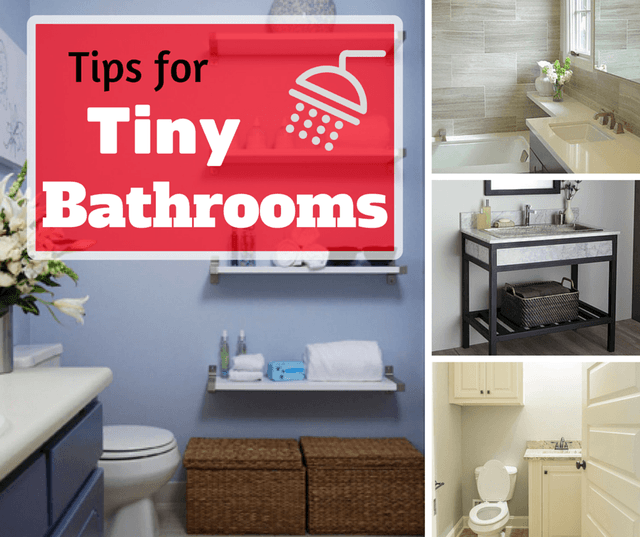
These days, tiny home plans are all the rage, especially among younger families and Millennials. With a tiny house – or any home for that matter – you may have a tiny bathroom. We have some great ideas to help you make the most of the limited space you have!
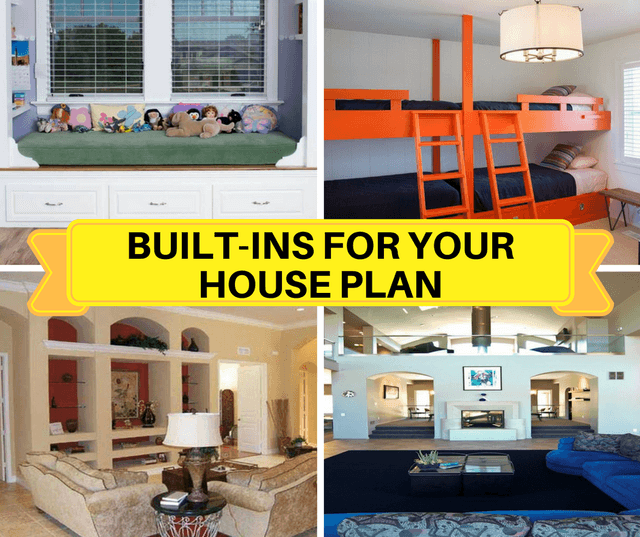
Perhaps one of the most popular and stylish architectural elements in home interiors, built-ins not only provide much coveted storage space but also add character and appeal to the overall design. With a variety of wonderful built-in options at their fingertips, today’s homeowners are exploring fashionable ways to get organized.
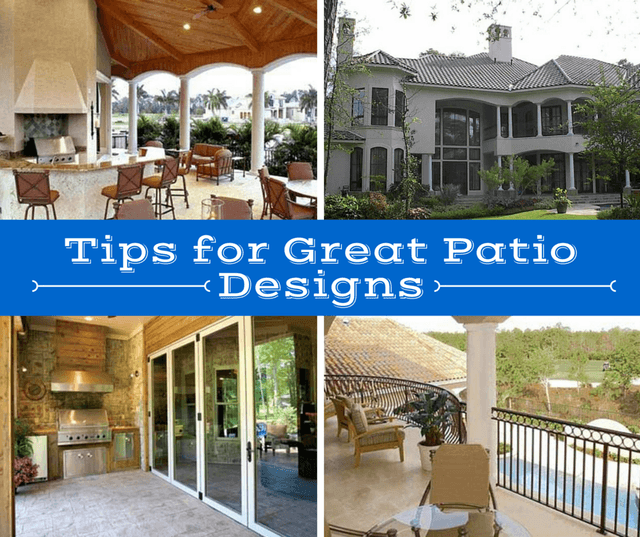
Whether you want to entertain friends with a cookout or relax with family after a long day, a patio is one of the best ways to obtain dedicated space for outdoor fun. If you want to breathe new life into your own patio, check out these amazing tips for inspiration.
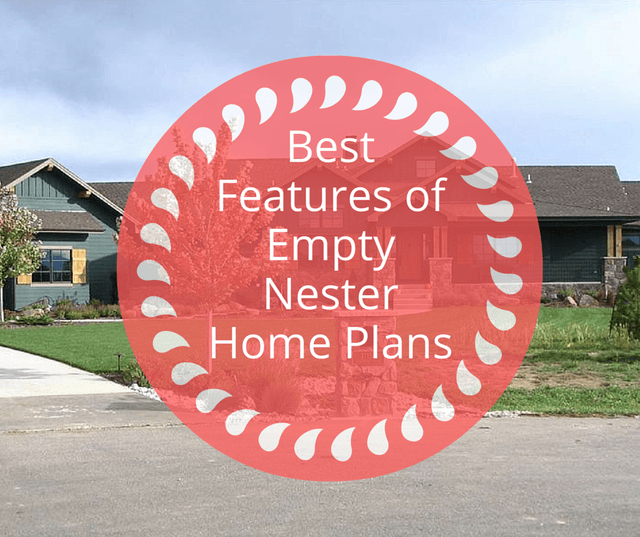
Old home, new look. With the children off to college or grown up and out of the family home, parents look to transform their “empty nest” to include high-quality finishes, features, and conveniences they can enjoy as they move on to the next chapter in their lives.
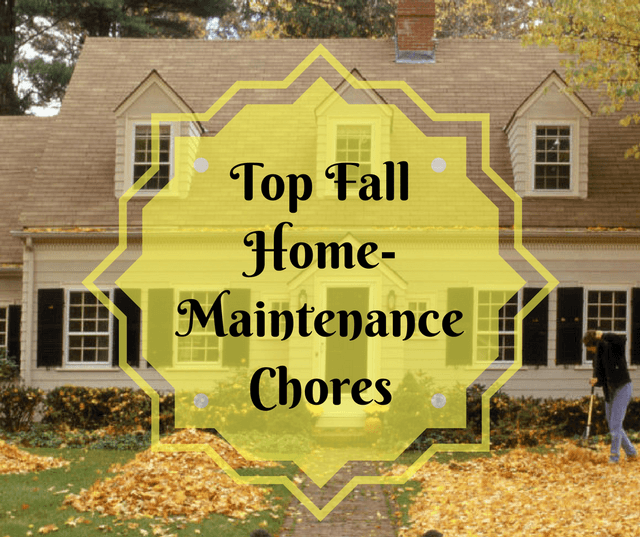
Fall is the best time to prepare your home – inside and out – for winter’s challenges and can help you save money on costly repairs by preventing damage before it happens. Fall maintenance can seem daunting, but most of it actually involves simple prep work and cleaning.
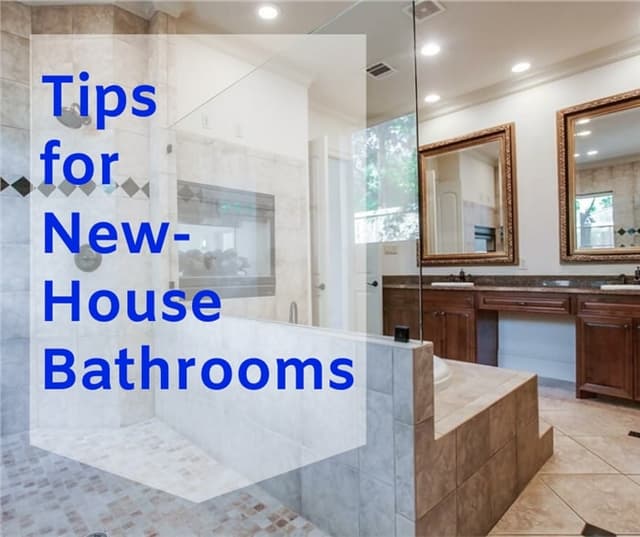
New-construction bathrooms are not simply chasing trends for the sake of it. Instead, new builds are improving on years of solid design work while not completely reinventing the wheel. Materials are chosen for fashion, function, eco-friendliness, and durability. This ensures that new bathrooms stay fresh for longer but cost less.
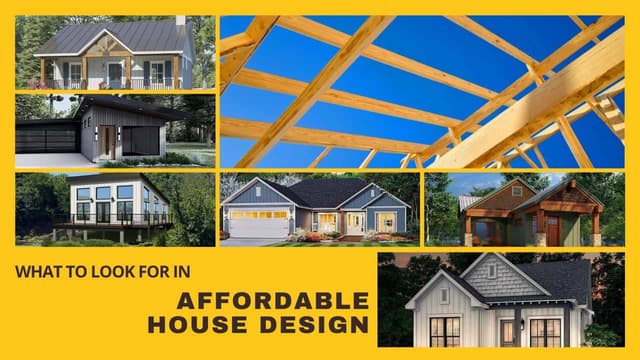
With the days of “bigger is better” over, people are looking for homes with smaller footprints. And fear not… there’s nothing shabby about affordable house designs, ranging from a one-story ranch to a two-story country home. These house plans can be just as stylish, appealing and luxurious as those in a posh neighborhood.
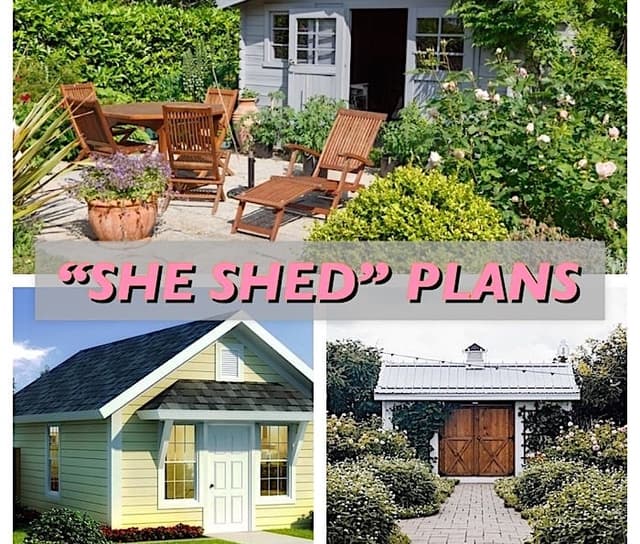
Definitely not a rowdy Man Cave or a tree house, the “She” Shed is a retreat like no other. It is a haven in the backyard where women can spend some peaceful “alone” time, take a respite from their hectic schedules at home and at work, or immerse themselves in creative activities.