Latest Stories
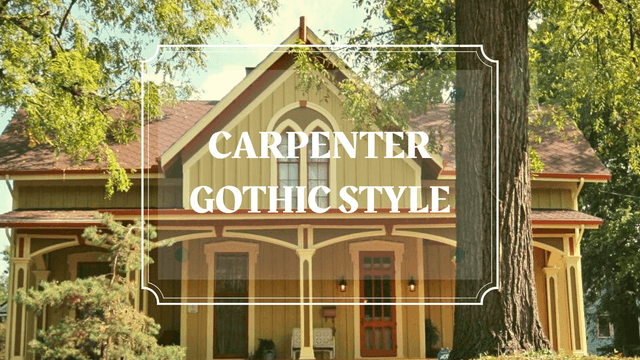
The Old World meets New in Carpenter Gothic! Inspired by the grandeur of the towering cathedrals of Europe, this American home style is present nearly nationwide and can be adapted to suit local building materials and preferences. If you like a modern twist on a classic style — this is for you!
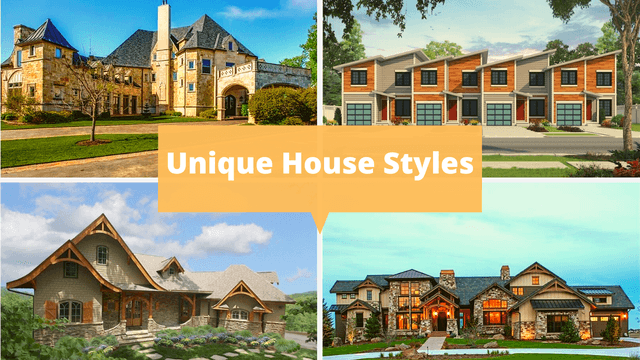
While some homeowners gravitate to cookie-cutter homes, others dream of building a house that will stand out! That’s why we’ve put together this list of our favorite unique house plans. The homes have unusual features and floor plans that set them apart, adding to their functionality, curb appeal, fun, and livability.

From splashes of color to mix-and-match lighting, huge islands, showy backsplashes, warm finishes, sleek cabinetry, and smart technology, this year brings plenty of stylish kitchen design trends that may work for that “chef who needs the latest.” Here are popular kitchen trends that can spice up the heart of the home.

Did you know that you can save on energy costs and ensure a bright home with lots of natural light by strategically planning your home’s position on an empty lot? Be smart about your home’s orientation and benefit from better temperatures, ideal lighting, and reduced costs.
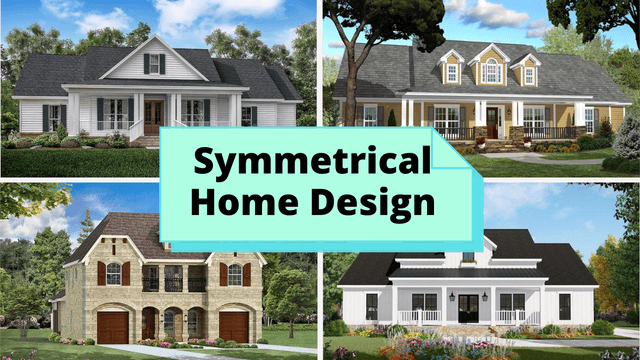
Symmetry is a popular architectural element for a reason. Because of the visual harmony of symmetrical homes, they tend to be one of the most popular and appealing options on the market. However, even if a home isn’t perfectly symmetrical, elemental balance is still essential. Here’s what you need to know.

Taking off in 1840 as “Federal” style faded into the background, the Italianate Style – with its decorative brackets and square towers – became the most popular architectural design in the U.S. until 1885. The style was primarily seen in grand country mansions and urban townhouses around the U.S.

With a description like “Zero Energy Home,” can such a house’s design be exciting and attractive? The answer is yes. It’s rapidly rising in popularity because of the super-efficiency, green footprint, comfort, security, and healthy environment that it provides for families – and it can come in every size and architectural style.
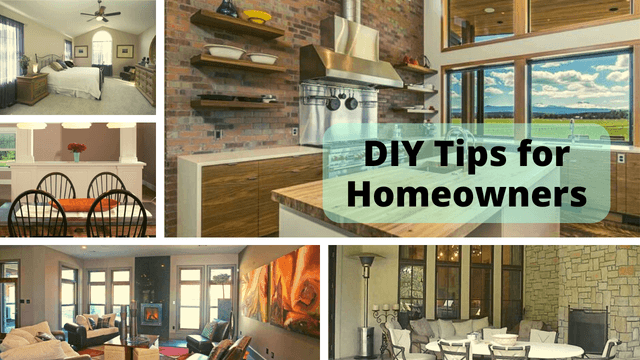
Tired of the wood cabinets in your kitchen or the fixtures in your bathroom? Itching to renovate a bedroom or the family room? Take heart—you don’t need expensive designers for your home makeover. We offer some easy tips for giving your home a fresh new look.

Described as a “triumph of simplicity and classically refined ornament,” the Federal style was influenced by Robert Adam, the British architect who was inspired by ancient Greek and Roman forms. Considered America’s first national style, Federal architecture dominated the landscape from 1780 to 1840, an exciting time when the fledging American Republic was forging its identity.

Buildings should look to the nature that surrounds them and partner with it, enhance it, in order to create spaces for human dwelling. Or so said American architect Frank Lloyd Wright. His Organic Architecture movement was (and is) all about combining form and function to create harmonious homes.