Narrow Lot House Plans
Narrow lot house plans are designed for property lots where the building width is limited, often measuring 45 feet or less. To compensate, these plans use greater depth, multiple stories, and efficient room layouts to provide comfortable living areas within a narrower footprint. They work particularly well in urban areas and cities where a narrow footprint is needed because there's room to build up or back, but not wide. However, just because these designs are narrow, driveway placement, side yard setbacks, and access requirements should be considered before choosing a plan.
Features of House Plans for Narrow Lots
Many designs in this collection have deep measurements or multiple stories to compensate for the loss of width. There are also small house plans for narrow lots for those who are simply looking for less square footage. Options include 20-ft-wide and 30-ft-wide house plans for especially narrow properties. Here are other common features of these homes:
- Tall ceilings impart a sense of spaciousness, no matter how narrow the house is.
- Deeper layouts and two or three stories to add living space without increasing the home's width.
- Main-floor primary suites with the rest of the bedrooms built on another story.
- Second-floor laundry to help keep the most important rooms on the first level.
By going vertical, it is not uncommon to find 3-bedroom house designs in an otherwise small footprint. Buyers who wish to make greater use of their lot beyond the house itself can also explore house plans with outdoor living space.
How Narrow Lot Floor Plans Use Space Efficiently
On a narrow lot, room placement matters as much as square footage. Many designs feature open floor plans with kitchens, dining areas, and living rooms arranged in a continuous layout as opposed to being separated by wide hallways or multiple circulation paths. This keeps more of the floor area usable.
Stairs are typically located in the floor plan where they interrupt the flow of the main living area as little as possible. In some 2-story house plans, they sit near the center of the house, allowing rooms to be organized around them without adding long corridors.
Window placement is also important in narrow homes since neighbors can be close to the side walls. Front- and rear-facing windows, along with carefully positioned side windows, help allow daylight deeper into the home while also ensuring privacy.
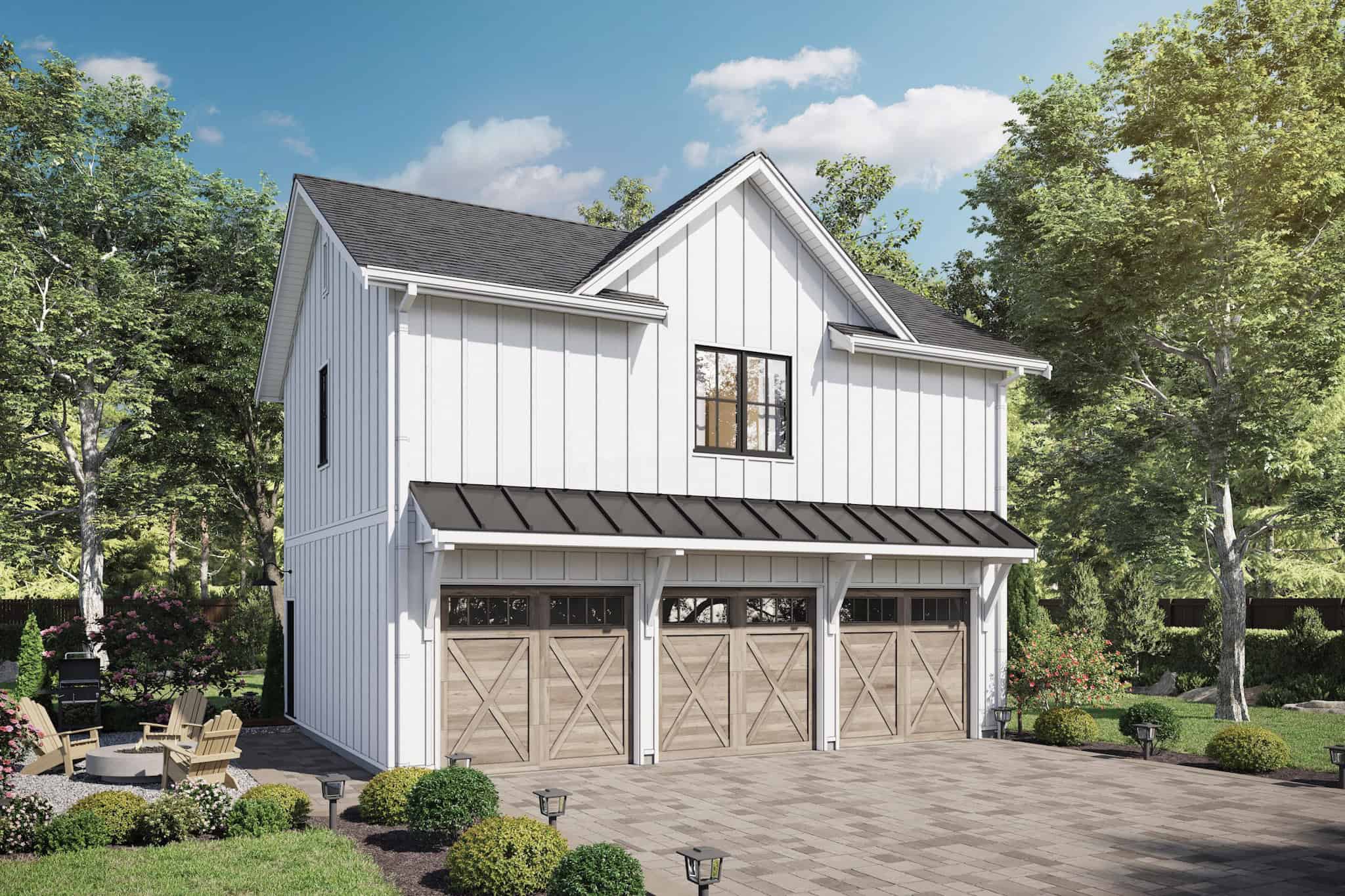
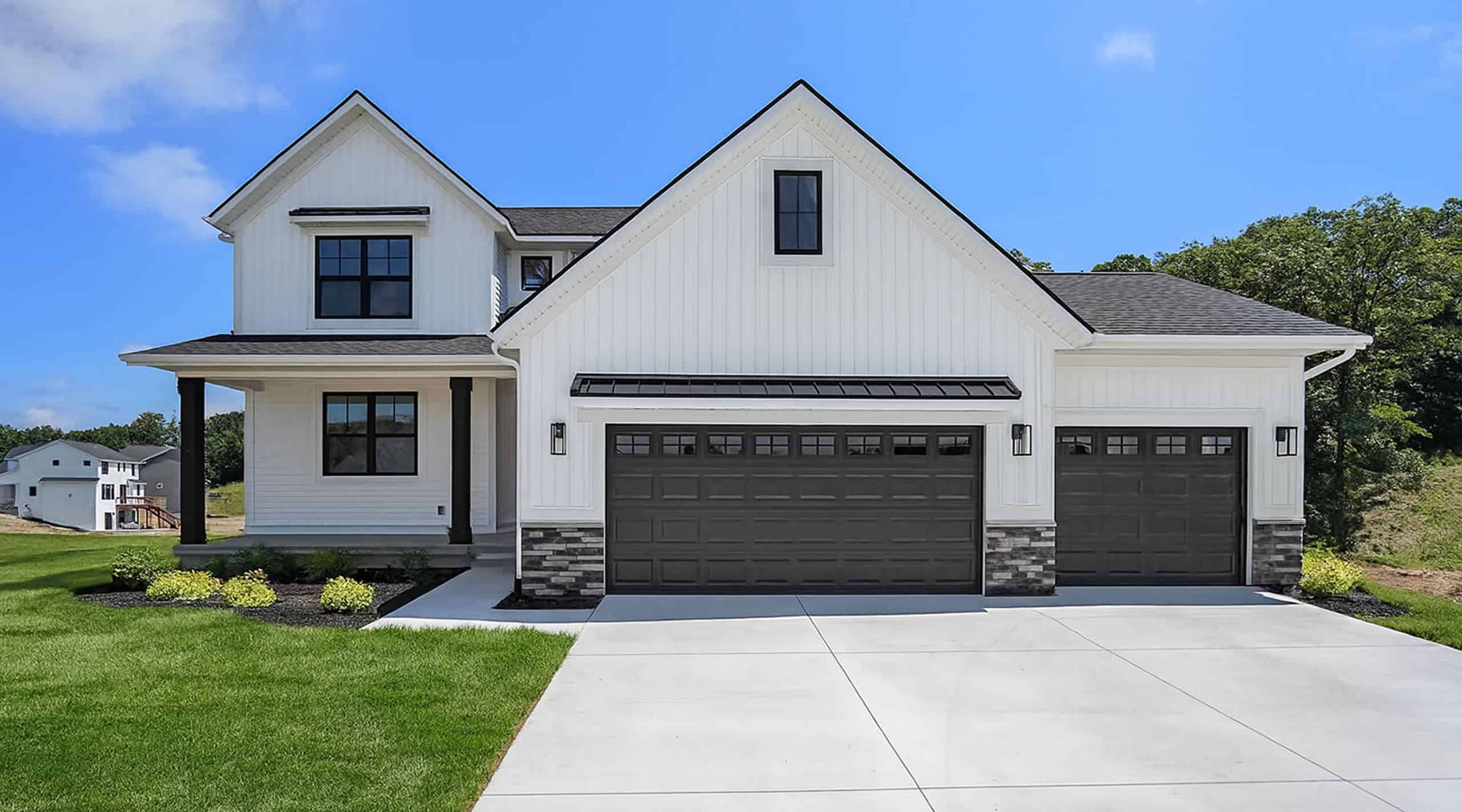
If the house has a garage, its configuration will shape the first floor. Front-entry garages are common on narrow lots, while rear-entry or alley-loaded garages can free up the front of the home when rear access is possible.
Choosing a House Plan for Your Lot Width
Start with the lot’s buildable width, not just the total width on the survey. Side-yard setbacks, easements, and other restrictions can eat into the space you actually have to work with.
Next, compare that number with the plan’s overall width. Be sure to look at anything that sticks out beyond the main walls too, such as porches, exterior stairs, roof overhangs, or garage projections.
And just because a house technically fits does not always mean it fits well. Driveway placement, garage access, and required clearances can still make a plan awkward for the site. It is worth checking those dimensions before settling on a design.
If the lot width is not a constraint, browse our full collection of house plans.
Frequently Asked Questions About Narrow Lot House Plans
What is considered a narrow lot house plan?
For this collection, narrow lot house plans are generally 45 feet wide or less. Some are quite a bit narrower, including 20- and 30-foot-wide designs.
How do I know what width house will fit on my lot?
Start with the buildable width, not the total lot width. Side setbacks, easements, and local requirements can take away more space than you might expect. Once you know what you actually have to work with, compare it with the dimensions of the plan.
Can a narrow lot house have a garage?
Yes. Front-entry garages are common when there isn't room for side access. Rear-entry and alley-loaded garages are another option if the property has access from behind. You can also browse house plans with garages if a garage is a priority.
Are narrow lot house plans usually two stories?
A lot of them are. Adding a second or third floor provides more living space without making the house any wider. There are one-story house plans that work on narrower lots too.
What should I check before buying a narrow lot house plan?
Check the property's buildable width and depth, setbacks, easements, and driveway or garage access. Local zoning and building requirements matter too. A plan can fit the lot dimensions on paper and still not work once those restrictions are factored in.
Plan Results
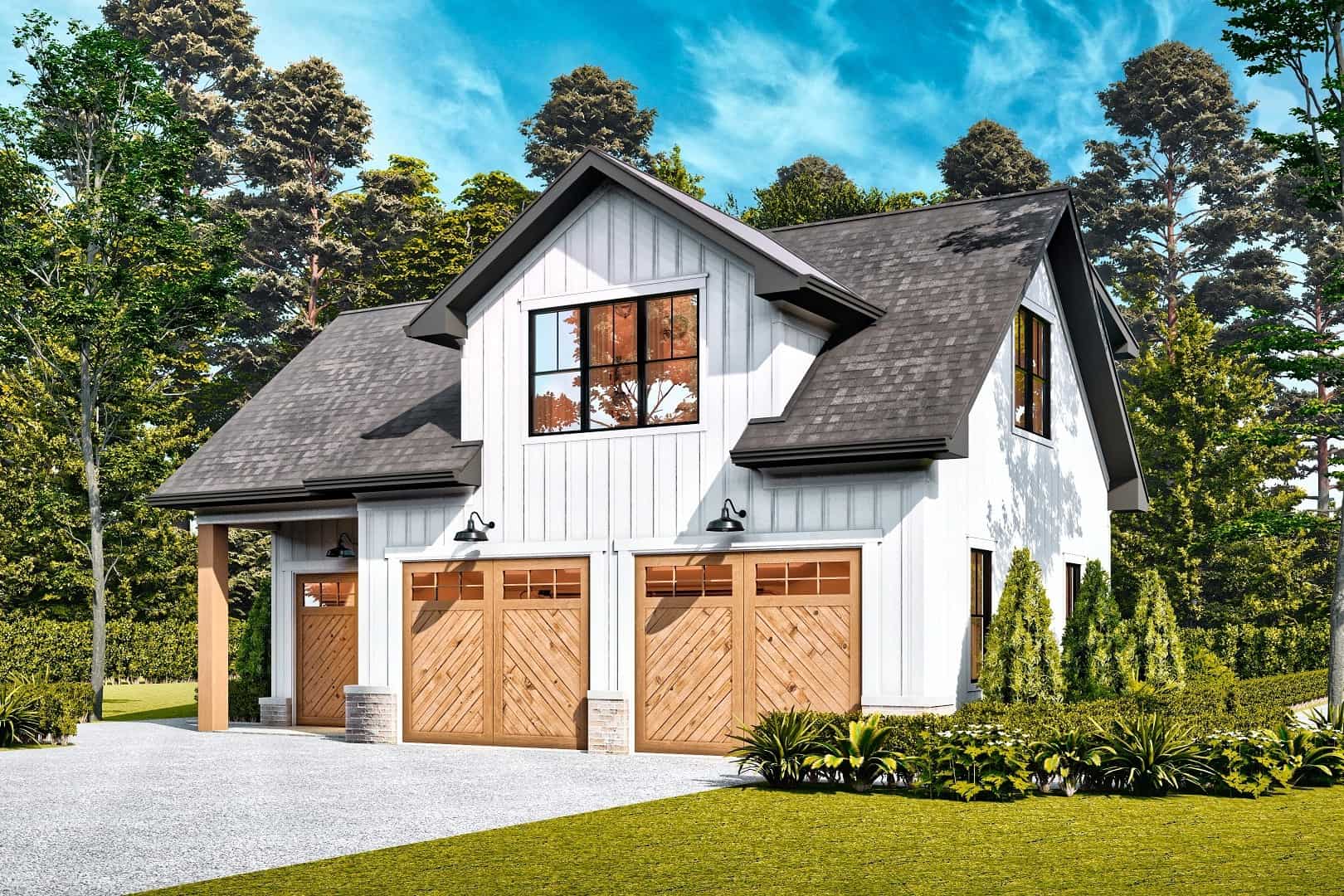

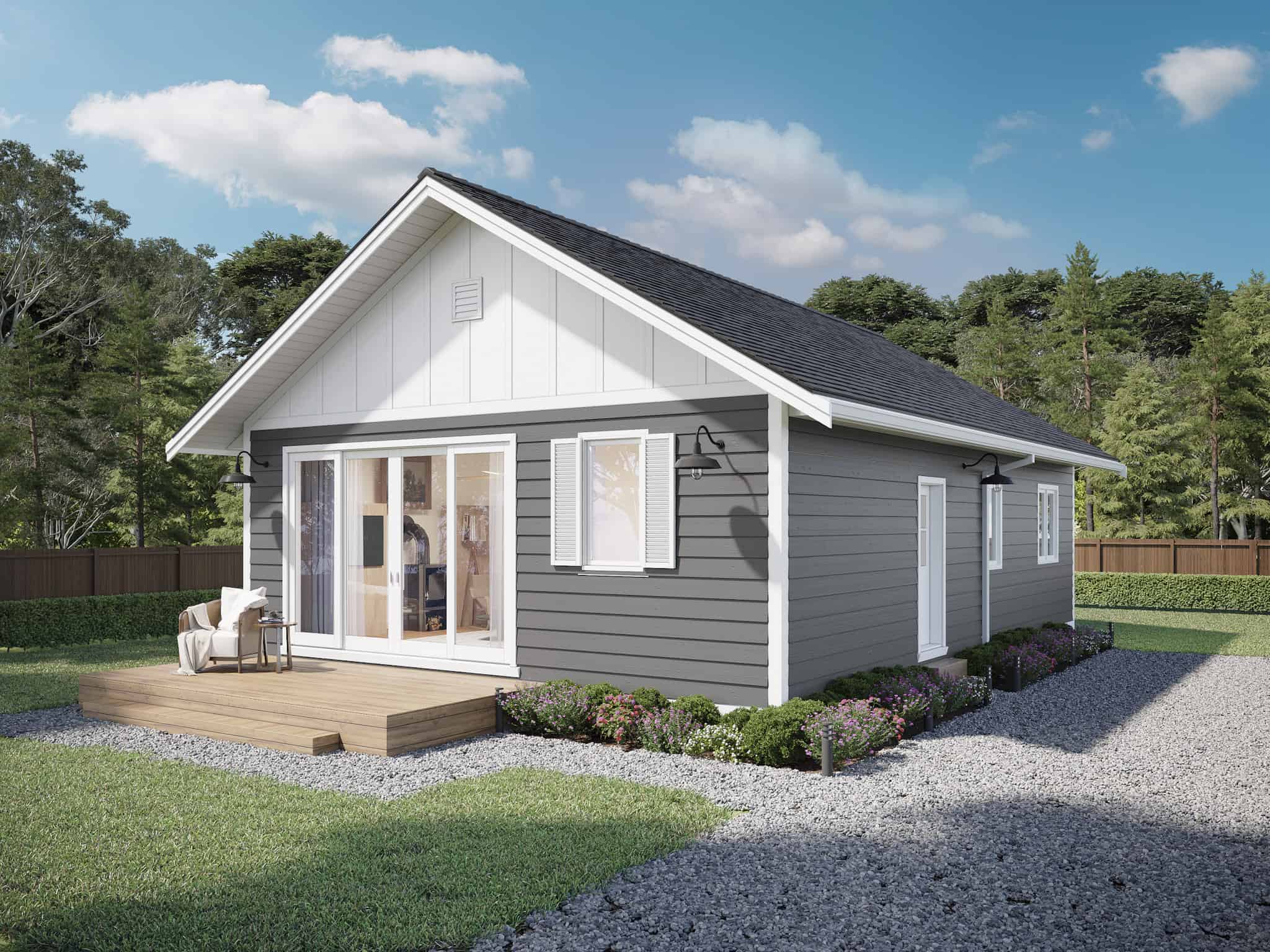
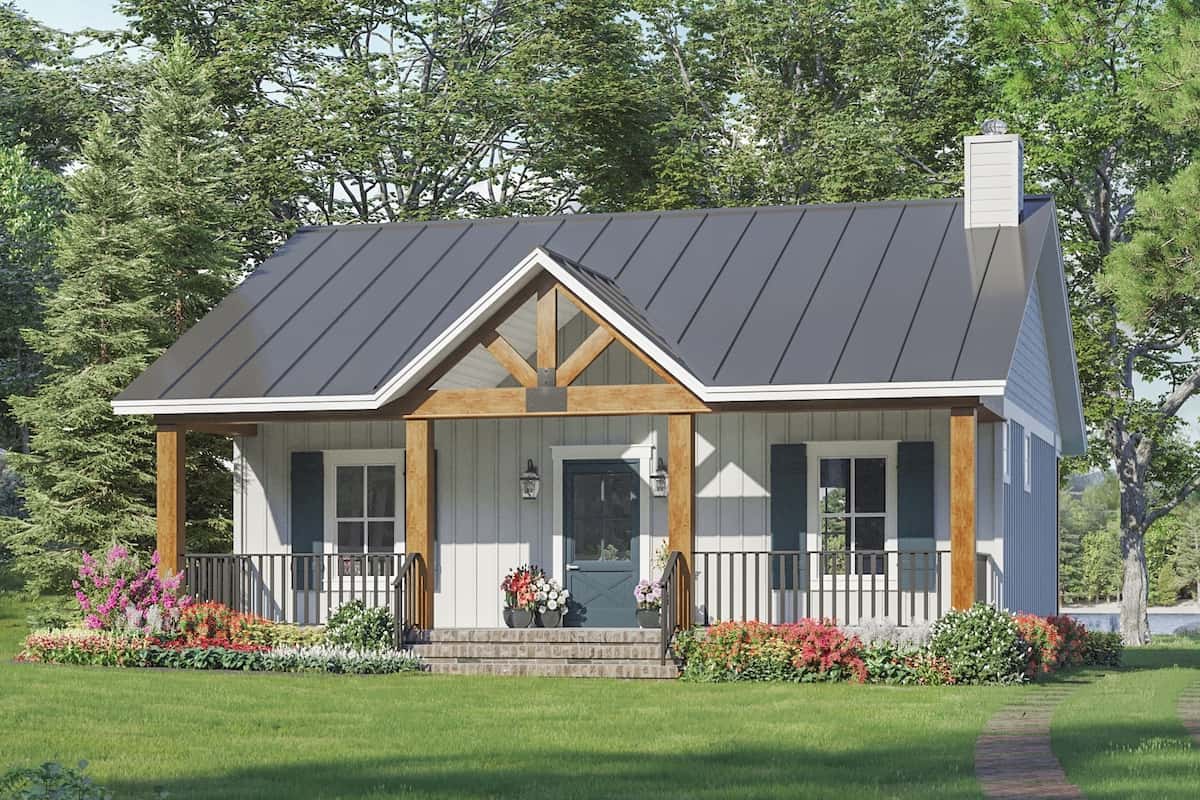

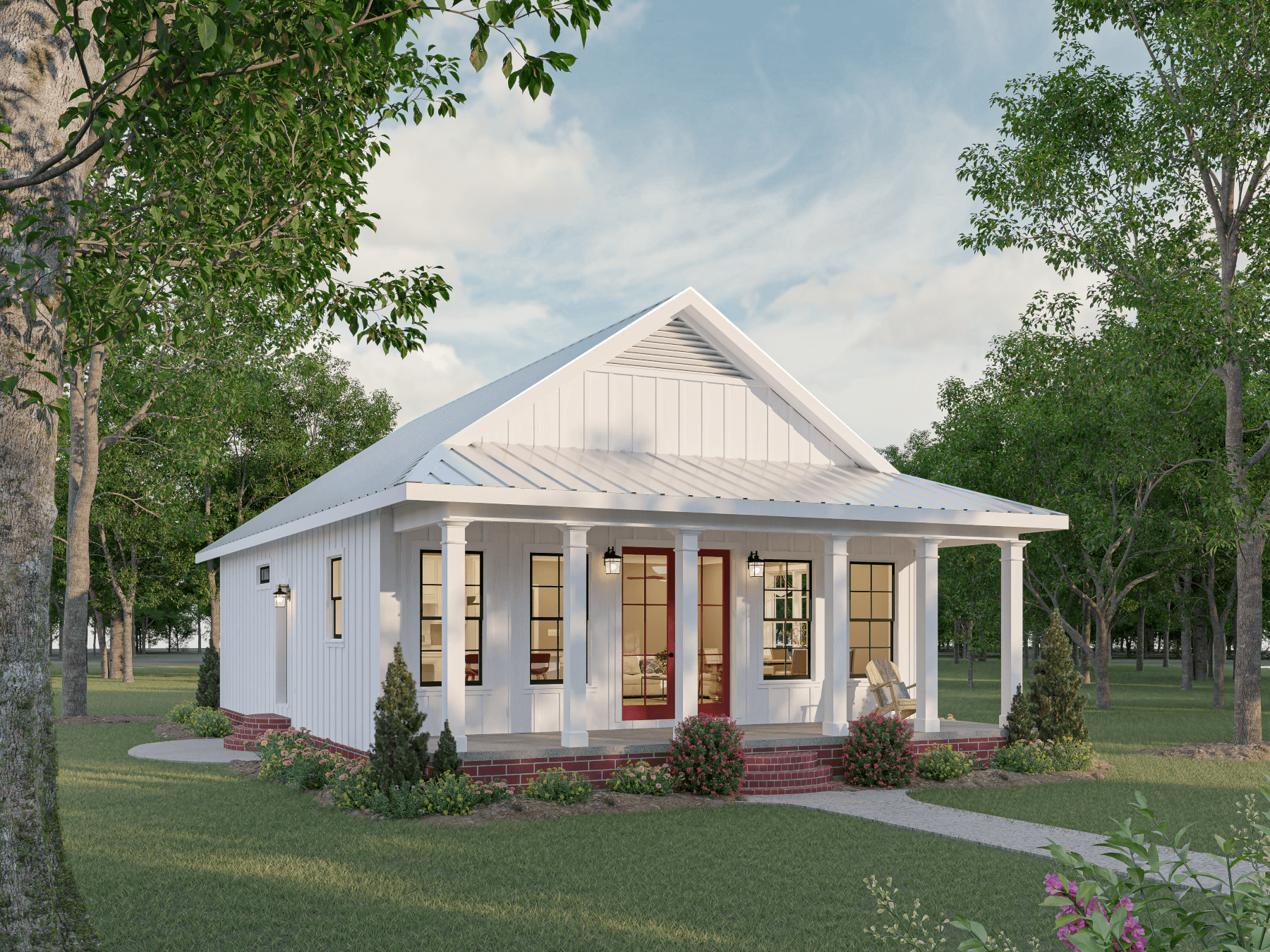
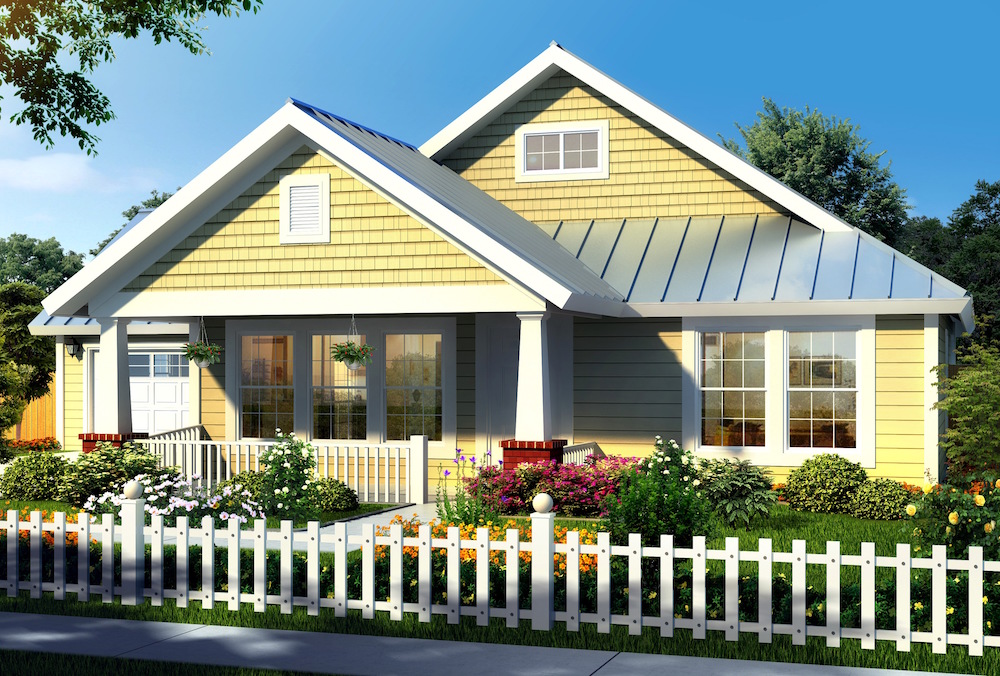
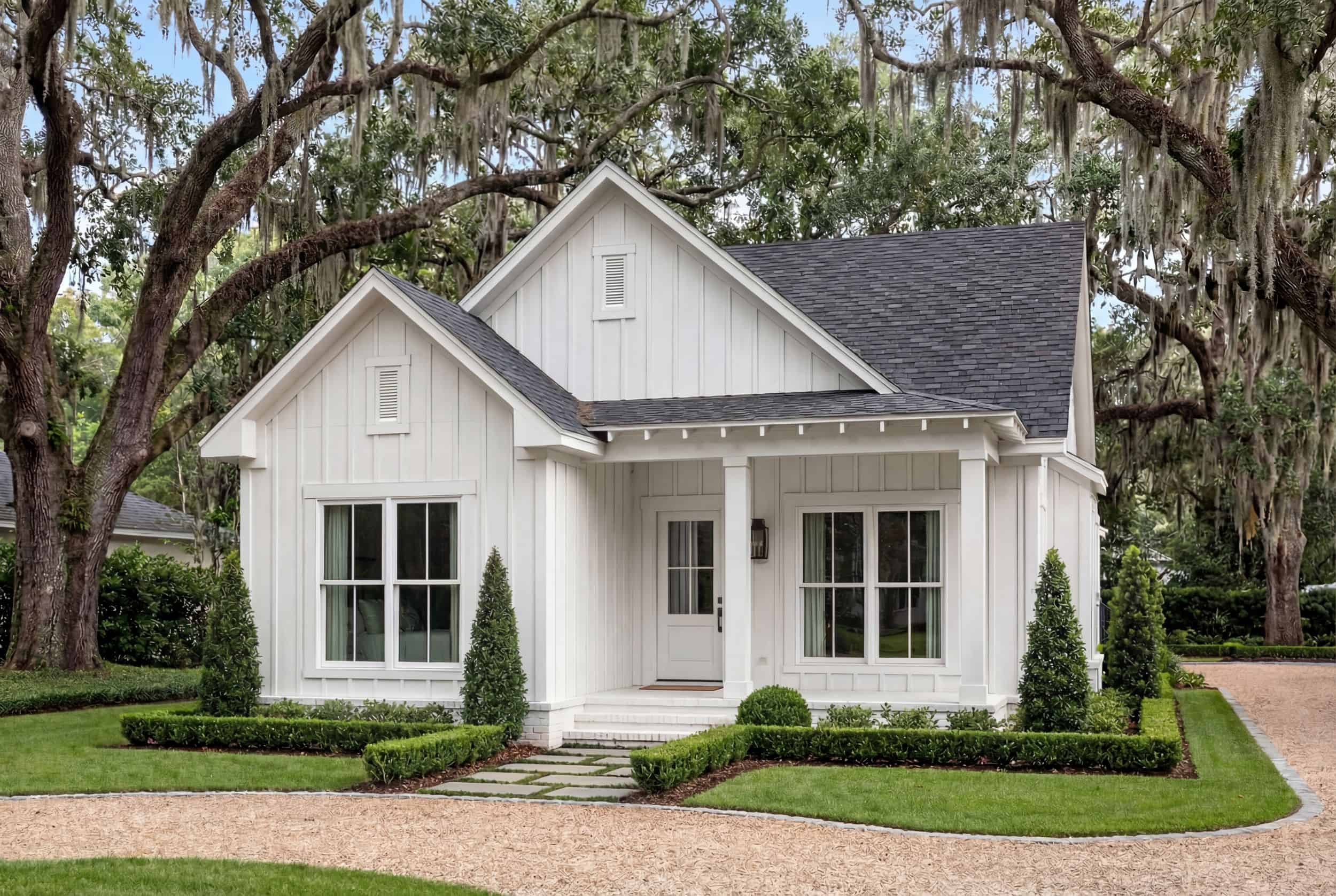
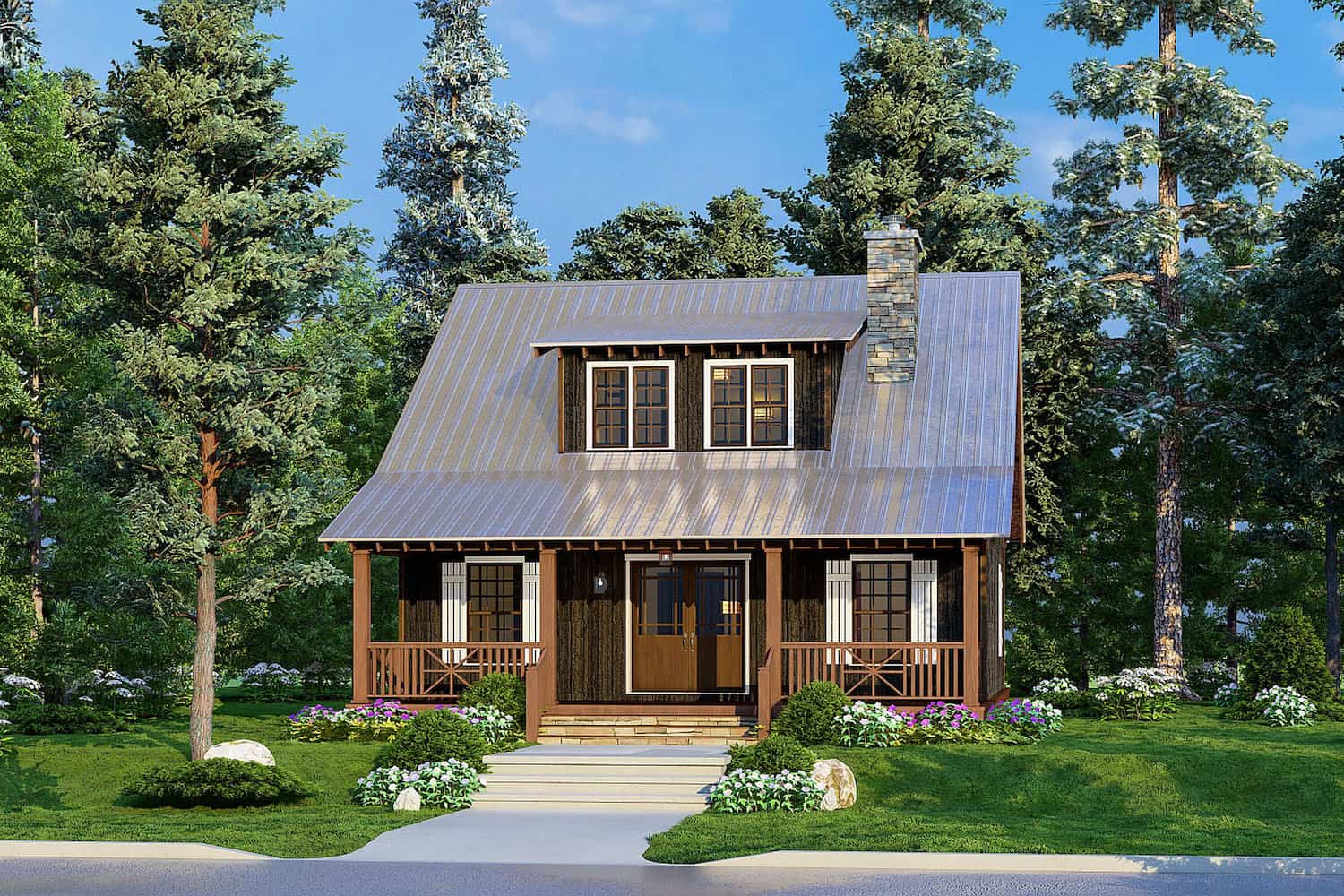
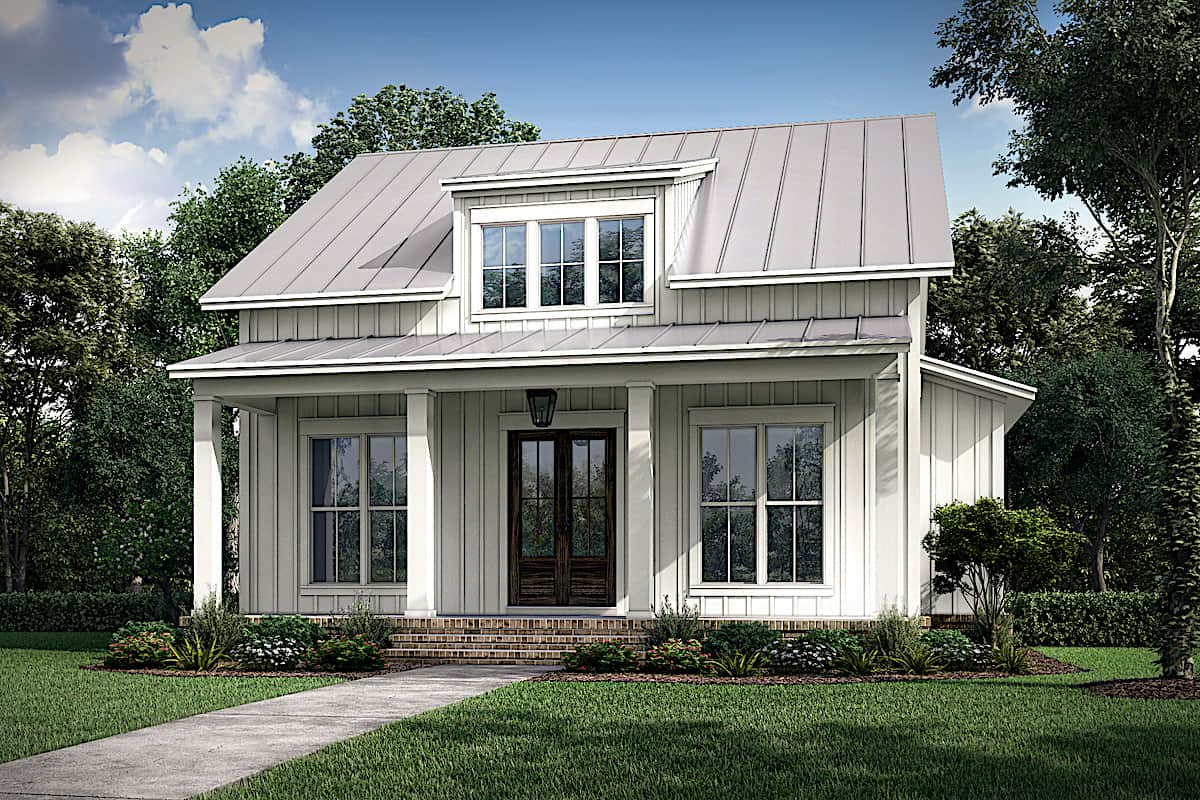
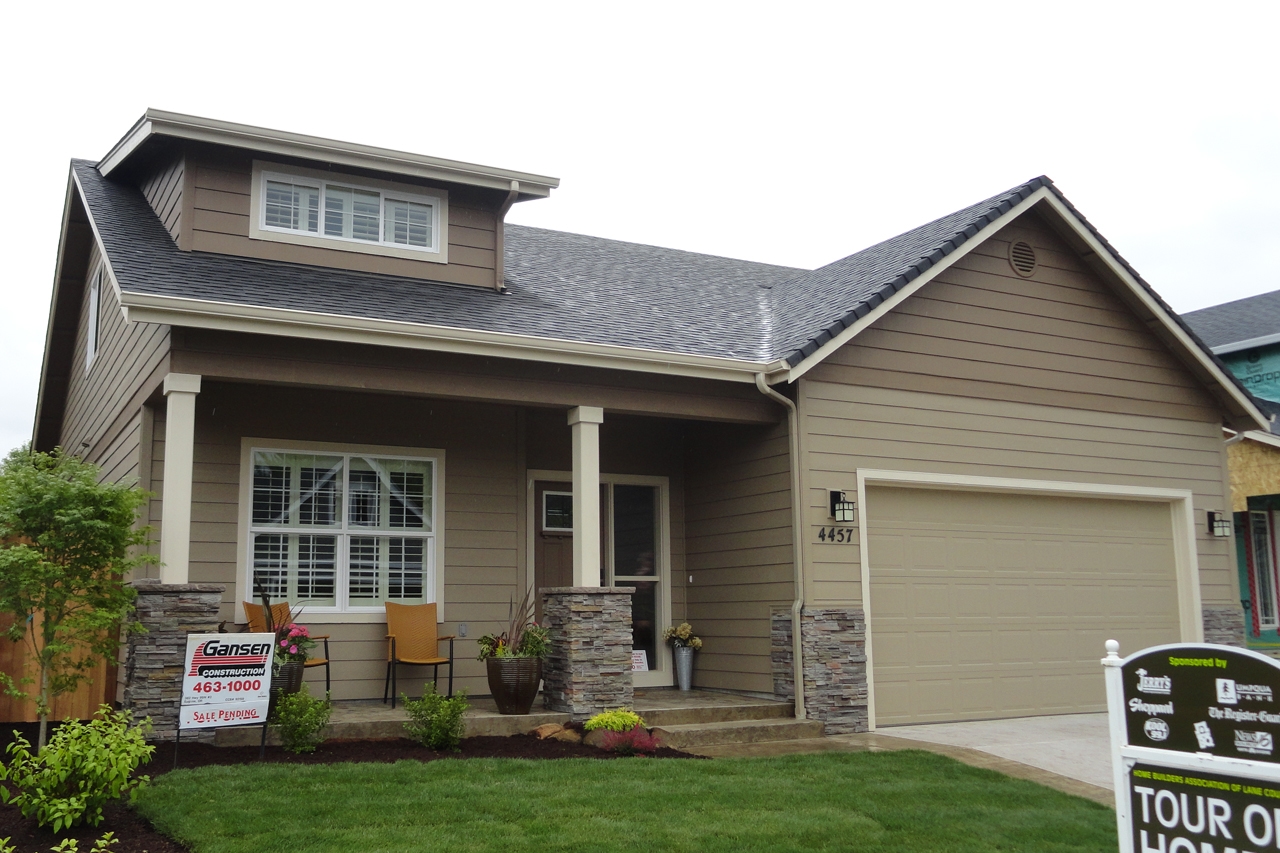
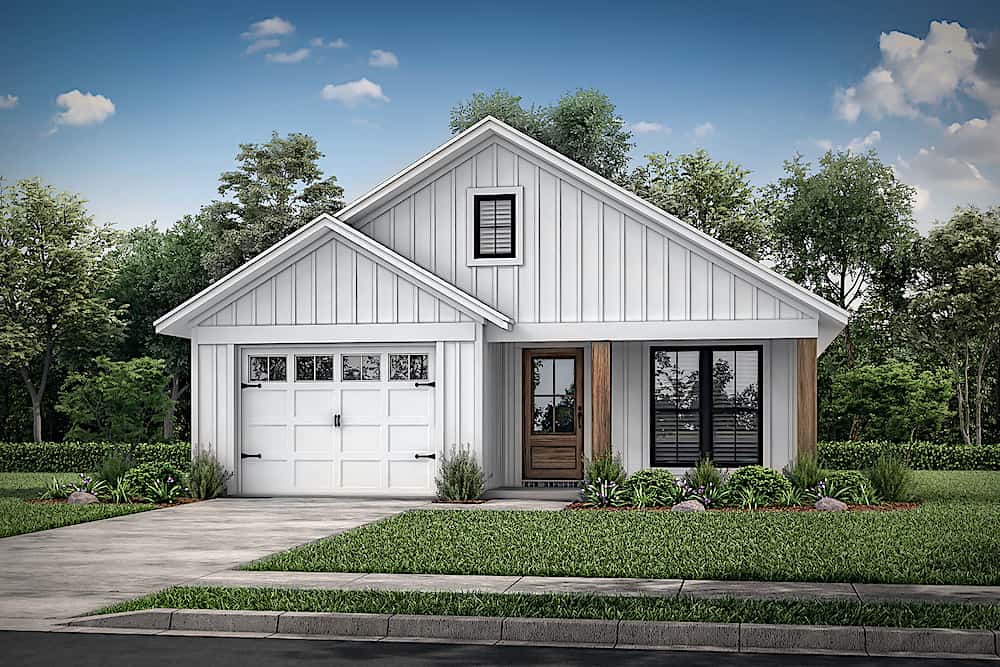
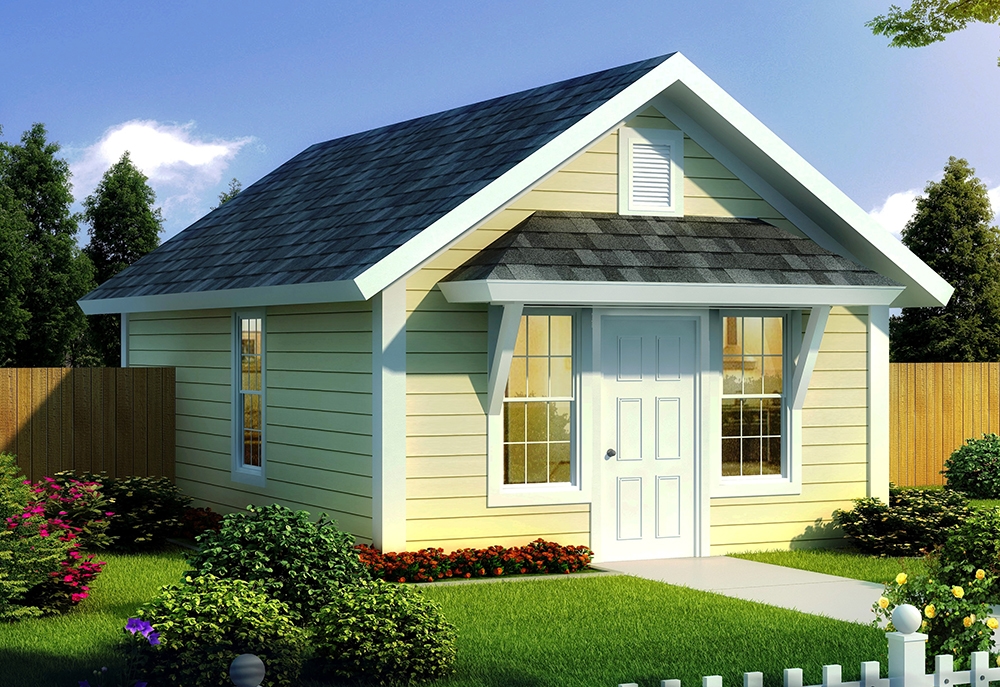
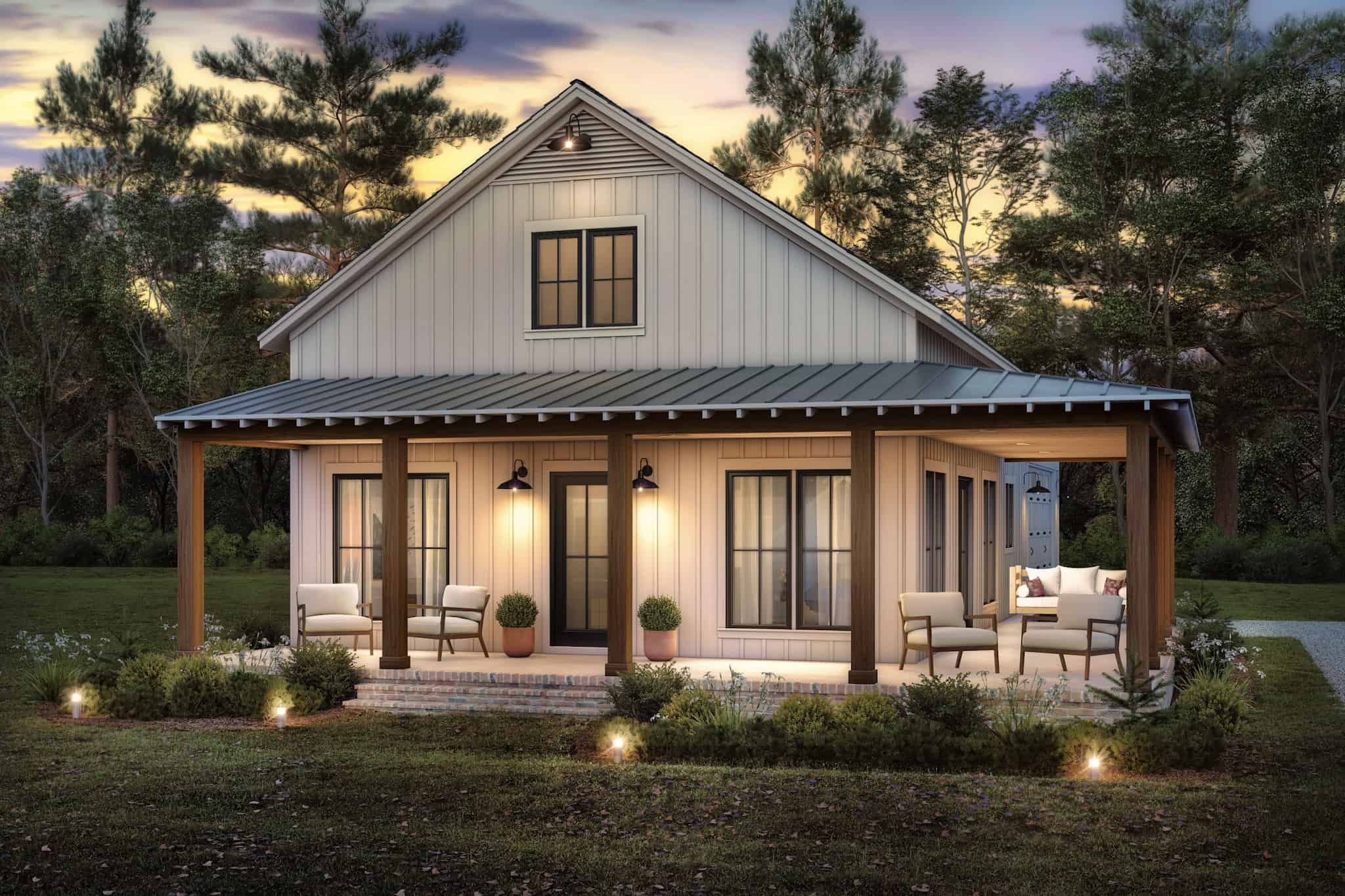
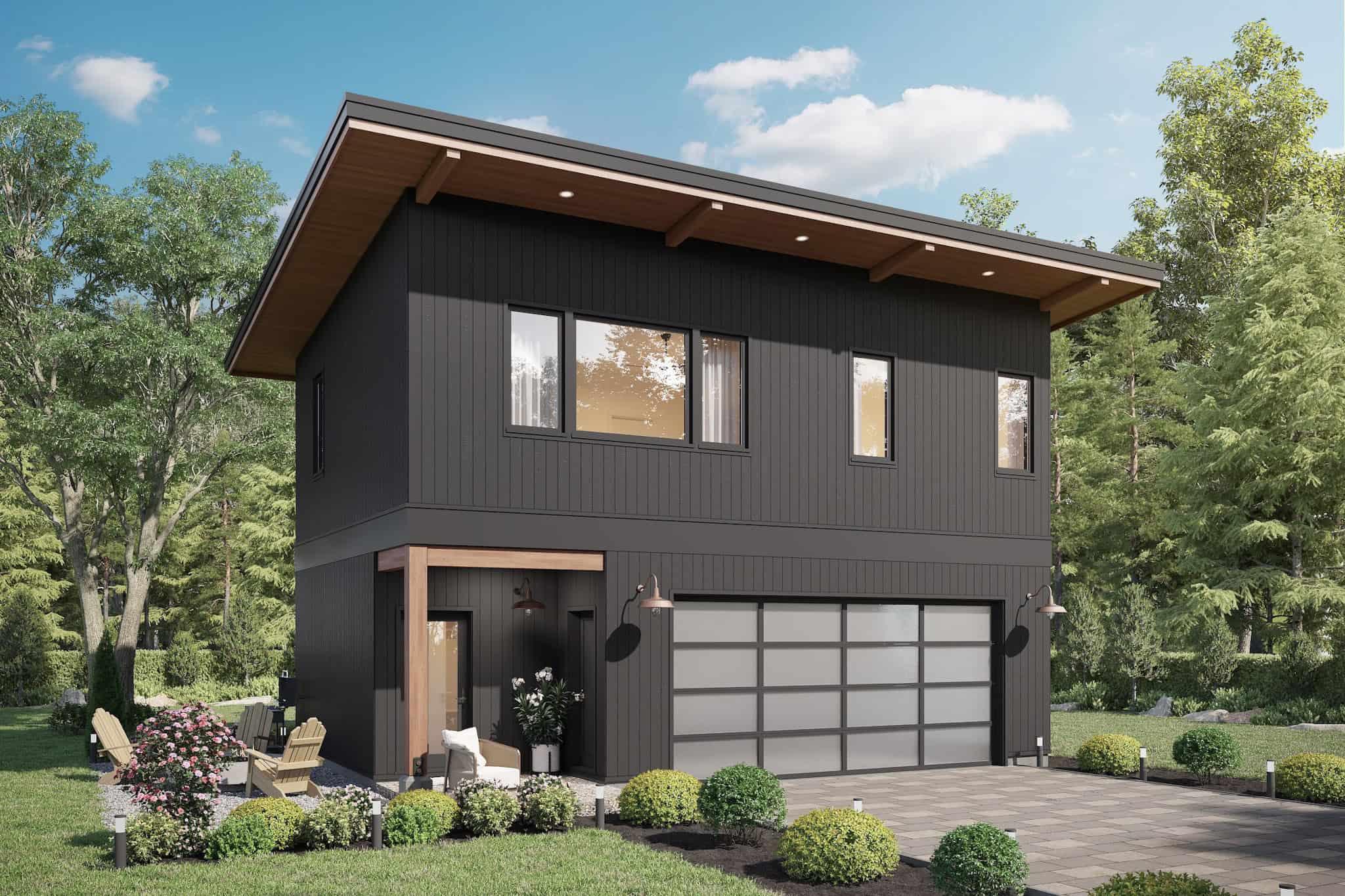
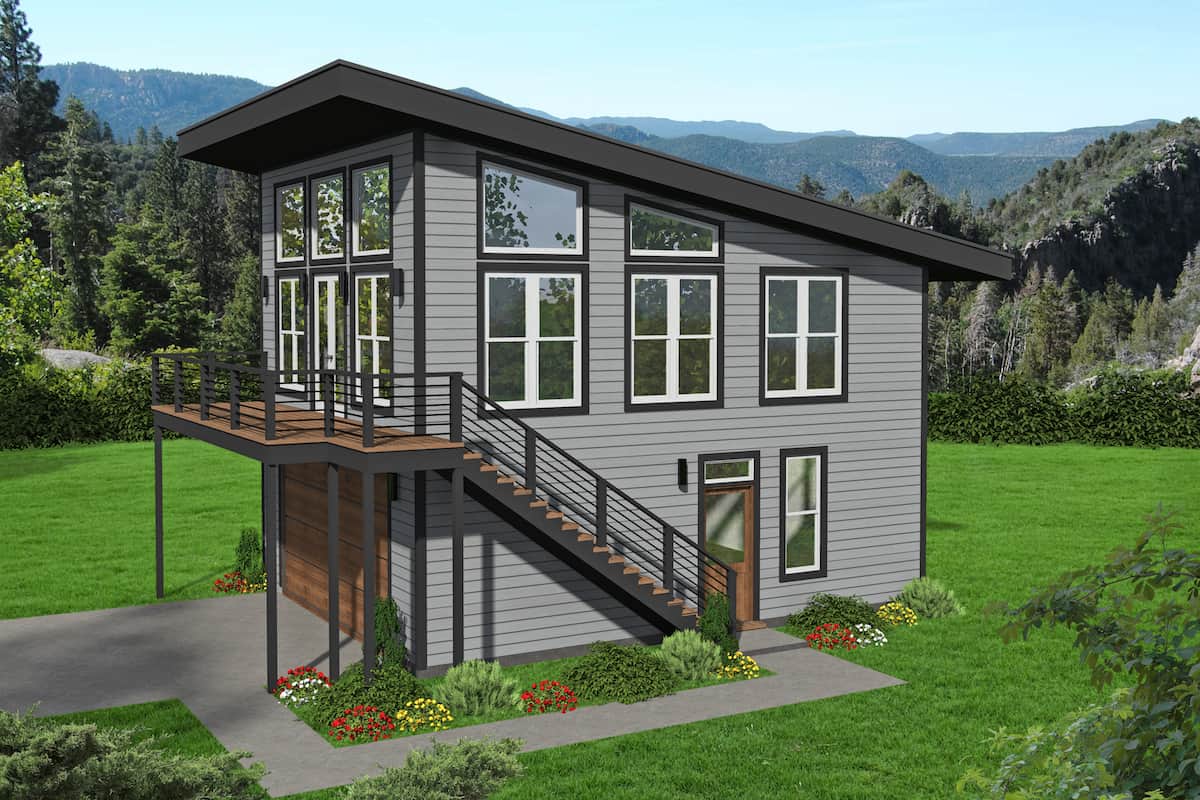


Narrow Lot House Plans Video
The Plan Perspective
The Advantages of Building a Narrow Lot Home
Creative. Green. Affordable. Narrow Lot Floor Plans Gain Traction with Young Home Buyers Not everyone is made for the sprawling suburban environment with huge homes and acres of lawn. For those who prefer a smaller ecological footprint for their home, a smaller house plan or narrow lot house design offers new and fresh perspectives. In some areas, narrow lot home designs are even encouraged to increase social interaction among neighbors and promote a feeling of community. Reminiscent of Bungalow Row in Chicago and the icon