Arts and Crafts House Plans
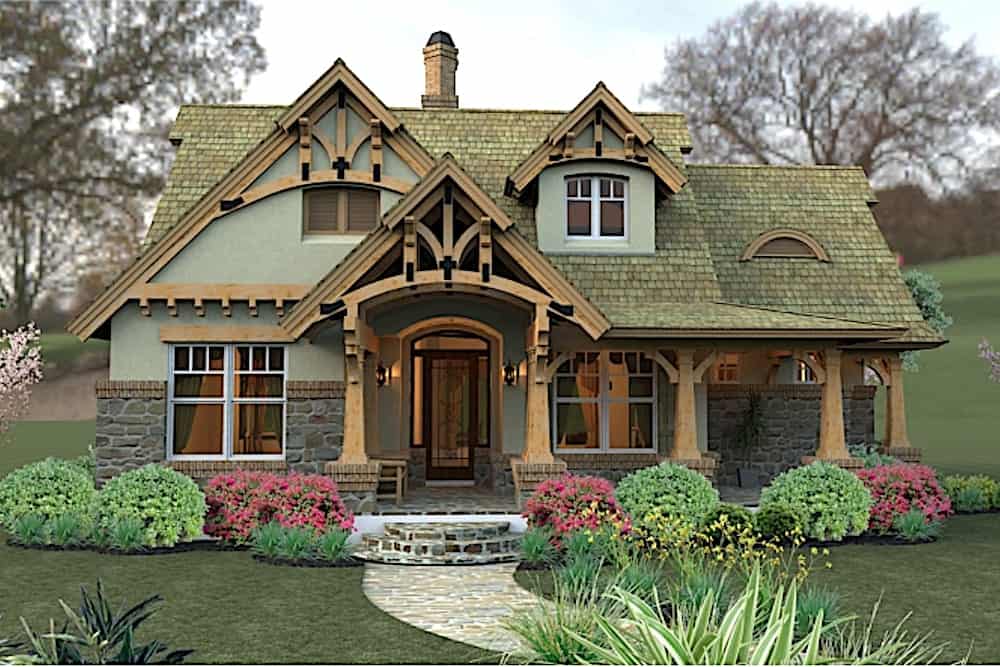
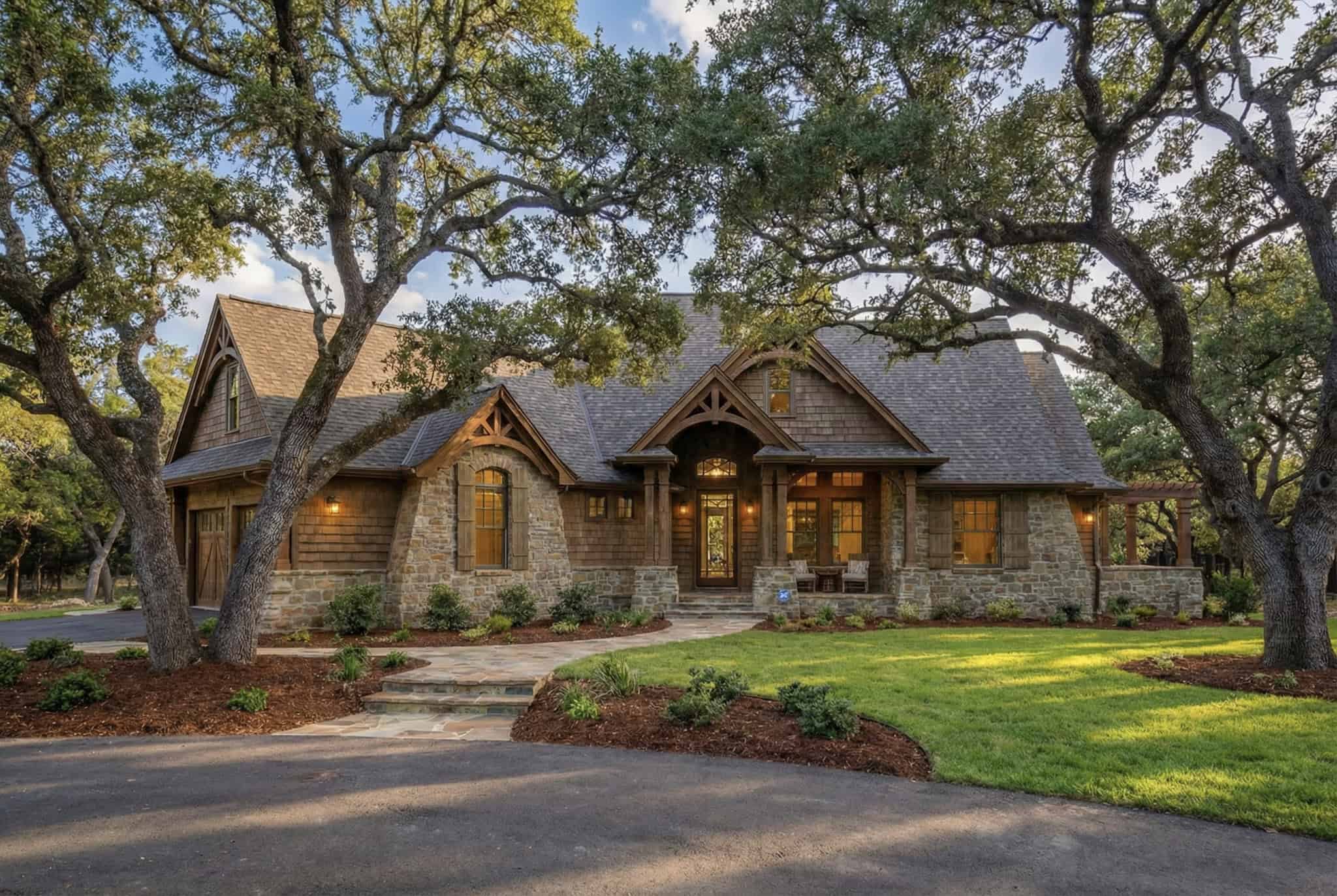
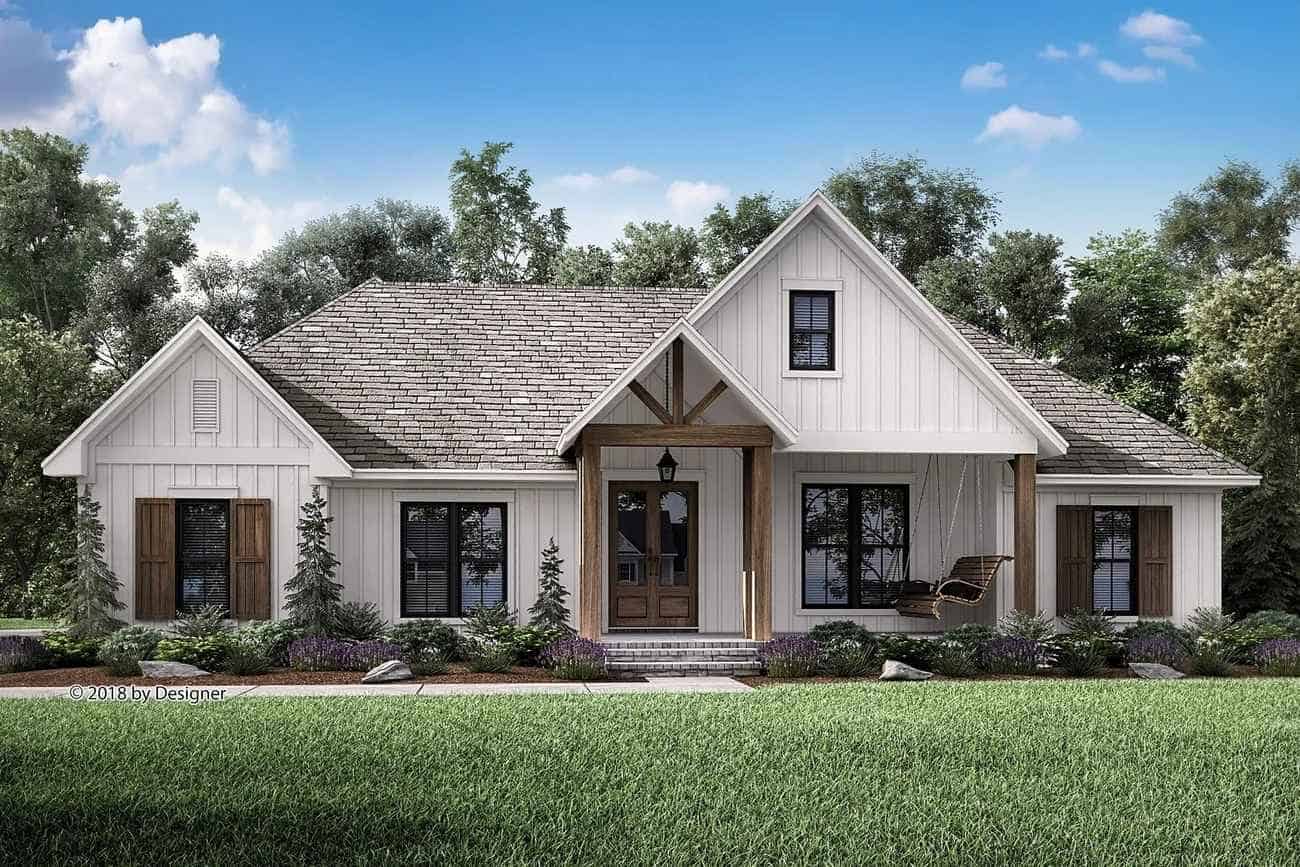
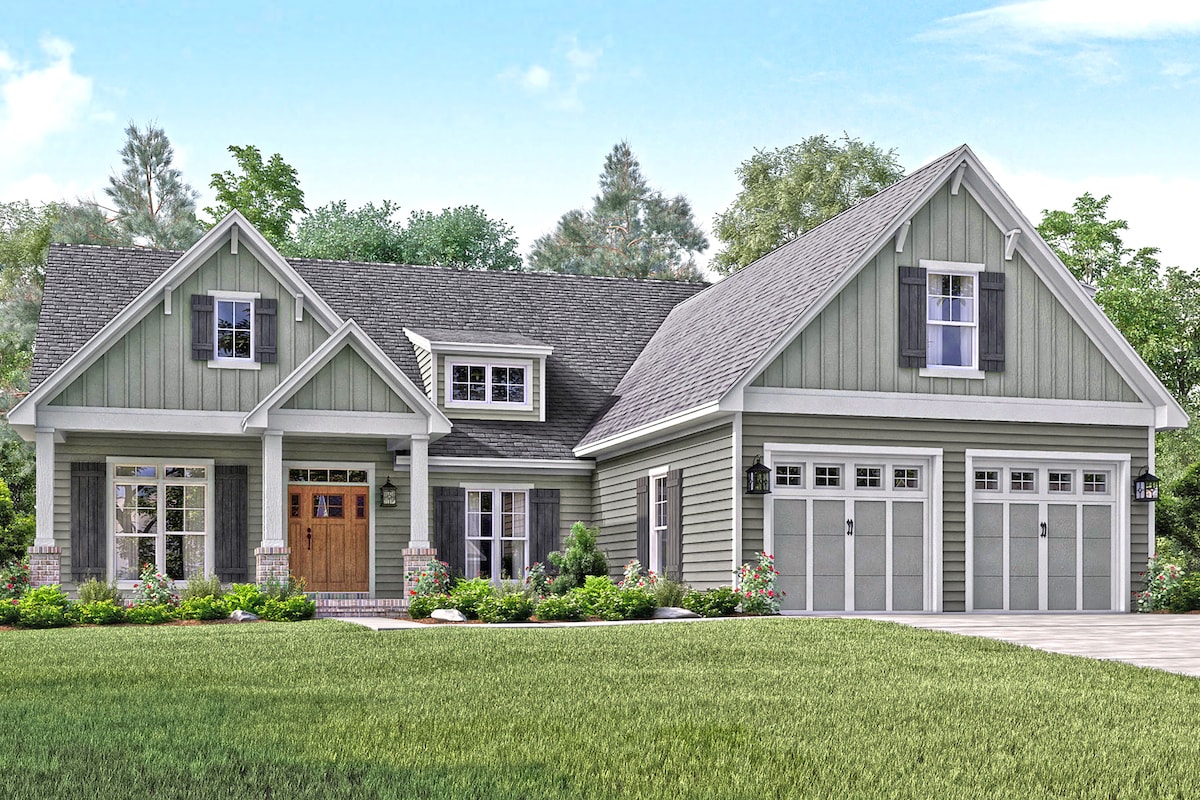
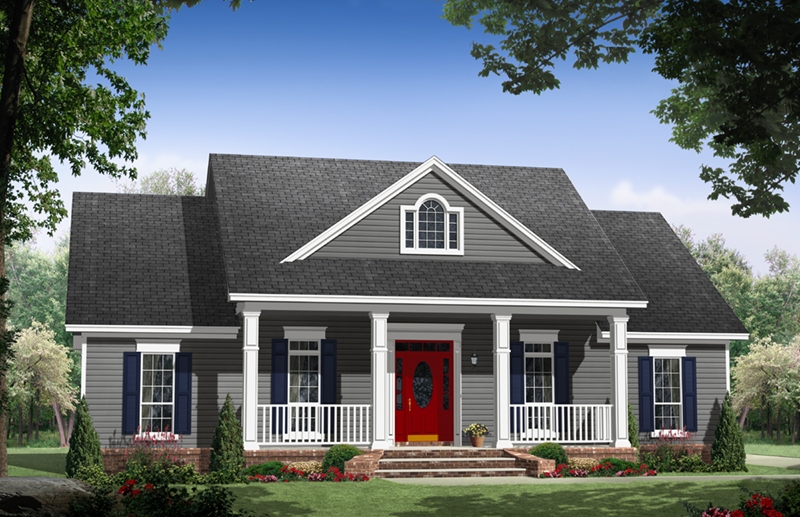
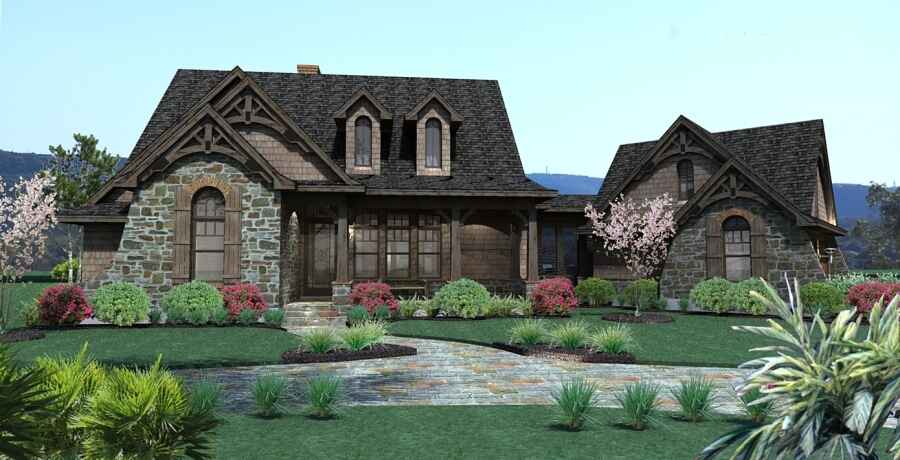
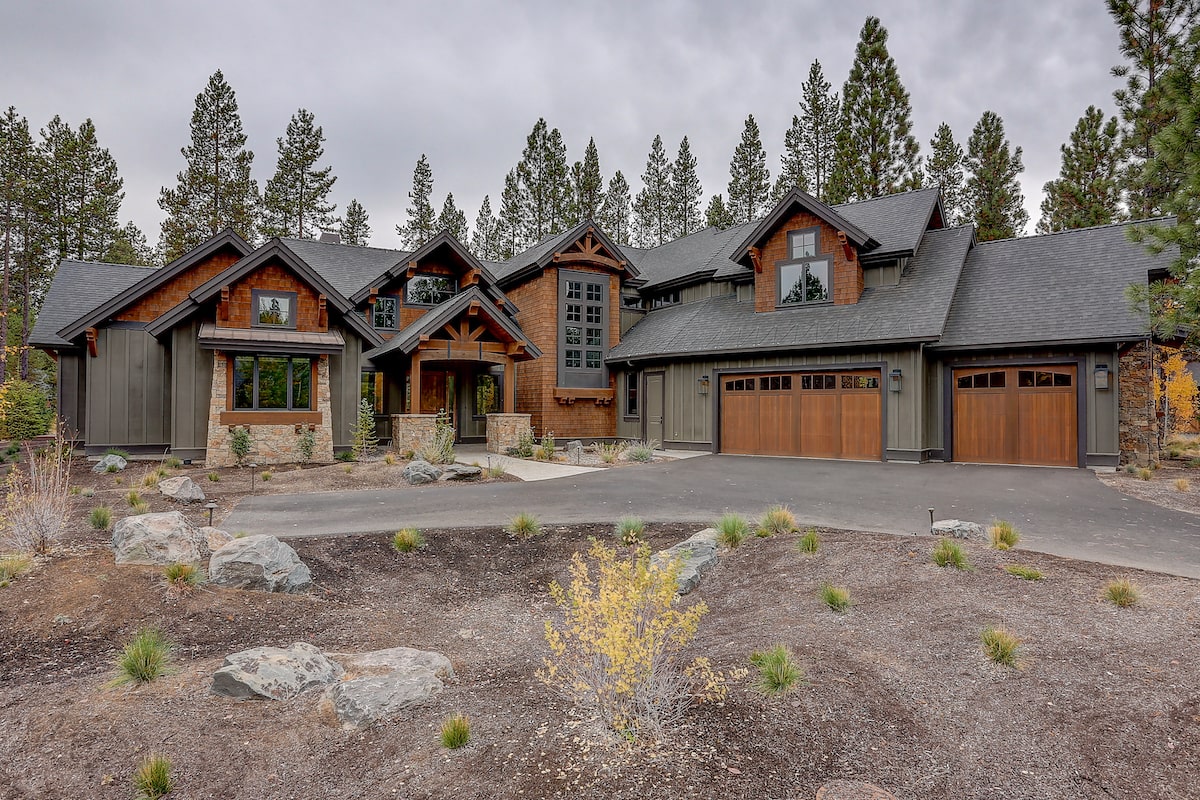
Arts and Crafts house plans, in all their variety, do share some common characteristics. Exposed rafters, beams, or rafter ends are common. Dormer windows in various styles extend the roofline over windows and create a welcoming entry. Typically, their foundations are constructed of rock, sloping outward as they approach the ground. Exteriors are made of wood or stone and include masonry chimneys and large porches along the front of the home. Interior trim work emphasizes wood grains and built-in cabinetry. This architectural style's beautifully simple, functional, rustic, and hand-hewn look appeals to many.
Arts & Crafts Architectural Sub-Types & Features
In America, regional representations of the Arts and Crafts emerged. The emphasis on local crafts, paired with the diversity in climate and culture across America, created a variety of styles.
- Craftsman. Craftsman house plans are the most widely built expression of the Arts and Crafts movement, sharing the same emphasis on natural materials and exposed structural detail.
- Prairie School. In the early 1900s, Frank Lloyd Wright began designing homes that connected with their natural environment. He was influenced by the prairie's long, straight horizons and flat lines. His designs included not only the house itself but also the furniture and textiles.
- California Mission. The California Mission style was based on simple adobe mission churches and incorporated the American Arts and Crafts hand-hewn emphasis, with a focus on form and natural woods.
- Bungalow Style. The Bungalow Style was one of the first steps toward the modern Ranch home. The house has a horizontal layout, with no space for servants. The kitchen was functional, and the hearth was designed to be the center of the home.
- American Foursquare. This practical, boxy, two-and-a-half-story home typically had four rooms per floor and a large front porch. The shape was intended to sit comfortably on small urban lots. Built-in cabinetry and Craftsman-style woodwork were typical.
We have a wide variety of Arts and Crafts floor plans. Browse through the home designs below, and contact our support team if you have any questions about any plans.
Plan Results




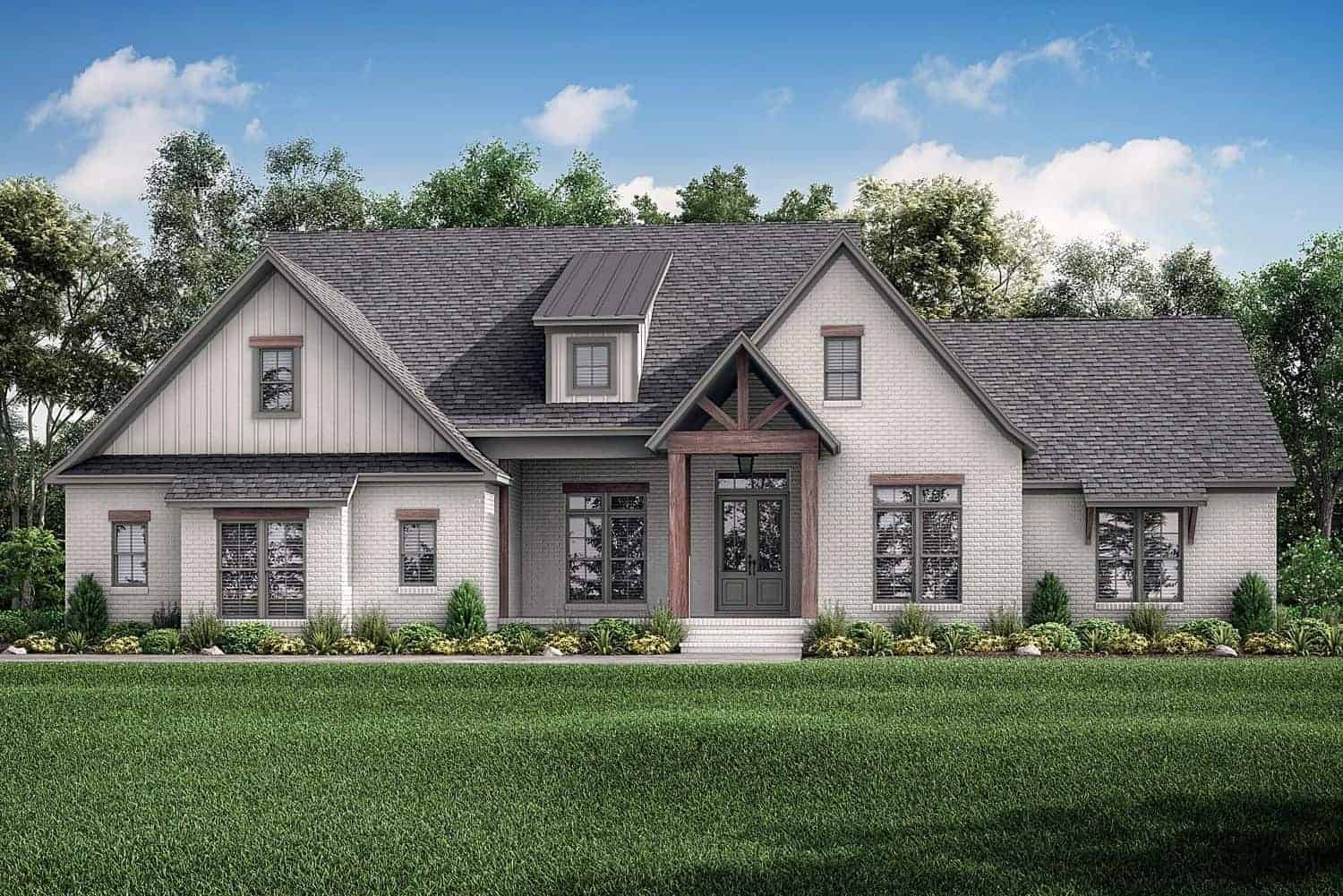
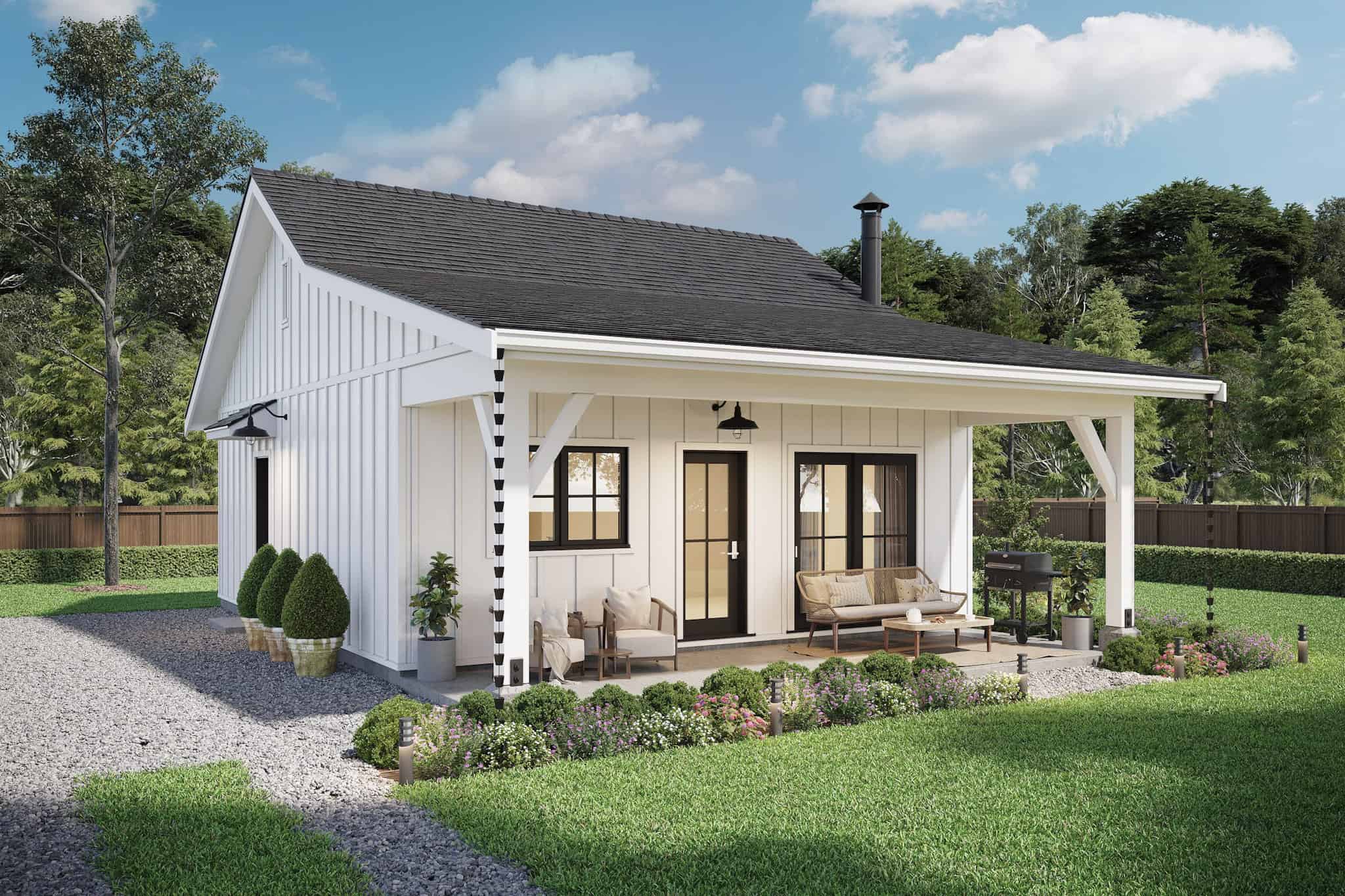
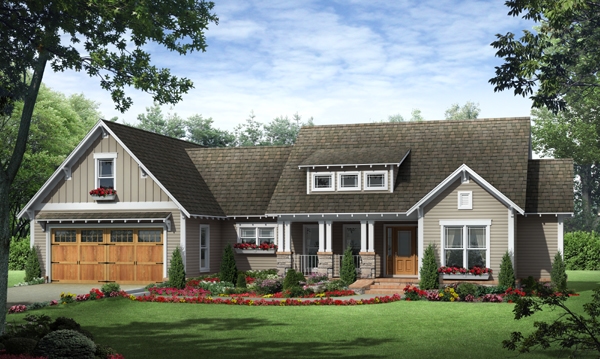
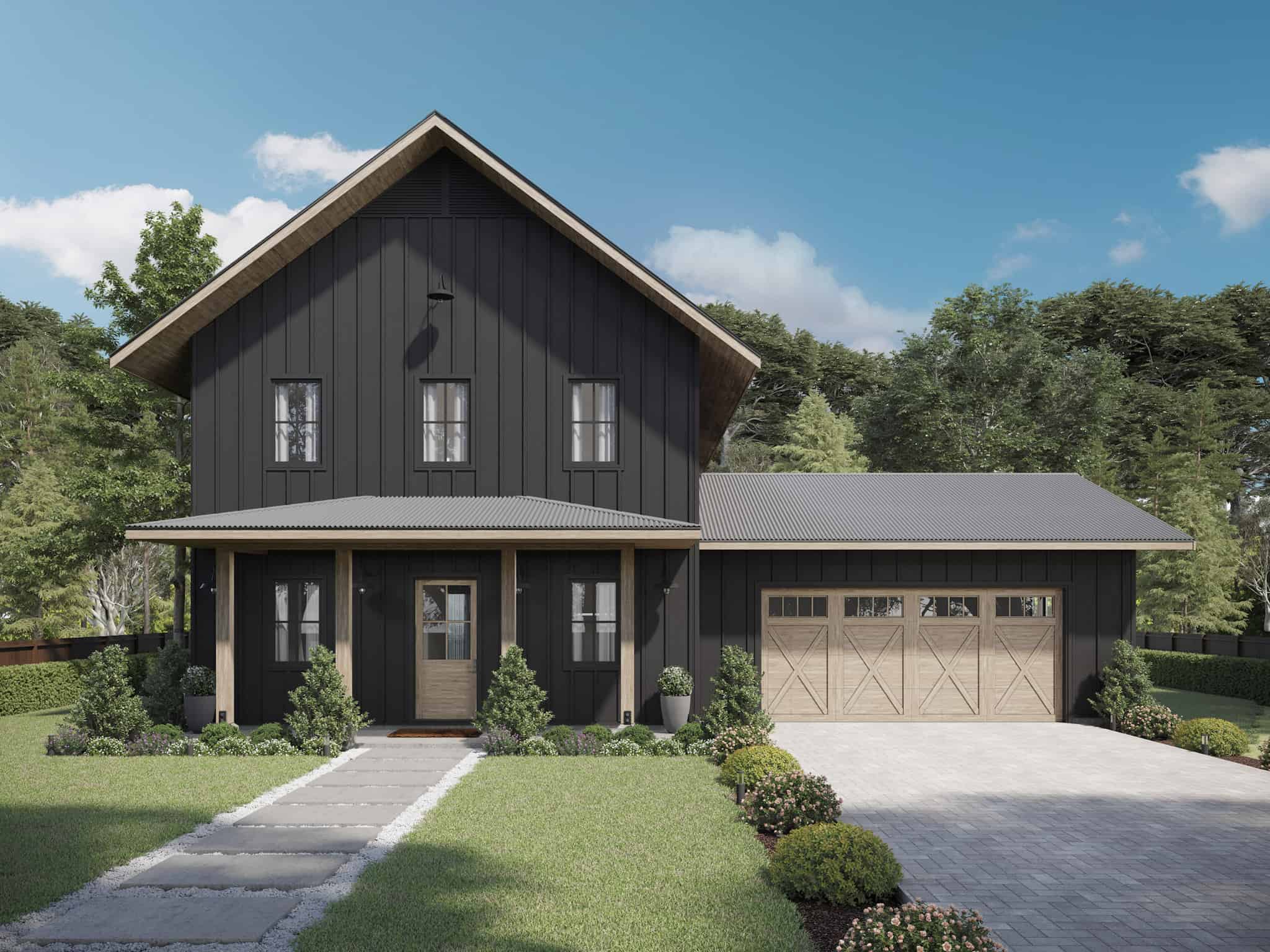
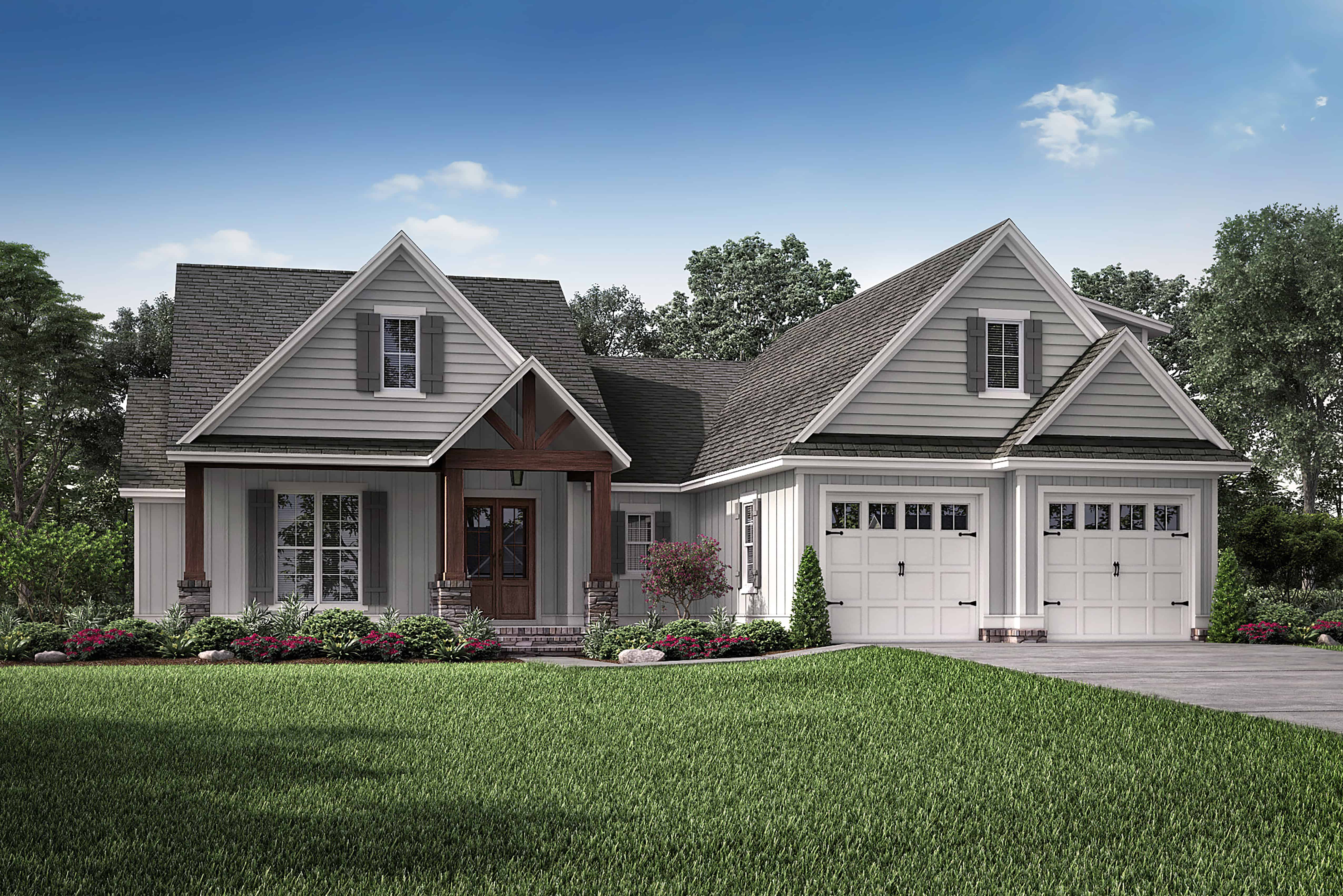
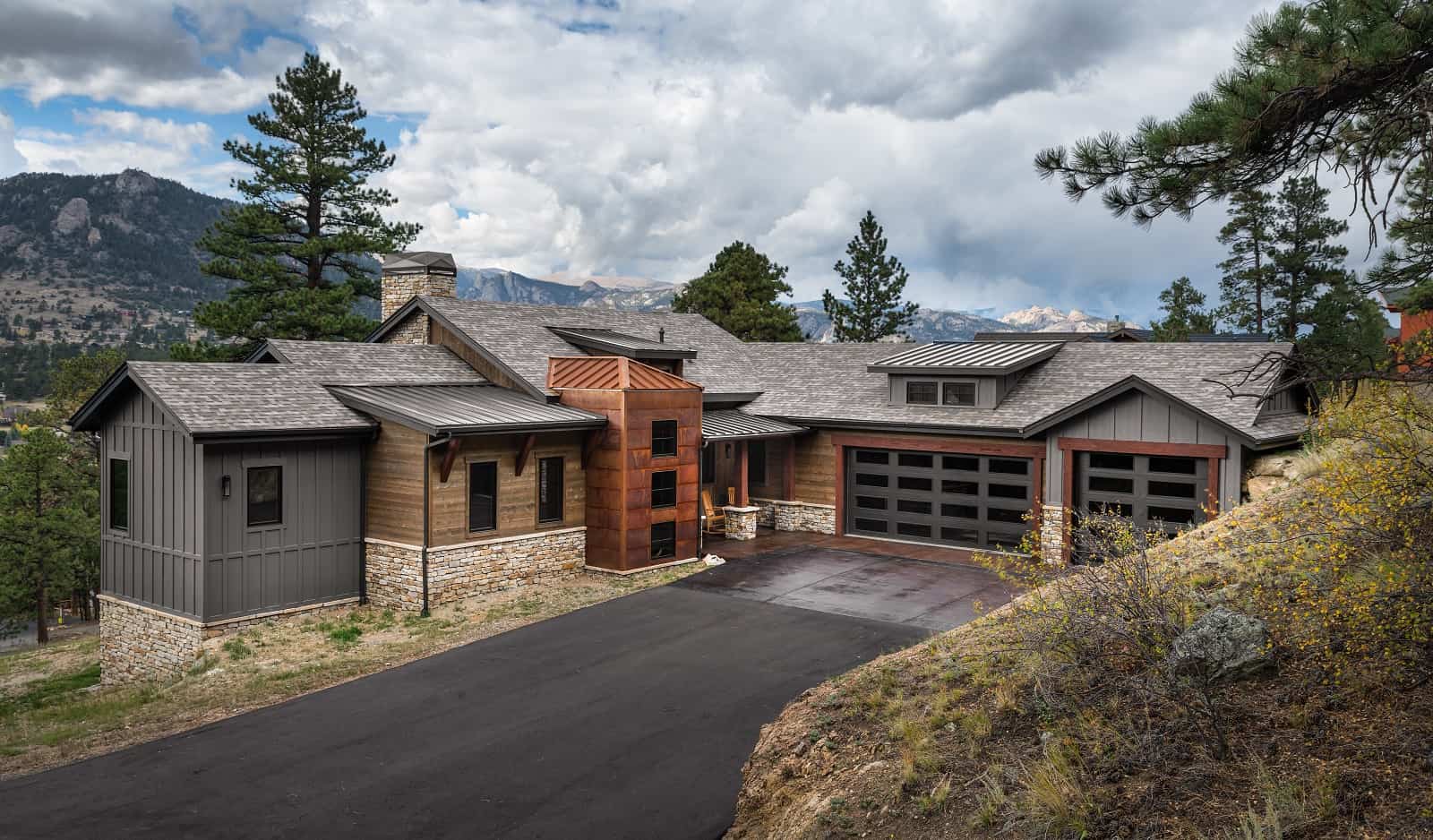
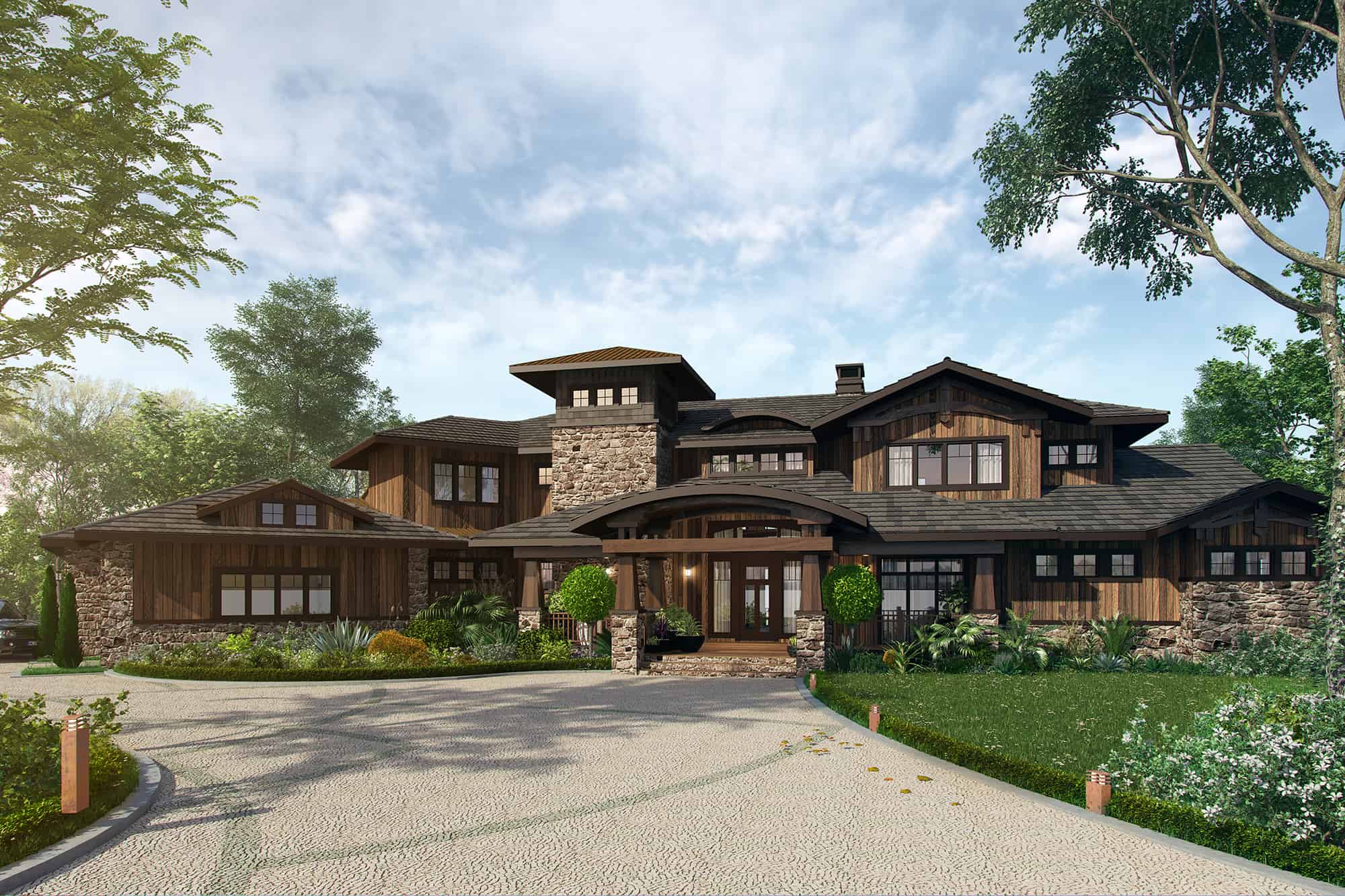
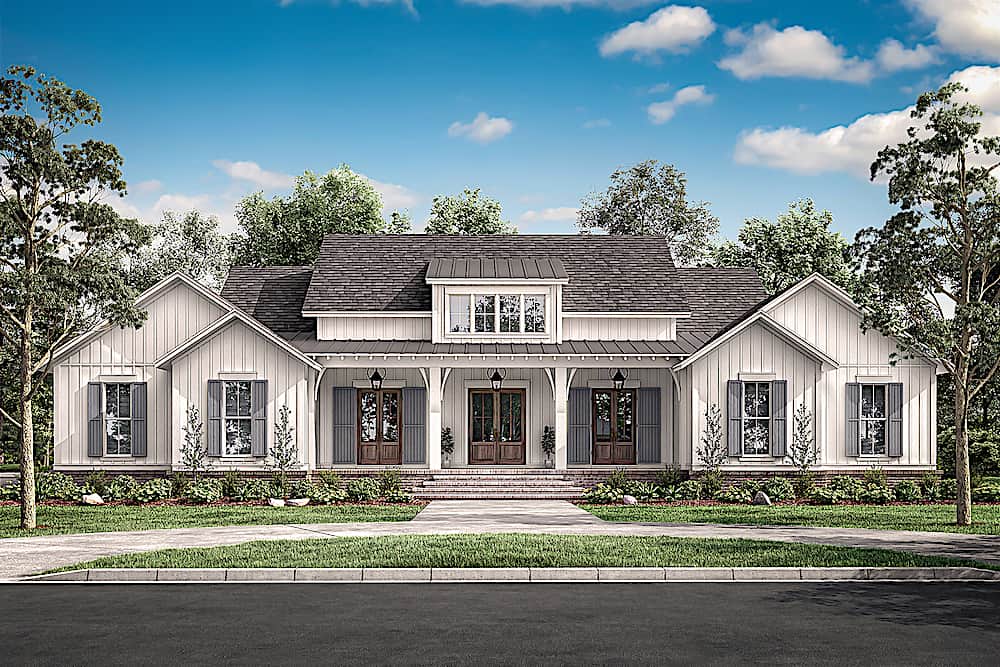


Arts and Crafts House Plans Video
The Plan Perspective
The Arts and Crafts Home Style: A Revival of Traditional and Artistic Craftsmanship
Simple Elegance and Beautiful Handicrafts Define the Arts & Crafts Home It was a philosophy that had a tremendous impact on American architecture. With the Industrial Revolution in full force in England, factories grew by the numbers, and mass production became the standard. A group of British artists and writers led by William Morris launched the Arts &Crafts Movement—which began in 1860 and lasted through 1930. This protest against the opulent Victorian Era and the machine-dominated Industrial Age reviv