Prairie Style Home Plans
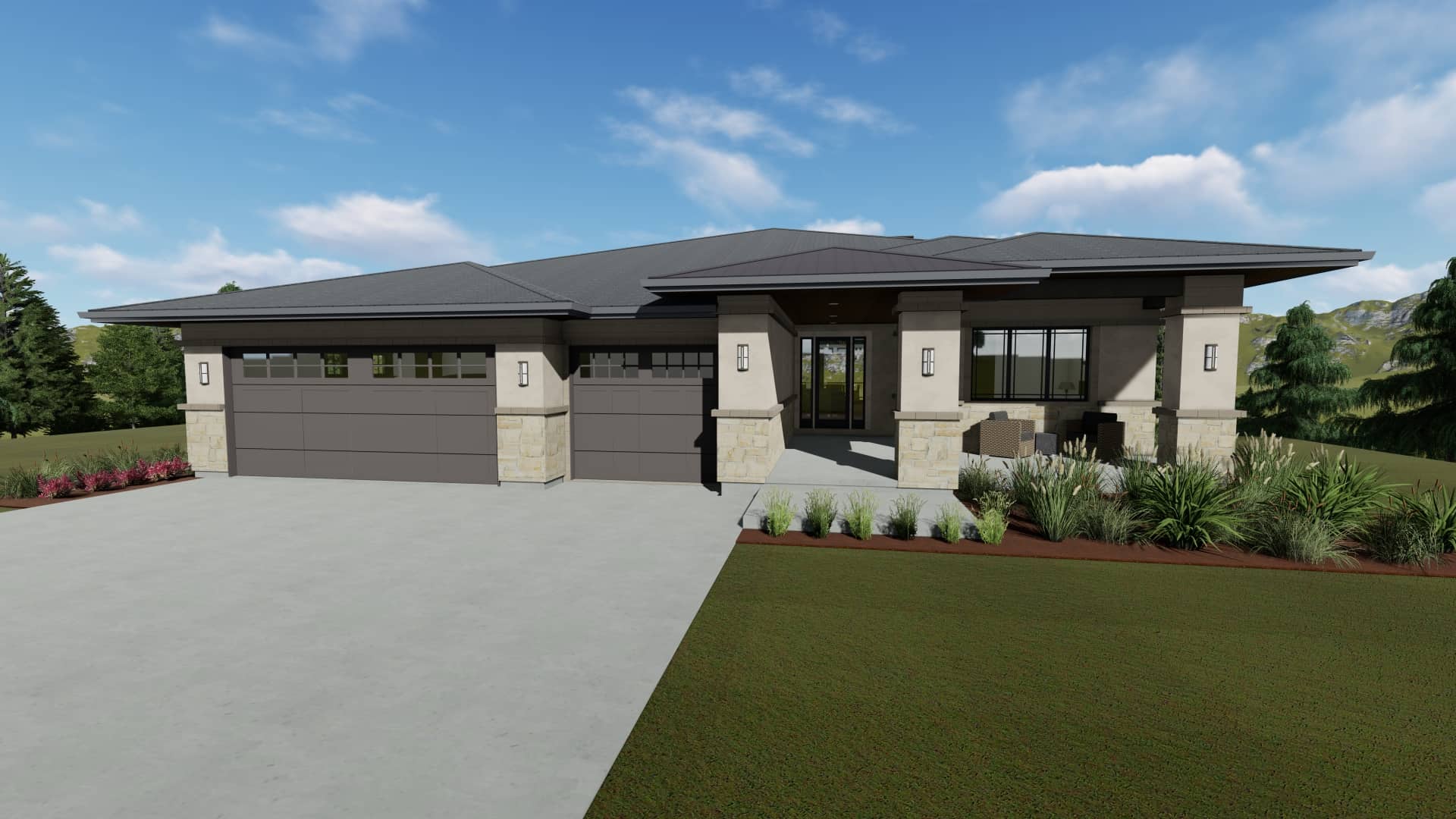
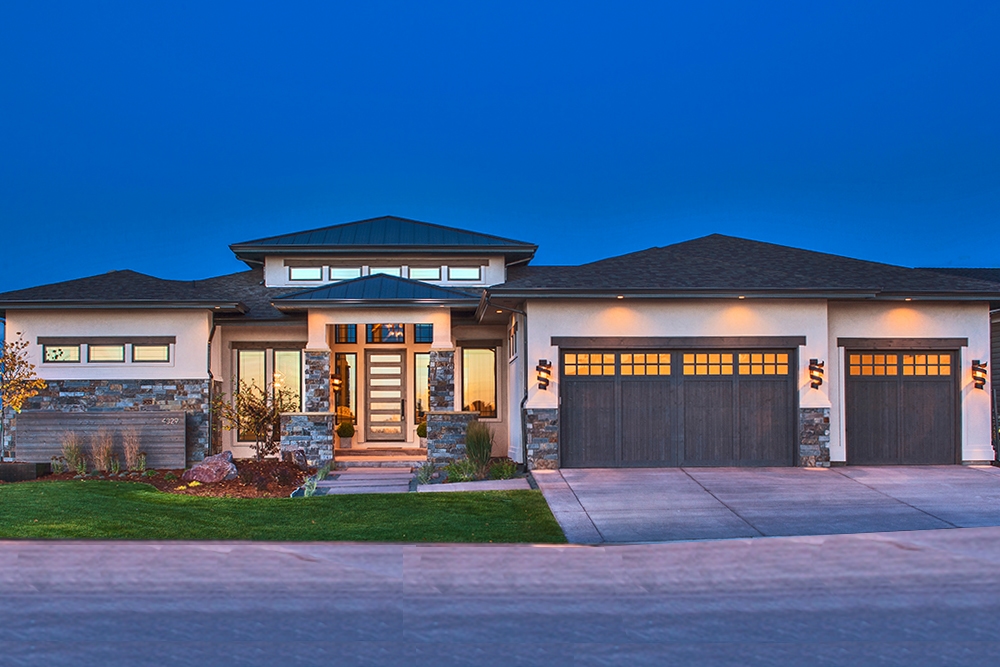
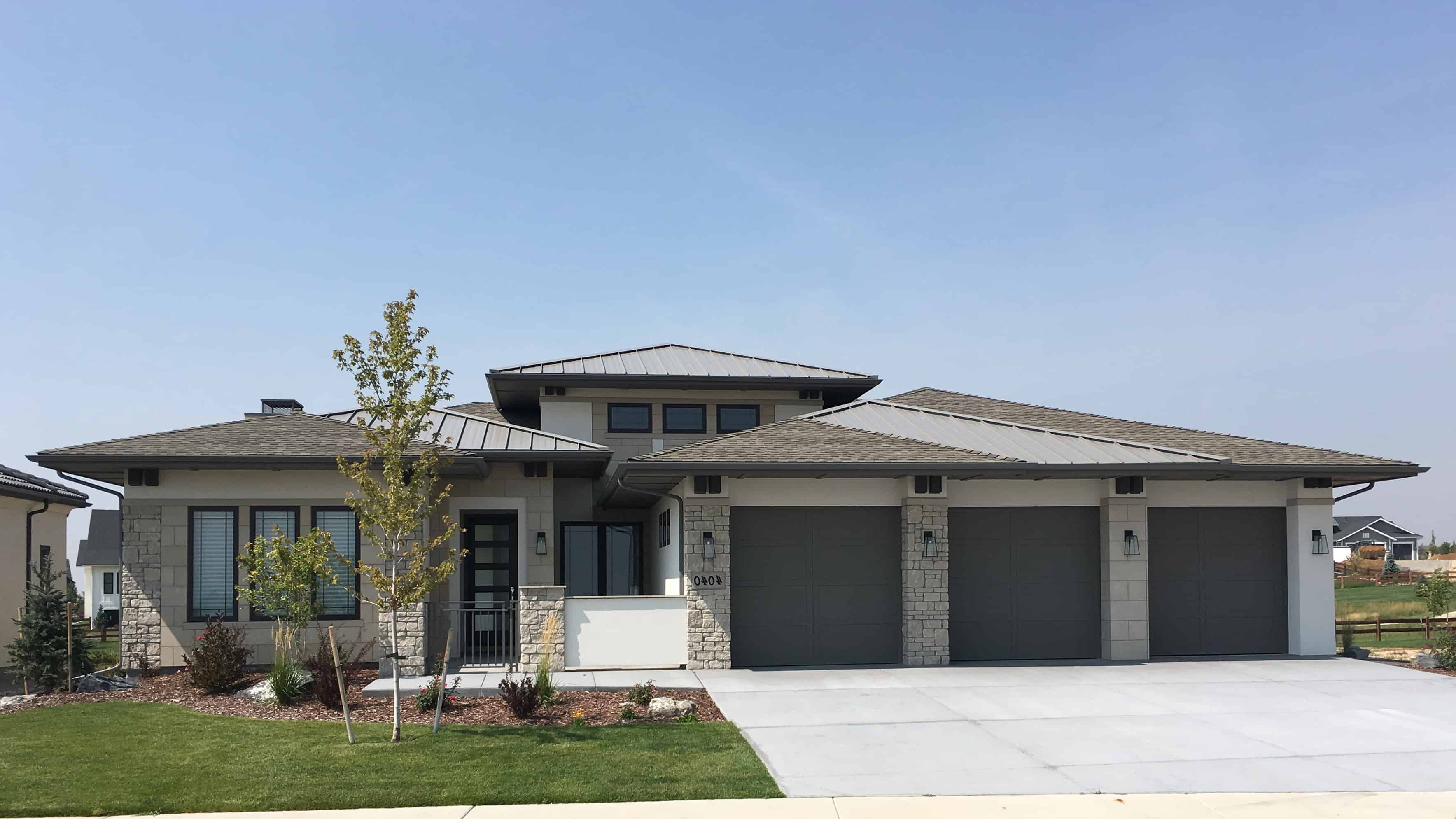
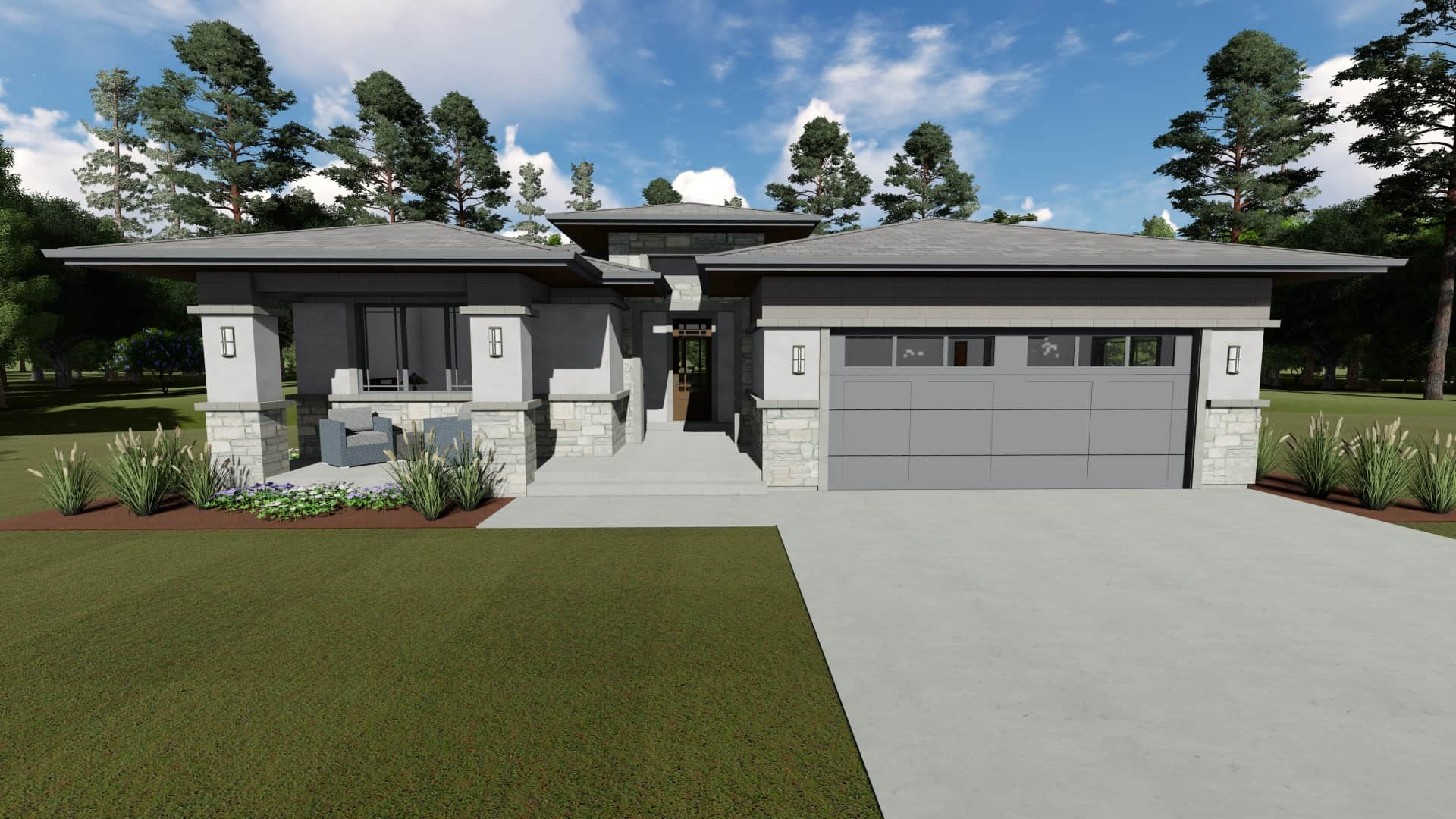
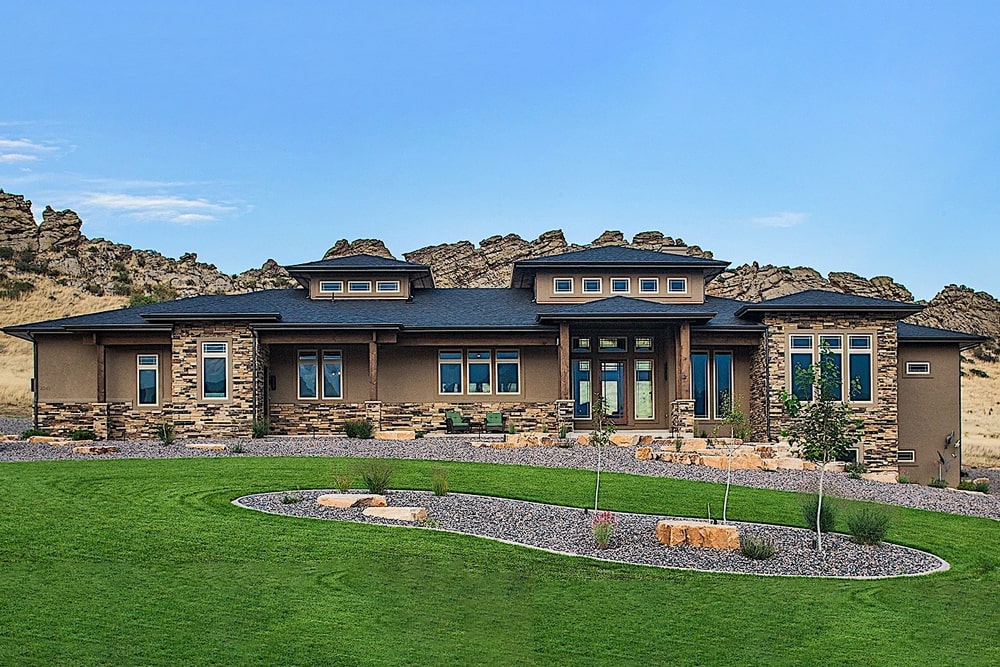
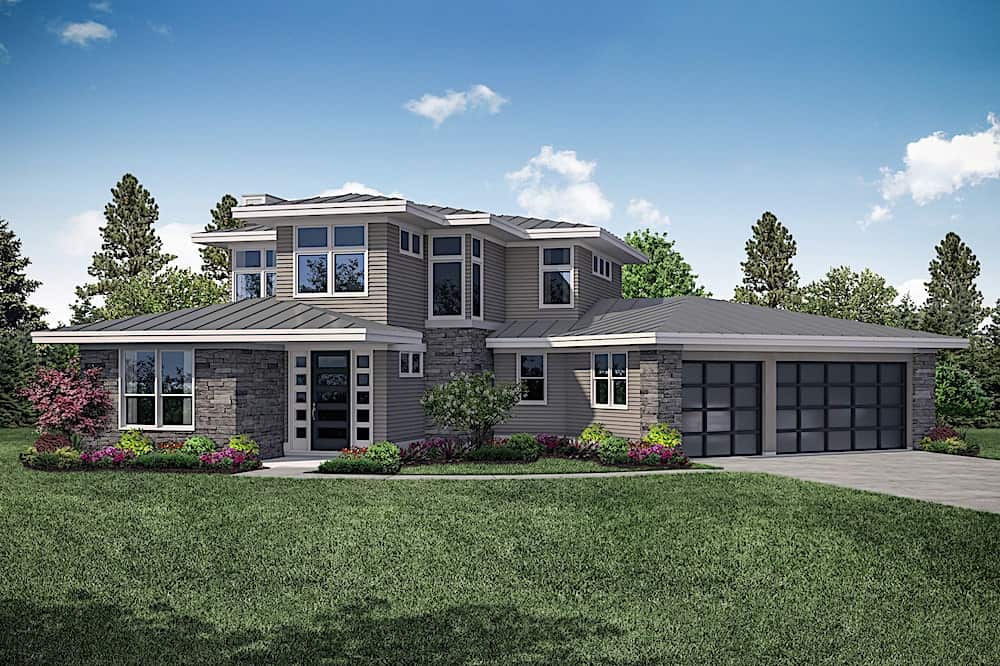
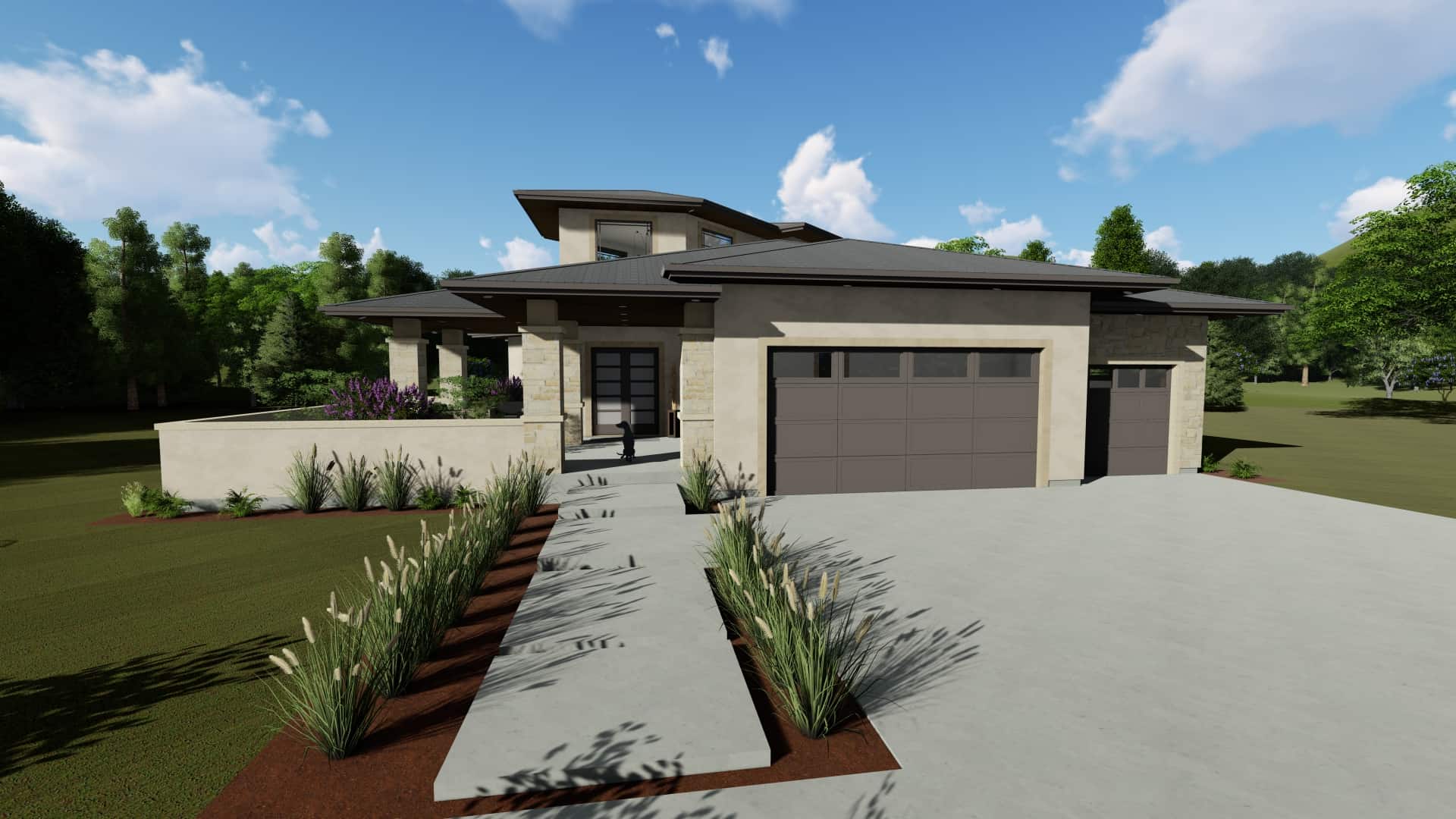
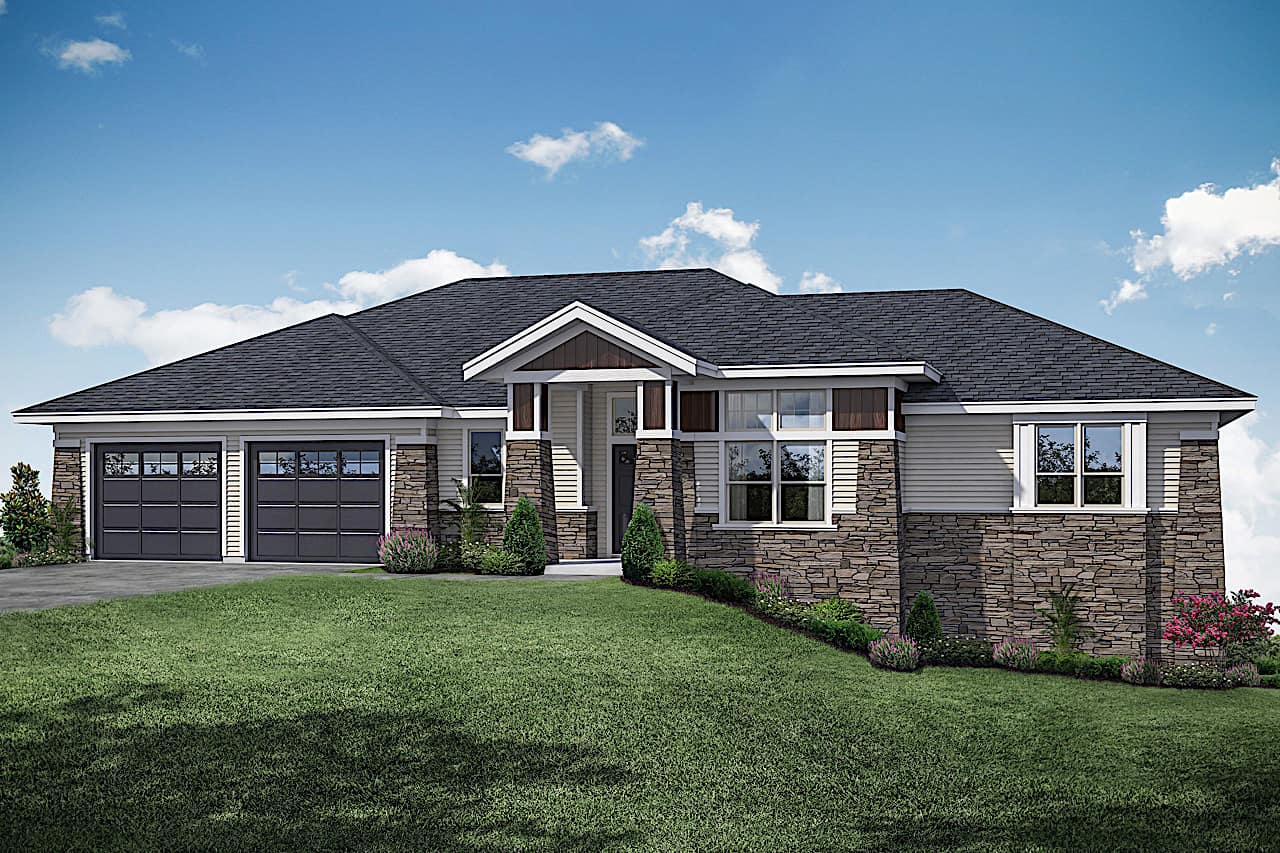
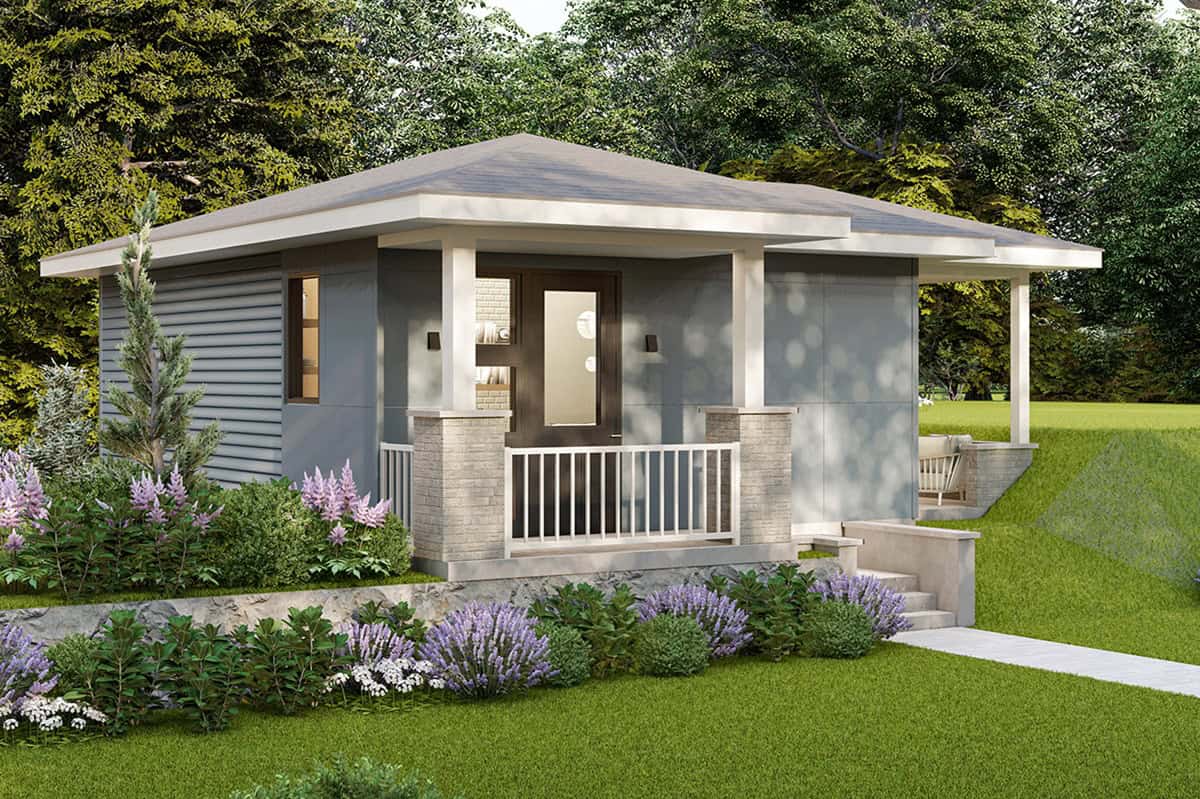
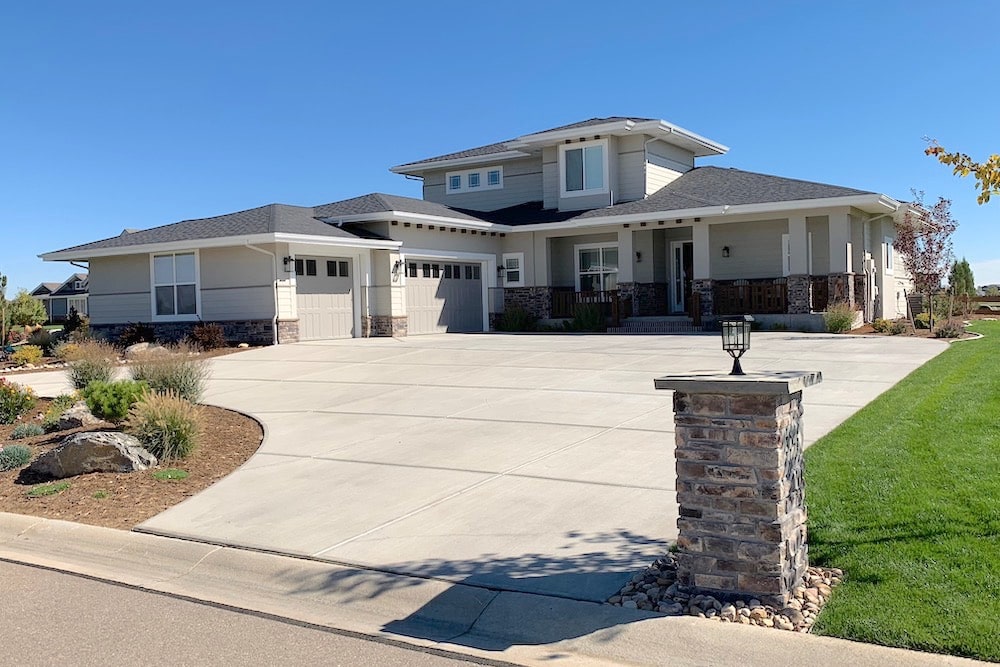
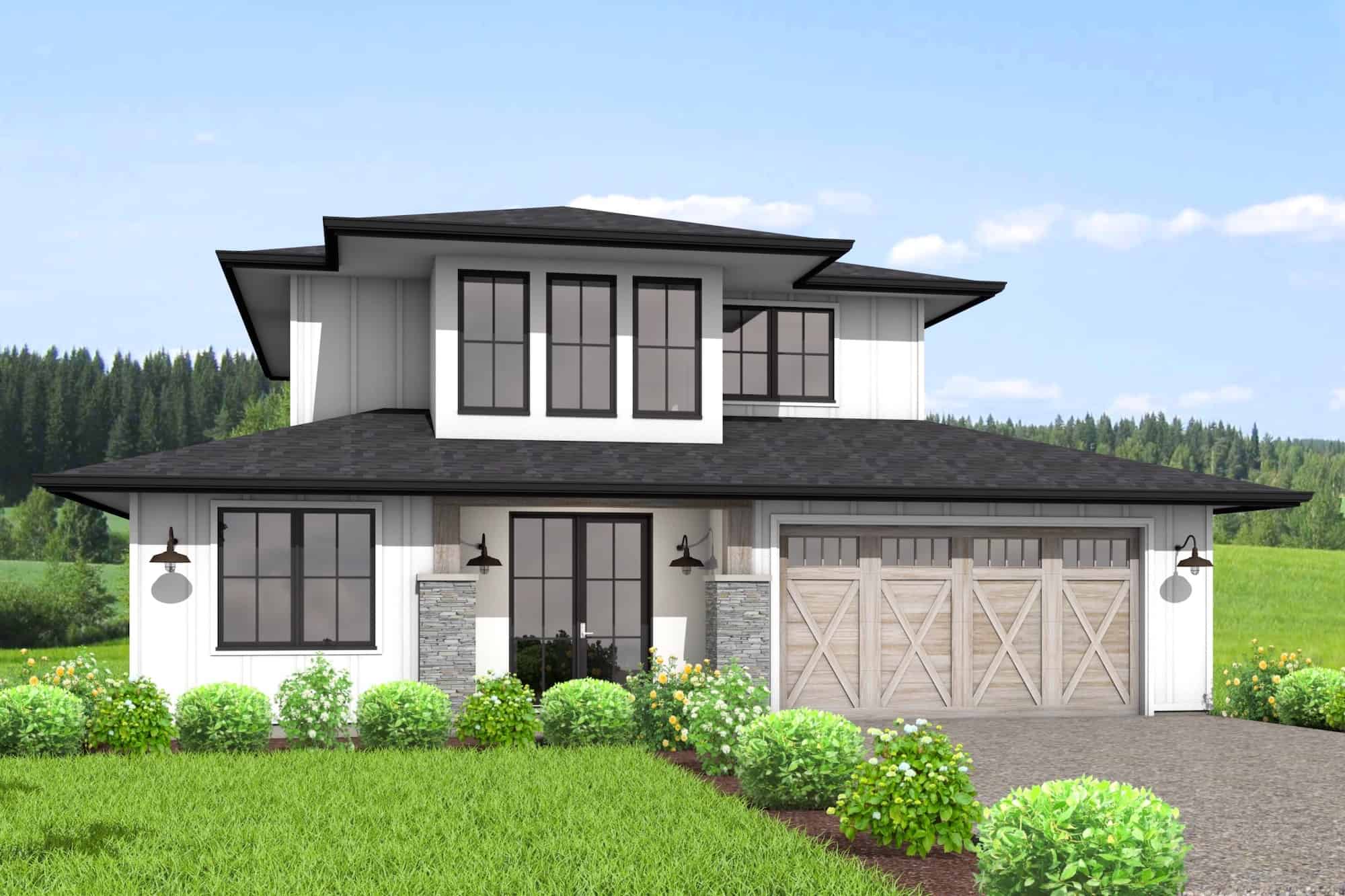
Prairie house plans are inspired by the straight lines of the horizon on a prairie and are meant to live in harmony with the environment. Created by architects including Frank Lloyd Wright, these homes are typically square in design and have shallow-pitch roofs with overhangs.
What to Look for in Prairie Home Designs
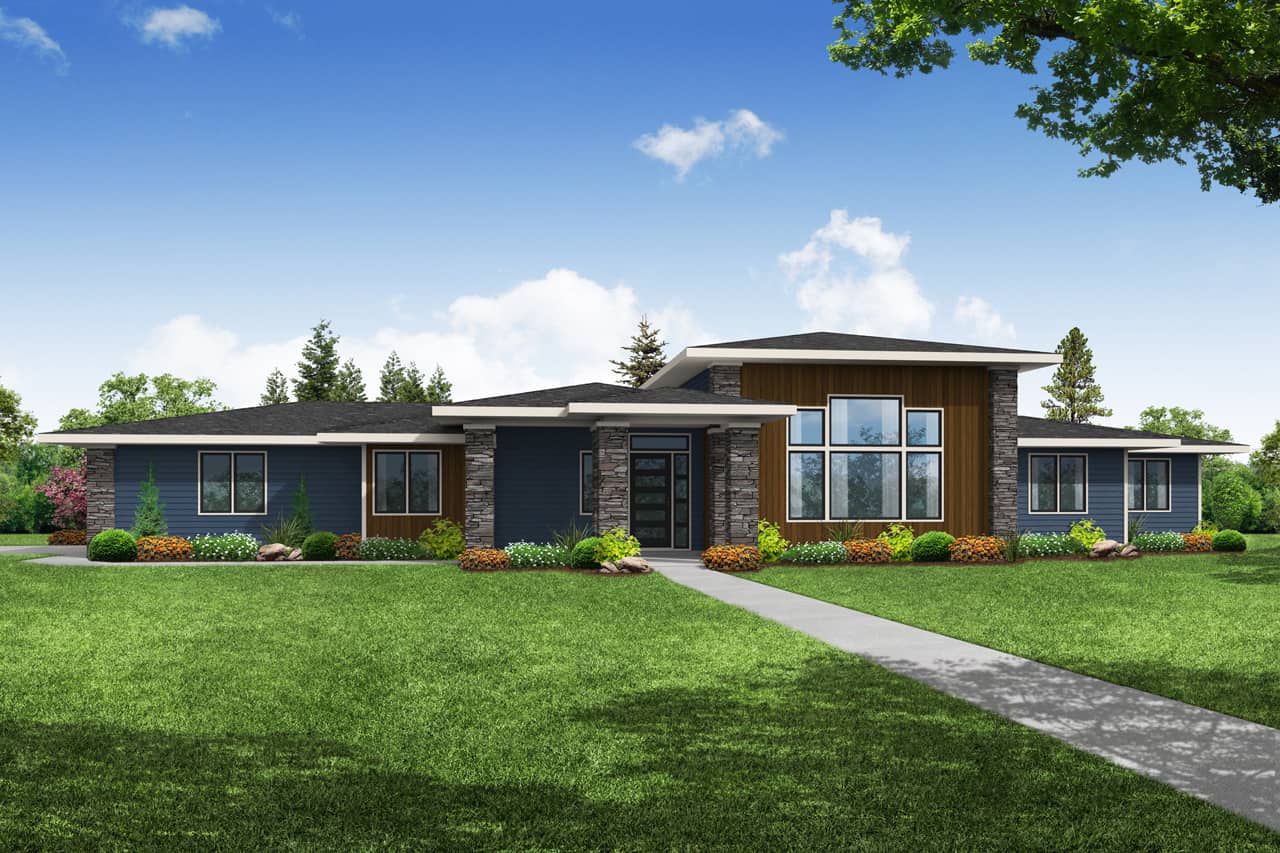
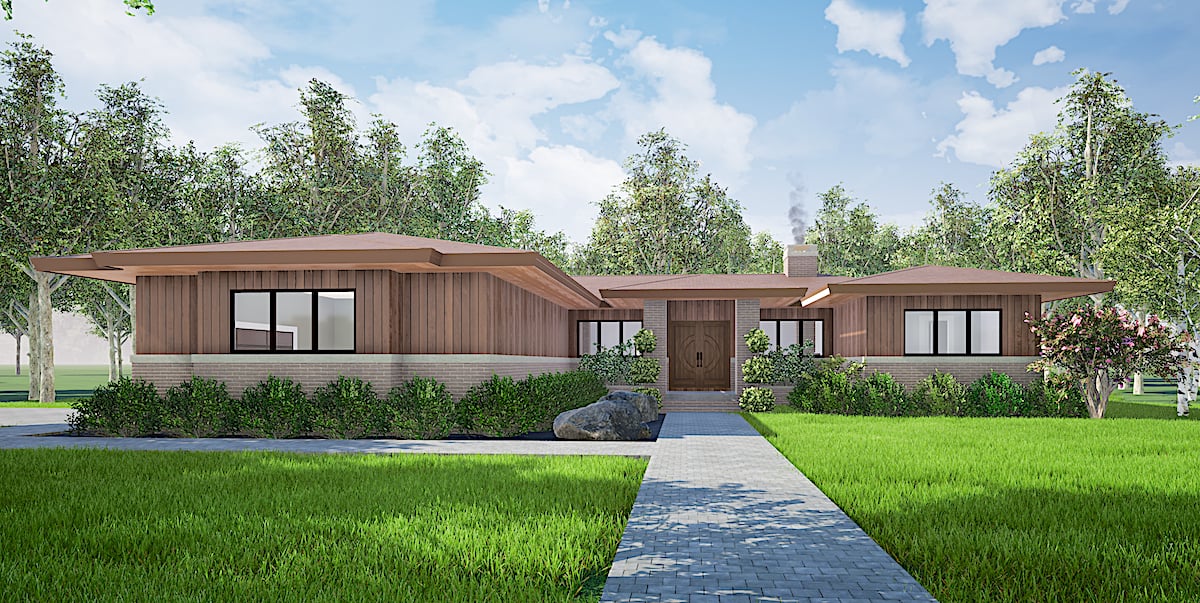
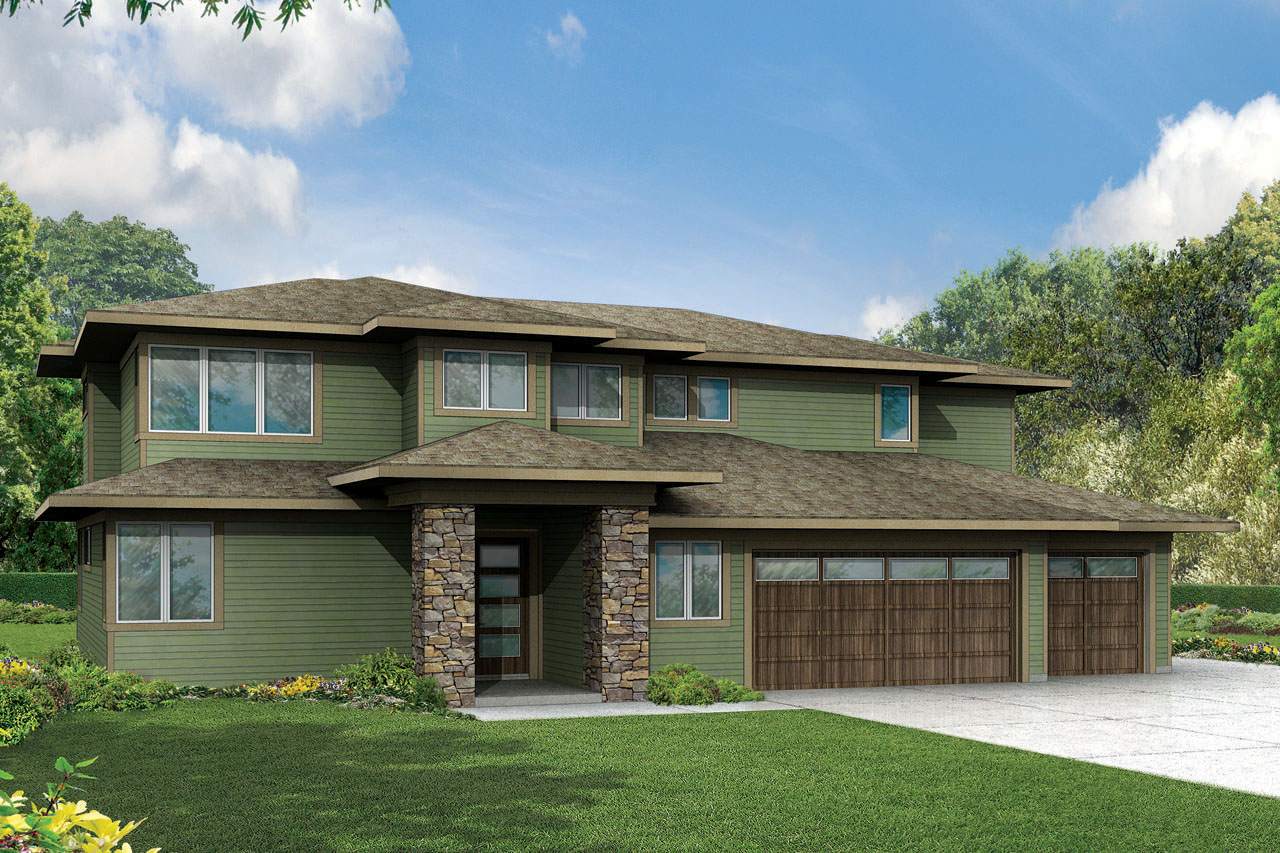
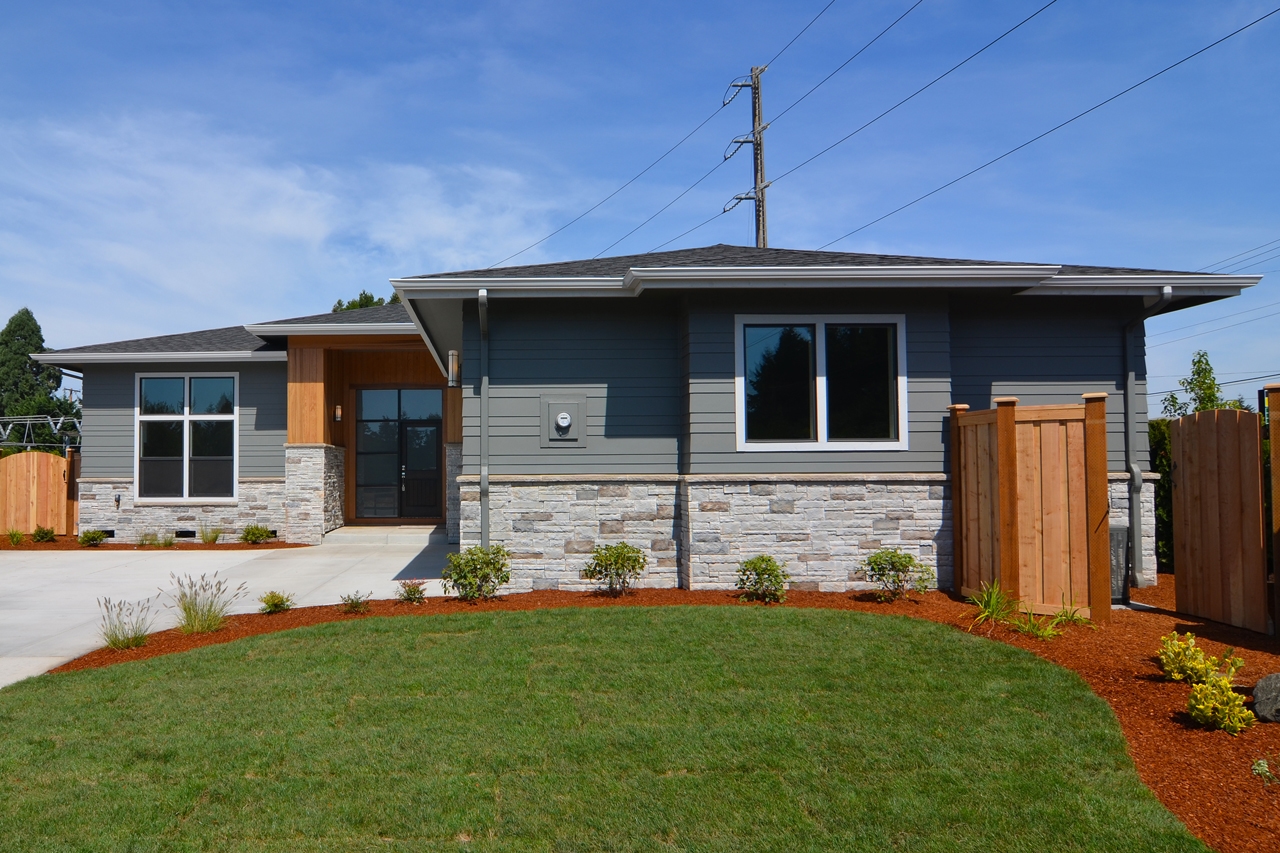
Characteristics of prairie style homes include:
- Simplistic square design
- Boxed shapes at varying heights and depths, giving the home a unique form
- Shallow-pitched hipped roofs with large overhangs that protect the home's interior from direct sunlight
- Large casement windows that provide plenty of daylight for a comfortable interior
- Siding most commonly of brick and clapboard.
Some other common details are rows of casement windows, one-story porches with massive square supports, and stylized floral and circular geometric terra-cotta or masonry ornamentation around doors, windows, and cornices.
History of Prairie Style
The Prairie School was a small group of architects dedicated to creating a new American architecture. Louis Henry Sullivan and Frank Lloyd Wright were the primary influences on prairie style homes. While Sullivan did not design residential homes (considered the father of the modern skyscraper), his philosophy of "form follows function" influenced young Frank Lloyd Wright and the other prairie style architects.
Wright apprenticed for six years with Sullivan, whose influence can be seen in his early work. Frank Lloyd Wright is the most well-known prairie-style architect. He and several other architects worked to develop a new American architecture independent of European influences.
To Frank Lloyd Wright, architecture that copied European styles such as Gothic, Greek, Tudor, or others was ill-suited to the American Midwest. He took inspiration from the flat, straight lines of the horizon on the prairie. This translated into homes that sit low on the horizon. His final project in Chicago was the Robie House. He said it was the finest example he had ever created of a prairie style home.
Some popular Prairie Style architects include:
- Frank Lloyd Wright
- George Washington
- Maher William
- Eugene Drummond
- Walter Burley Griffin
- William Gray Purcell
- Richard Ernest Schmidt
- Vernon Spencer Watson
Interested in prairie style house plans? Browse through our wide selection of homes, including modern prairie styles. Contact us if you have any questions before purchasing.
Plan Results




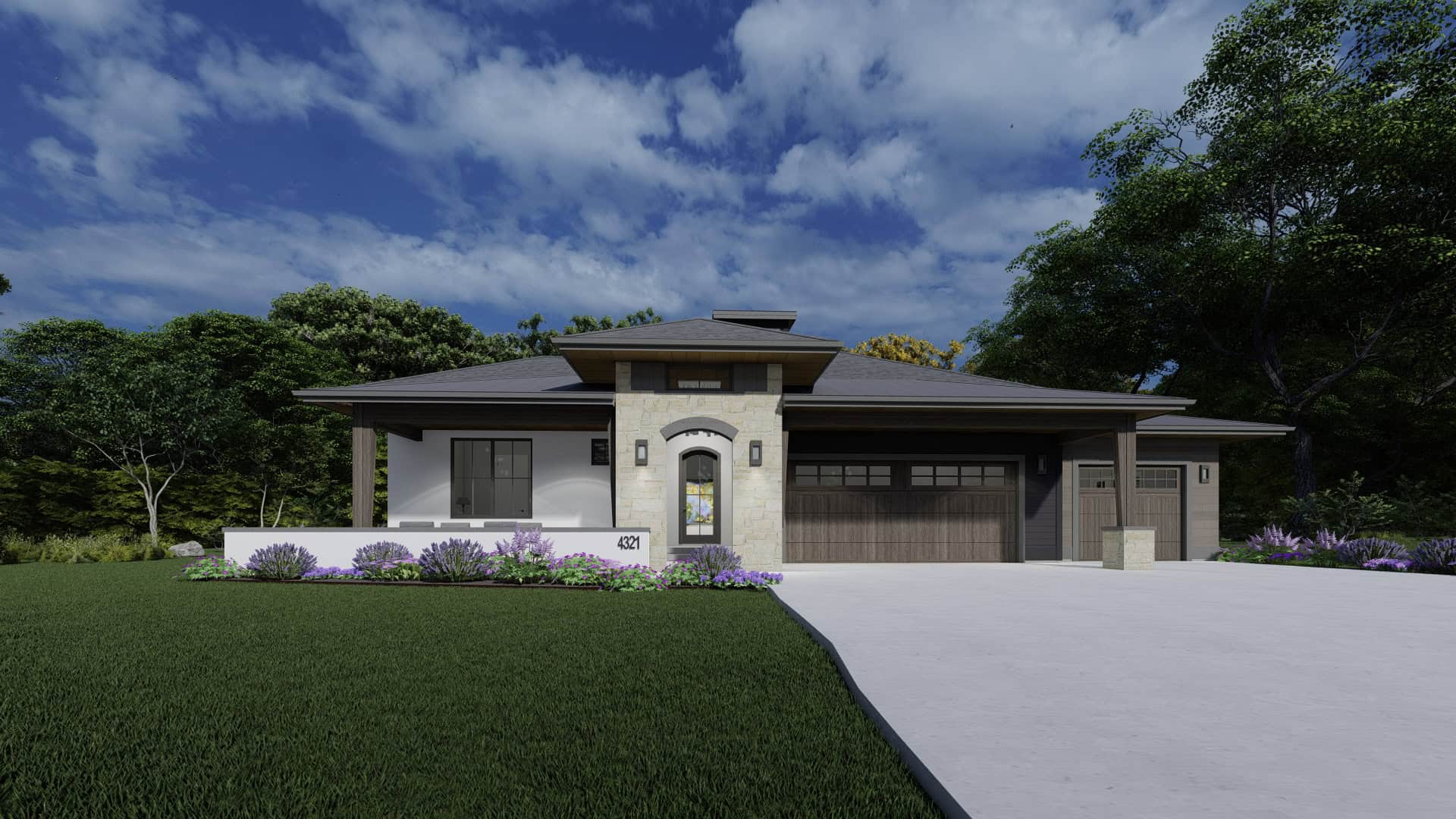
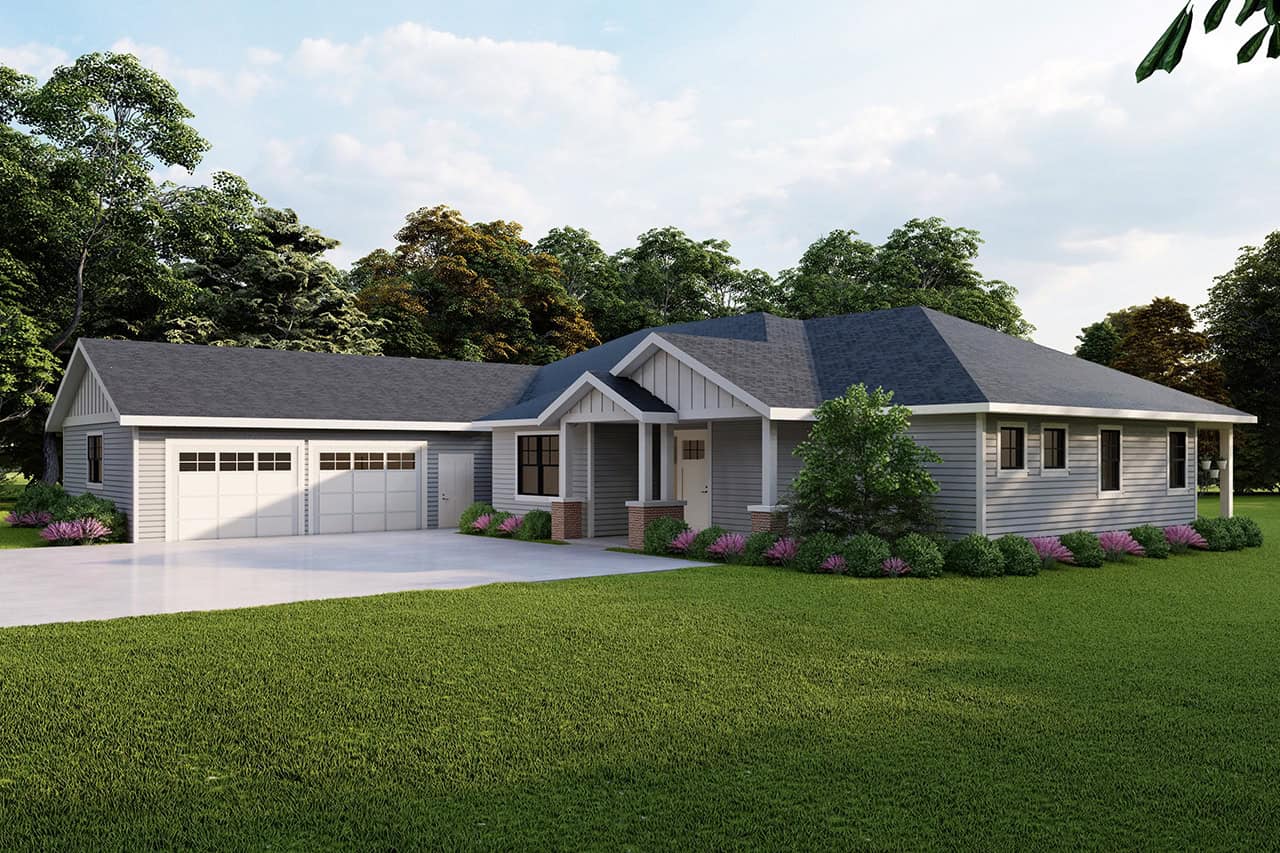
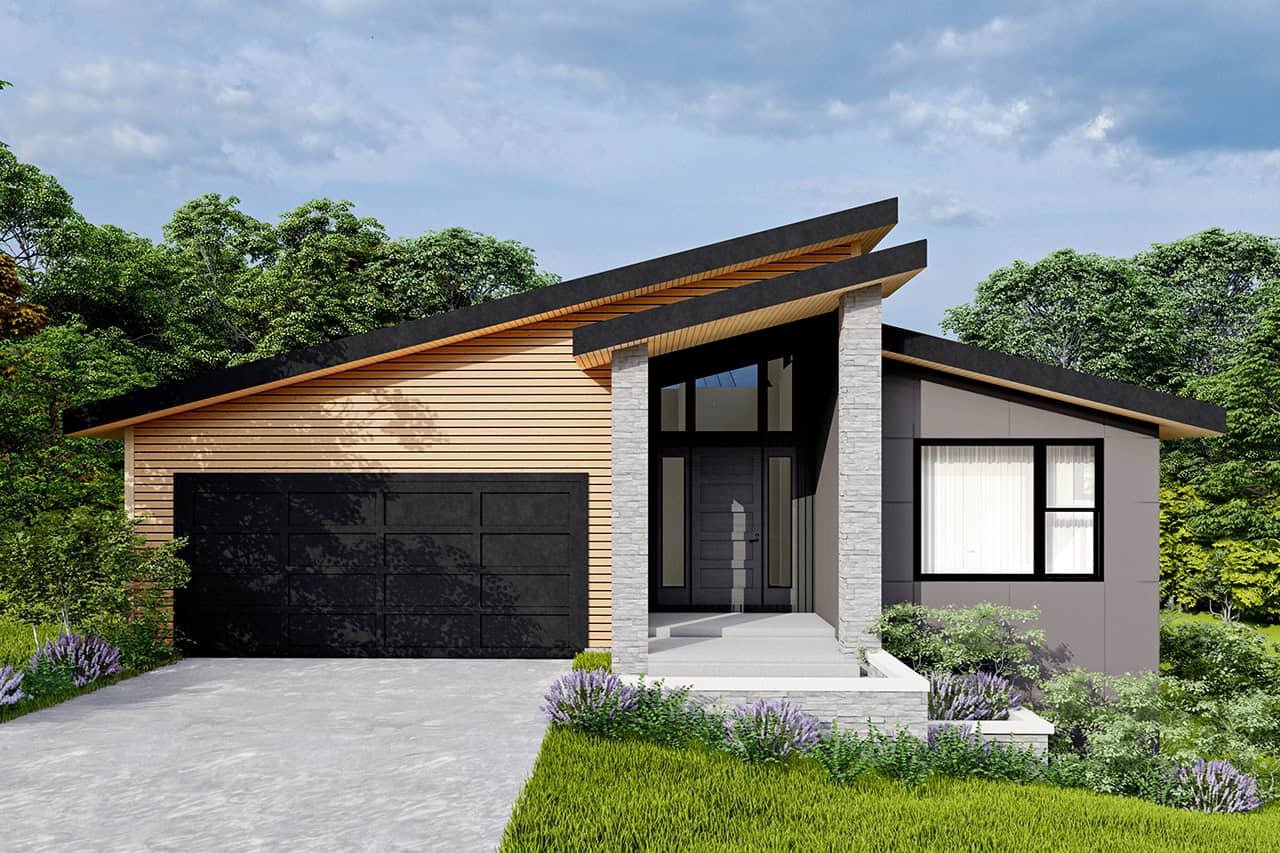
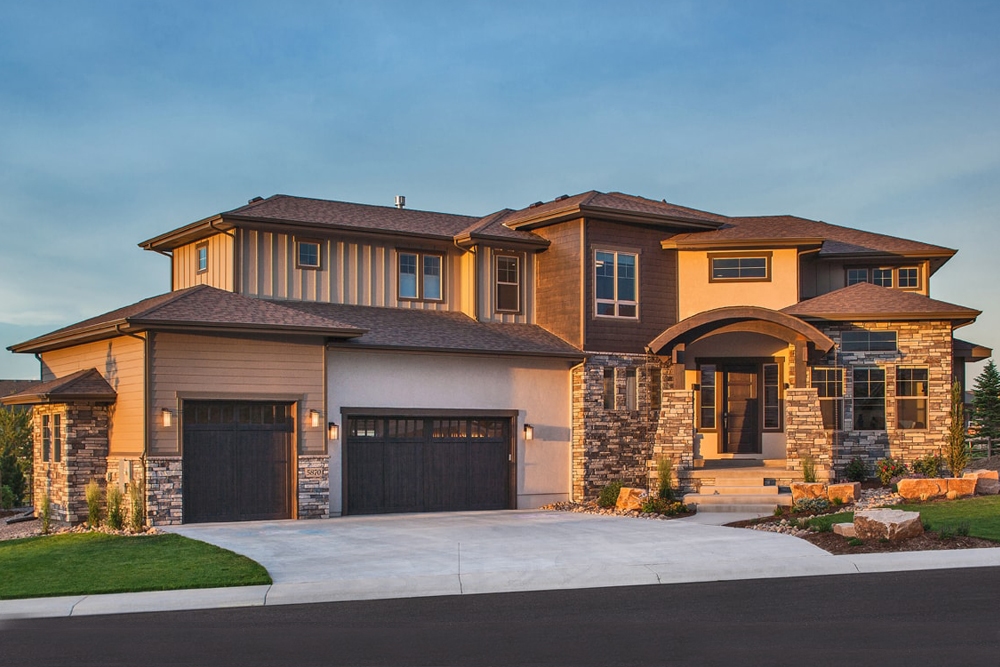


Prairie Style House Plans Video
The Plan Perspective
What You Need to Know About the Praire Style House
How America Was Inspired by the Chicago Worlds Fair and the "The Chicago Group" Who would have thought that the 1893 Chicago World’s Fair would lead to the birth of the first original American architectural design - the Prairie home plan? The World’s Fair was the perfect scenario to unveil new and innovative architecture. But the high expectations of young American architects were dashed when the Greco-Roman classic style continued to dominate. Although disappointed, these architects were inspired to b