|
|
|
|
|
|
ARTS AND CRAFTS HOUSE PLANS
|
|
|
|
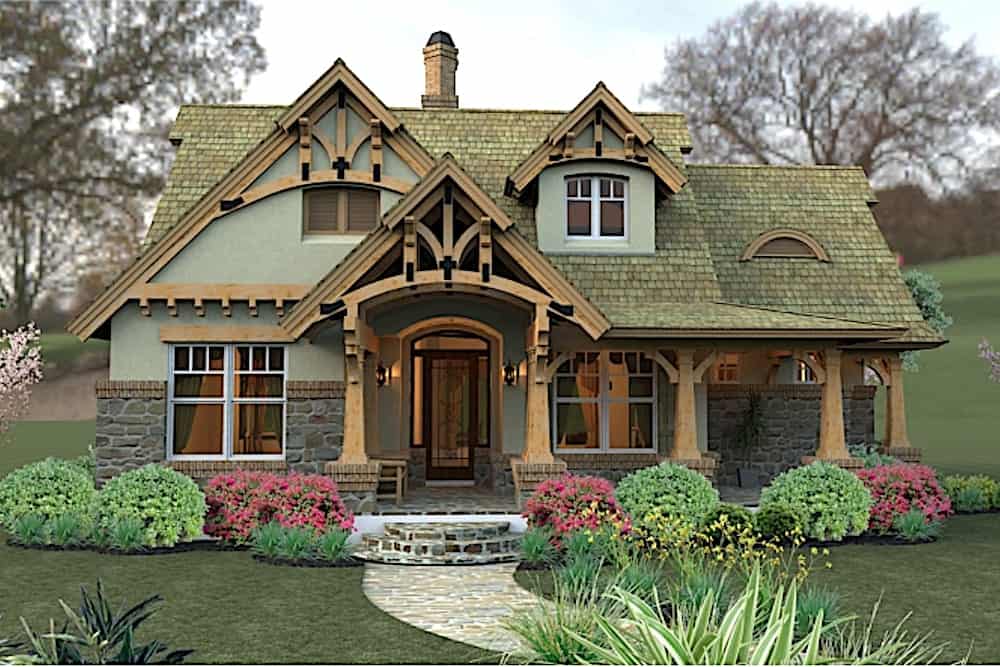
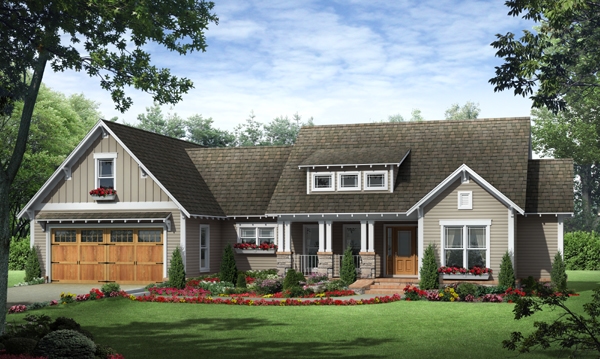
Featured Arts and Crafts House Plans #115-1065
|
|
|
|
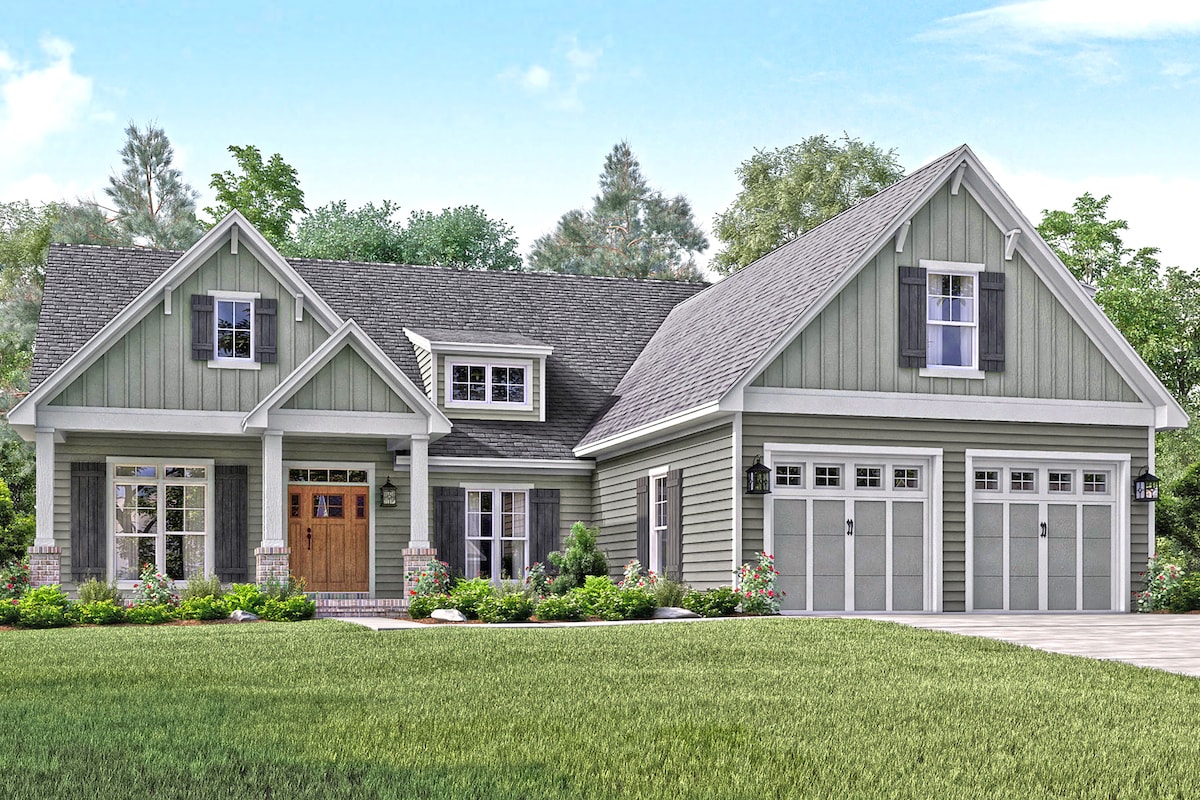
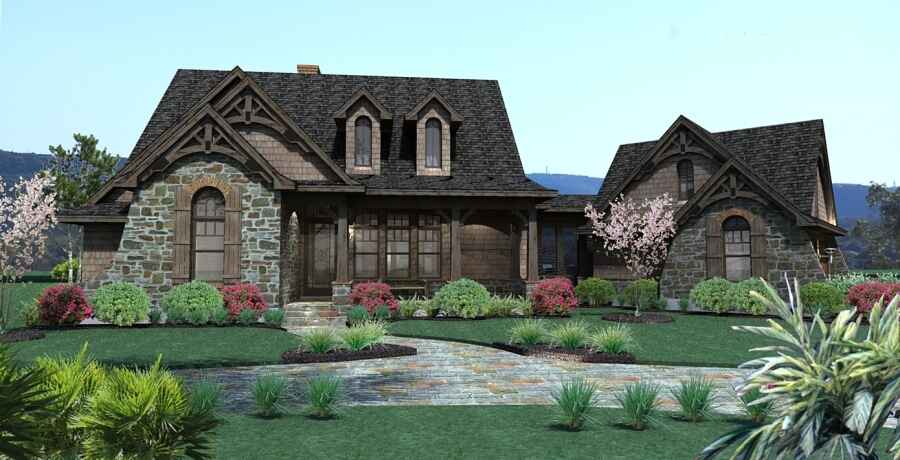
This beautiful arts and crafts house plan has a nice family room with a fireplace where you can sit and enjoy reading a good book by. The kitchen is very open and allows plenty of room for cooking. There is the convenience of a powder room for your guests to freshen up on the main floor. Upstairs you have a pleasant and relaxing master bedroom to enjoy yourself in. In the master suite you have a master bath along with a walk-in closet.
Find out more about this house plan
|
|
|
|
|
|
|
|
View Additional Images (click image to enlarge)
|
|
|
|
|
ARTS AND CRAFTS HOUSE PLANS
DEFINITION
|
|
|
The Arts and Crafts house design movement began in Britain in the late 1800s. The ornate opulence of the Victorian period paired with the dehumanization of the Industrial Revolution prompted William Morris, an artist, poet, and social reformer to fight for a return to hand-hewn craftsmanship. He favored simplicity, good craftsmanship and good design (Cummings, 2007). The British movement had a focus on handicrafts, and spurned mass-produced reproductions, instead hoping to elevate craftsmen to the level of artists (with accompanying pay). There were accompanying movements in a number of other countries. In France, it was called the Art Nouveaux movement; in Germany, Jugendstil.
The movement in America was led by Gustav Stickley. Gustav Stickley owned a furniture company in New York, and was influenced by British reformers such as William Morris. He published an illustrated monthly magazine called The Craftsman from 1901 to 1916 that promoted the ideals of the Arts and Crafts movement in America. His book, Craftsman Homes (1909) is a collection of designs from the periodical. There are architectural drawings, descriptions on construction techniques, furniture designs, and more for dozens of craftsman style homes. Essays on the art of home building, simplification of life, and the craftsman ideals promote beauty, creativity, and simplicity in life. These ideals inspired a young Frank Lloyd Wright who used these principles to found the Prairie Style.
Arts & Crafts Sub-types
In America, regional representations of the Arts and Crafts emerged. The emphasis on local crafts paired with the diversity in climate and culture across America created a variety of styles.
Prairie School
In the early 1900s, Frank Lloyd Wright began designing homes to connect with their natural environment. He designed homes influenced by the long, straight horizons and flat lines in the prairie. His designs would not only include the home, itself, but also the furniture and textiles.
California Mission
The mission style was based on simple adobe mission churches, and incorporated the American Arts and Crafts hand-hewn emphasis on emphasizing form and natural woods.
Bungalow Style
The Bungalow Style was one of the first steps toward the modern Ranch home (Stermitz, 2007). The house has a horizontal layout without space for servants. The workspace for the woman was functional and the hearth was designed to be the center of the home.
American Foursquare
This practical, boxy, two-and-a-half story home usually had four rooms to a floor and a large front porch (Wikipedia Contributors, 2007). The shape was intended to sit comfortably on small urban lots. Built in cabinetry and Craftsman style woodwork were common.
Characteristics of Arts & Crafts Homes
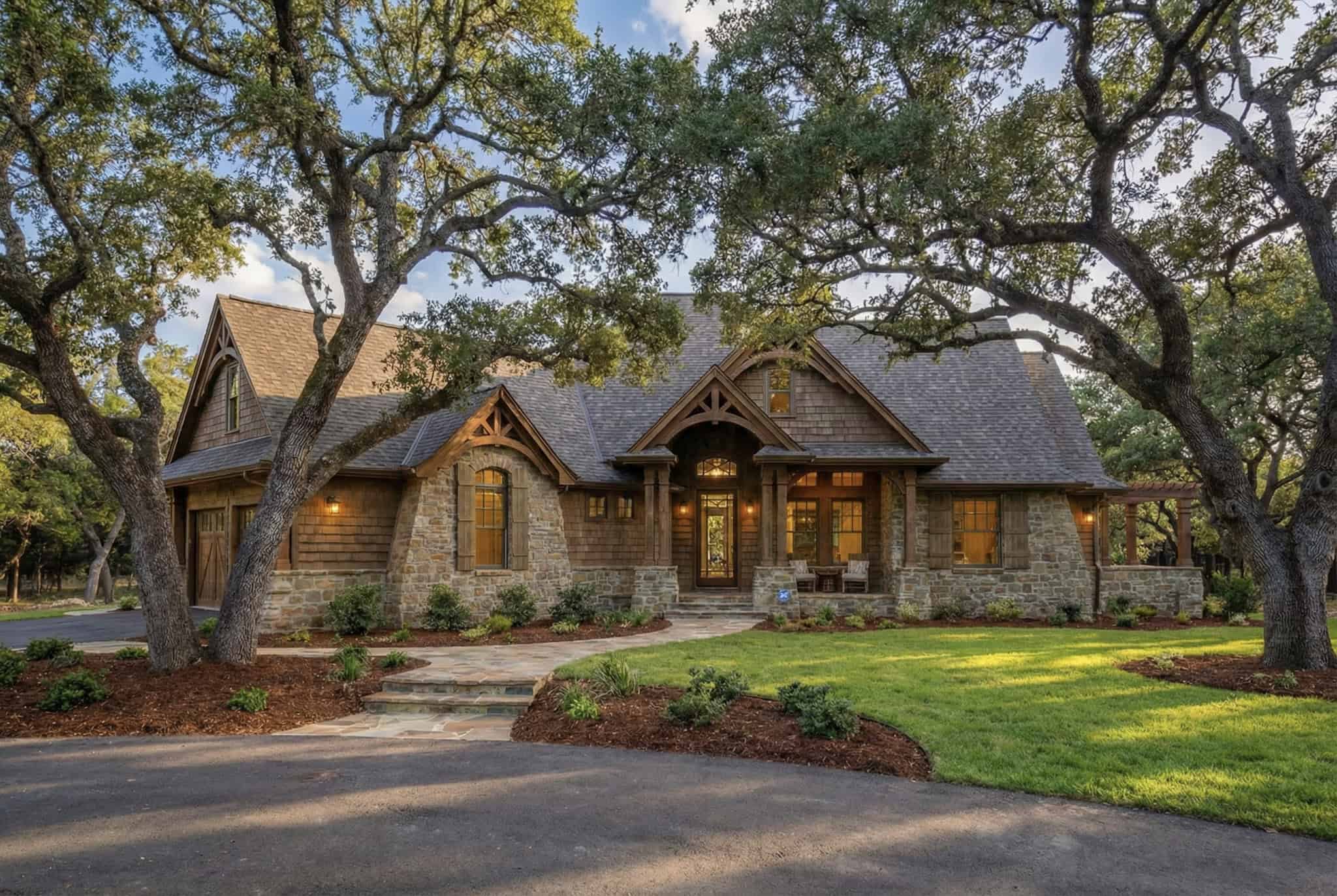
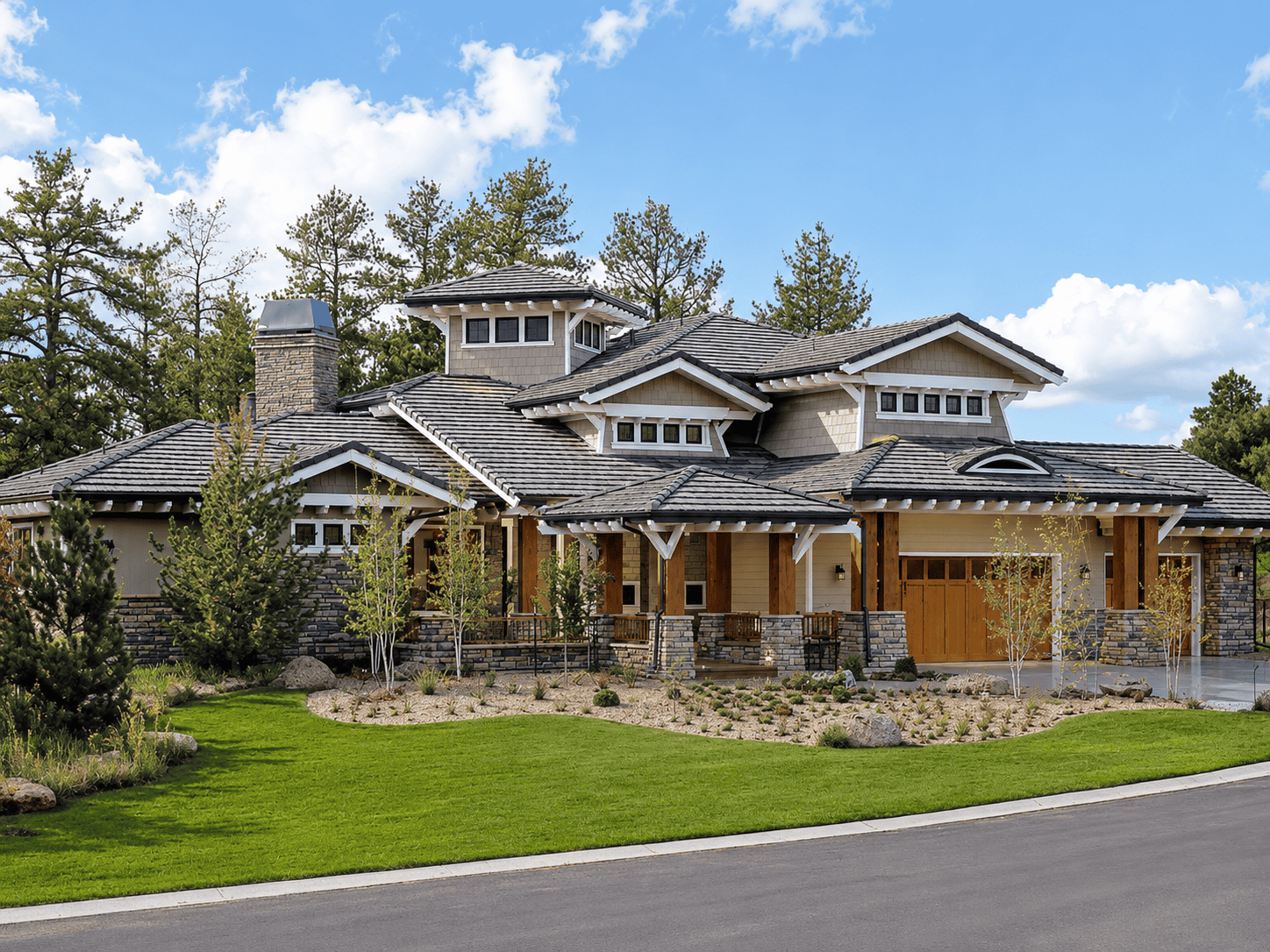
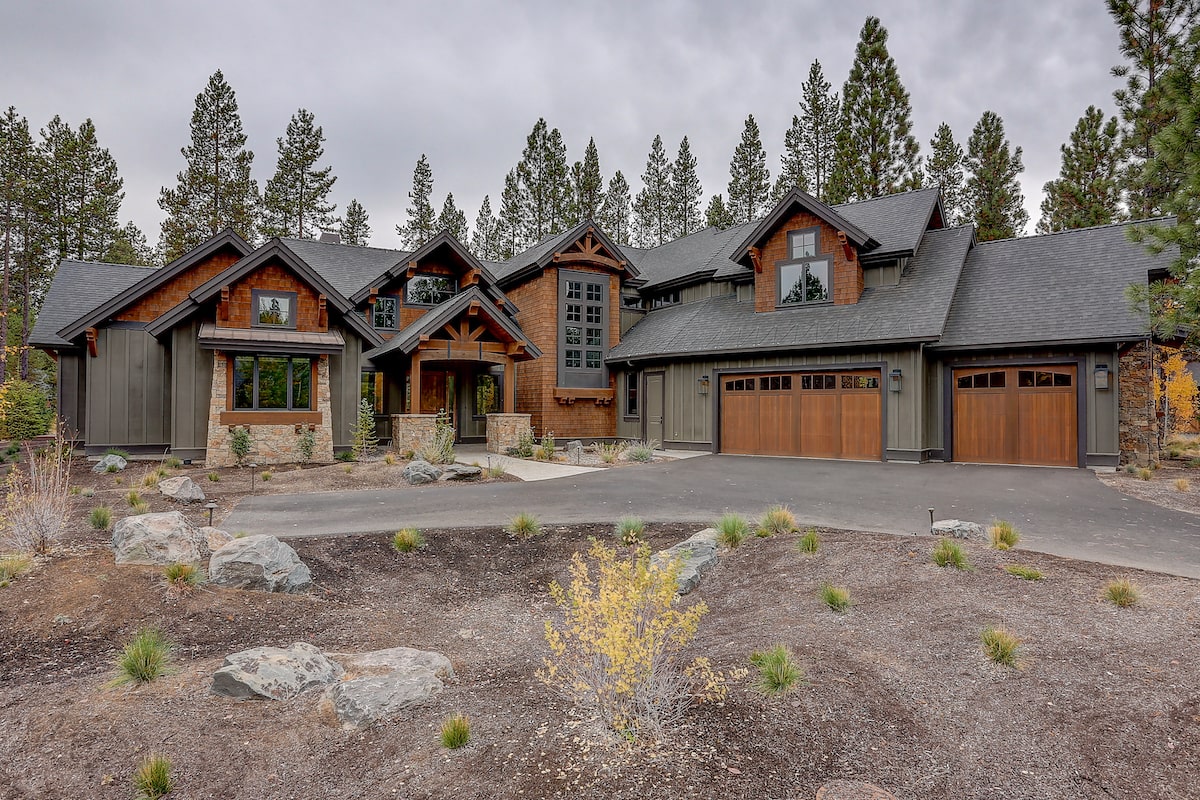
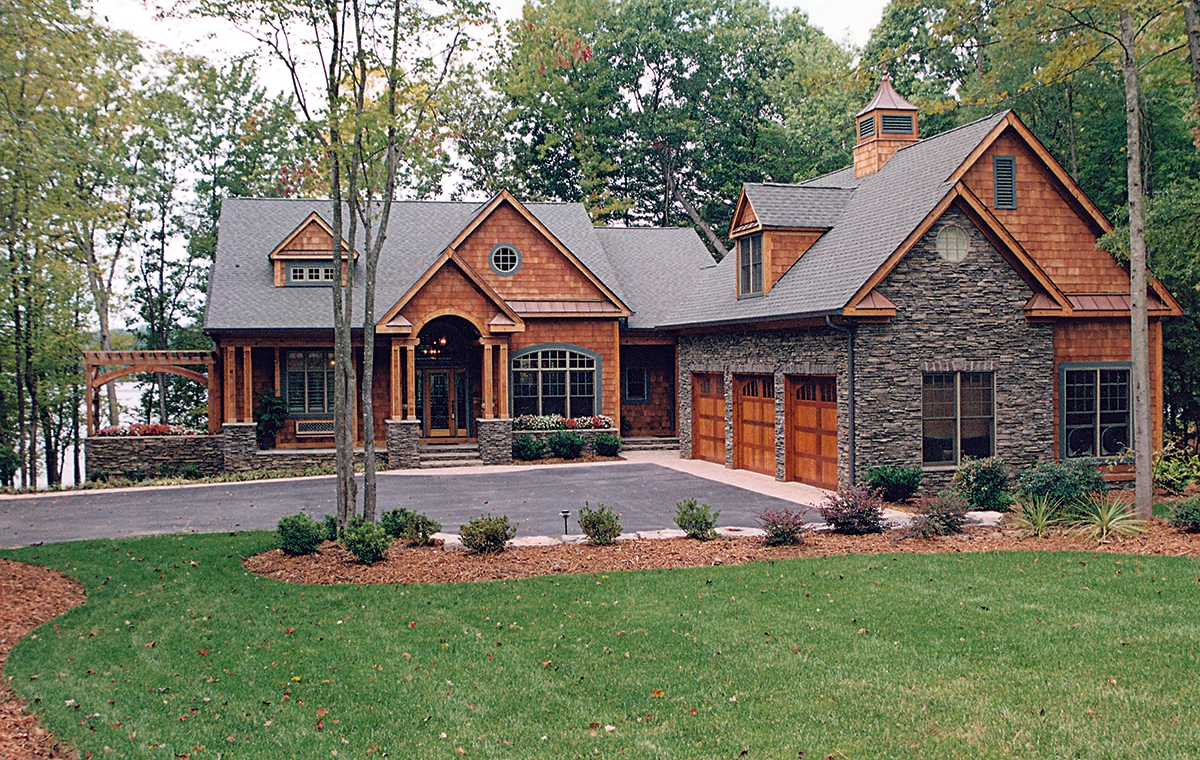
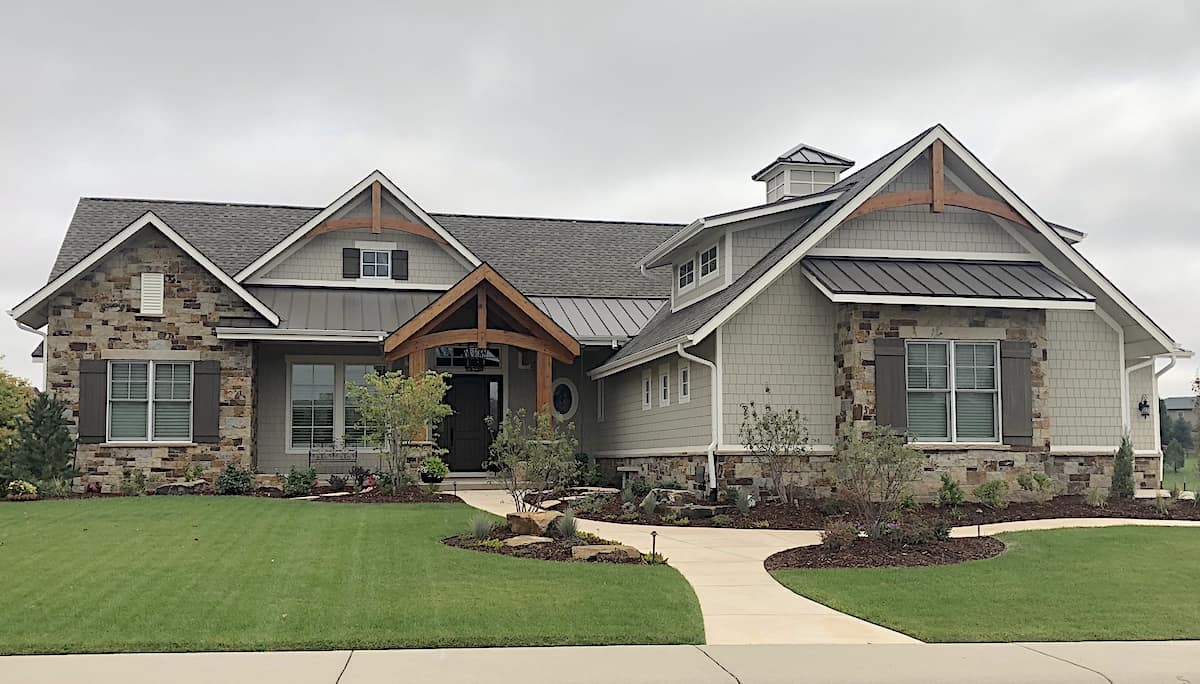
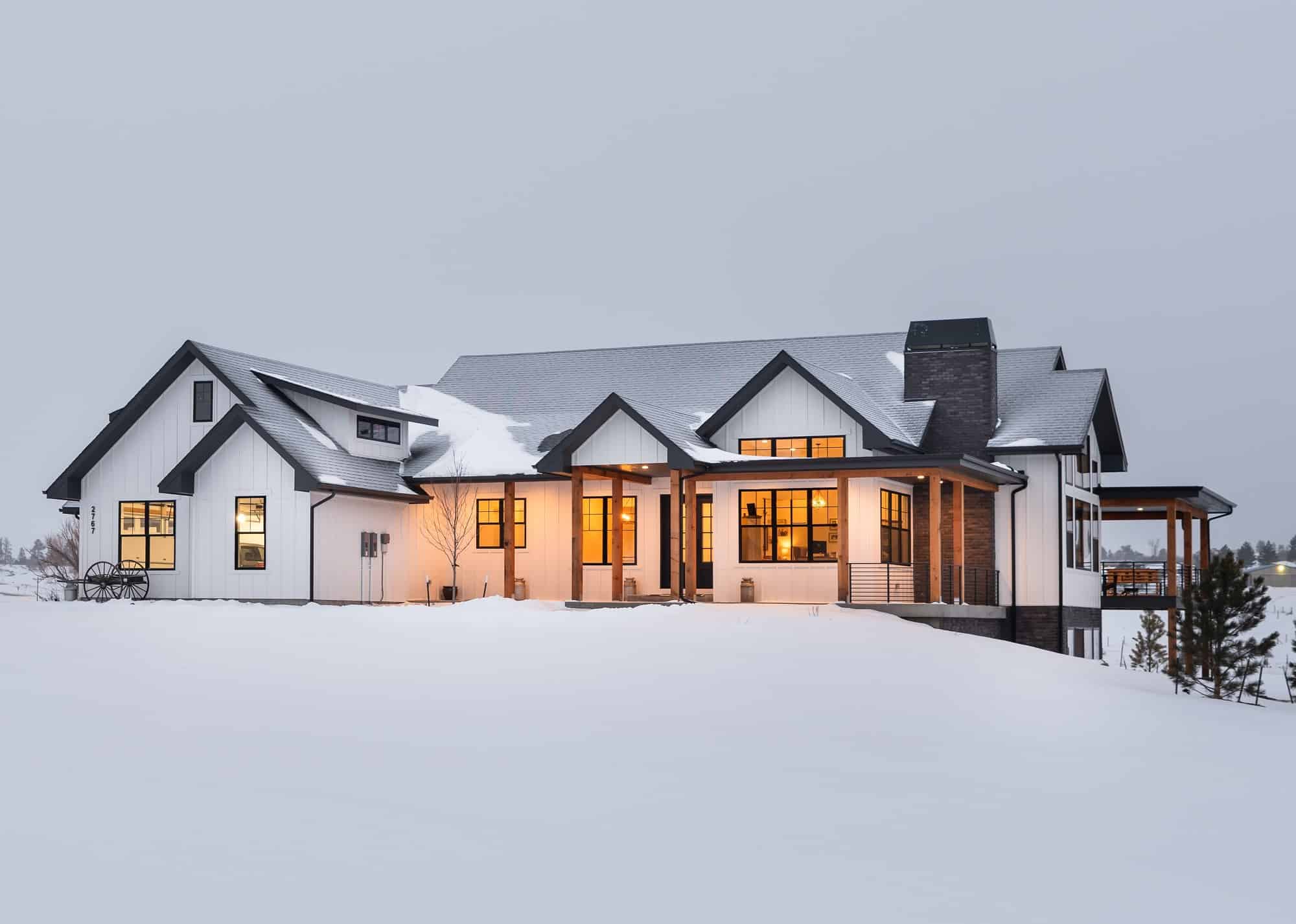
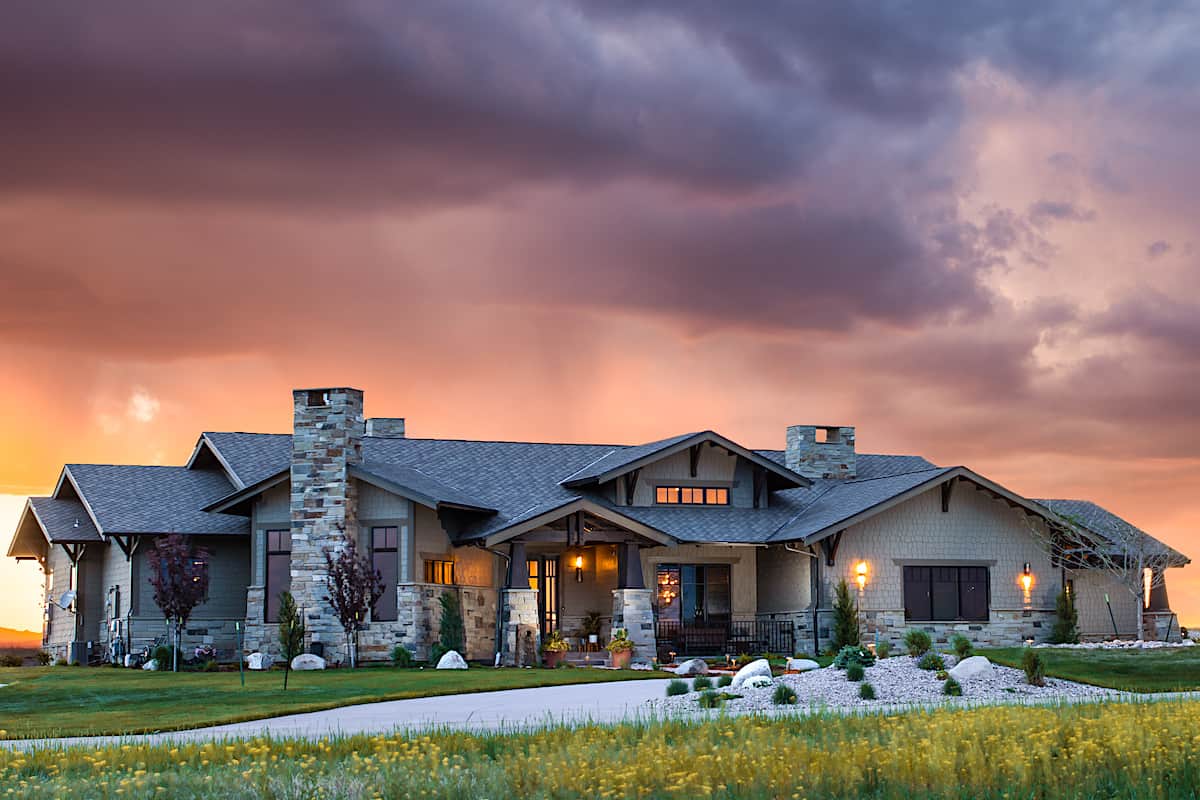
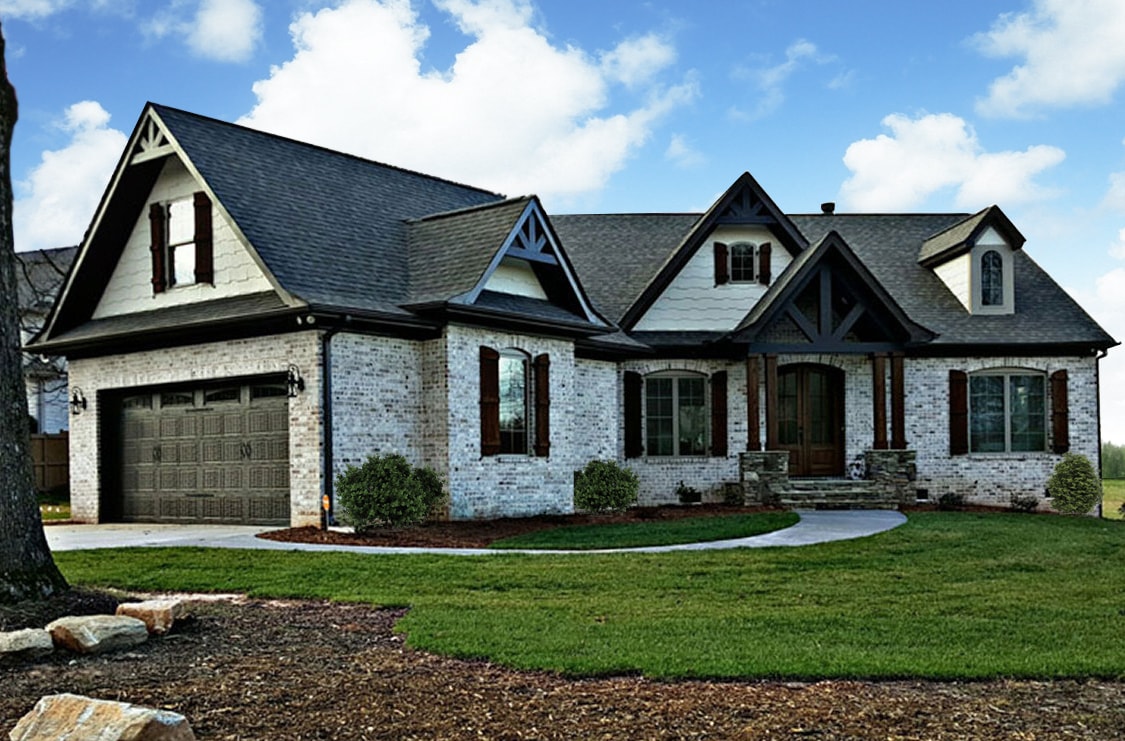
Arts and Crafts homes, in all their variety, share some common characteristics. Exposed rafters, beams, or rafter ends are common. Dormer windows in a variety of styles protect glass and create a welcoming entry. Foundations were often constructed of rock, sloping outward as they get closer to the ground. Exteriors were wood or stone with masonry chimneys, with large porches along the front of the home. Interior trim work emphasizes wood grains and built-in cabinetry. The beautifully simple, functional, and hand-hewn look of this home style appeals to many.
|
|
|
|
RECENT
ARTS AND CRAFTS HOUSE PLANS
ARTICLES
|
|
|
A Masculine Cottage, A Feminine Craftsman
|
|
Home plans come in many varieties, large and small, plain and detailed. The DDI105-202 is a very exclusive variety not commonly found just anywhere. This design is full of character, charm, and a good blend of masculinity and femininity. In other words, it has a rustic nature to it that's cottage enough to be cute and craftsman enough to keep a mature, slightly rigid, architecture.
This plan stands out because of its curb appeal and masterful blend of styles. The blend is
Read more
|
|
|
|
|
|
|
BROWSE ARTS AND CRAFTS HOUSE PLANS
|
|
See More >>>
|
|
|
|
|
|
House Plan:
161-1001
|
|
|
|
|
|
|
3339 Sq.Ft.
|
|
From $
1250.00
|
|
|
|
4 Bedrooms
|
|
3 Garage Bays
|
|
|
|
3 1/2
Baths
|
|
74'0''
Width
|
|
|
|
2
Floors
|
|
64'6''
Depth
|
|
|
|
|
|
|
|
|
|
|
|
|
|
|
|
|
|
|
House Plan:
141-1115
|
|
|
|
|
|
|
1816 Sq.Ft.
|
|
From $
750.00
|
|
|
|
3 Bedrooms
|
|
2 Garage Bays
|
|
|
|
2
Baths
|
|
65'0''
Width
|
|
|
|
1
Floors
|
|
60'8''
Depth
|
|
|
|
|
|
|
|
|
|
|
|
|
|
|
|
|
|
|
House Plan:
115-1245
|
|
|
|
|
|
|
2805 Sq.Ft.
|
|
From $
695.00
|
|
|
|
3 Bedrooms
|
|
3 Garage Bays
|
|
|
|
2
Baths
|
|
48'0''
Width
|
|
|
|
2
Floors
|
|
60'0''
Depth
|
|
|
|
|
|
|
|
|
|
|
|
|
|
|
|
|
|
|
House Plan:
116-1007
|
|
|
|
|
|
|
1586 Sq.Ft.
|
|
From $
1200.00
|
|
|
|
3 Bedrooms
|
|
2 Garage Bays
|
|
|
|
2 1/2
Baths
|
|
25'0''
Width
|
|
|
|
2
Floors
|
|
49'0''
Depth
|
|
|
|
|
|
|
|
|
|
|
|
|
|
|
|
|
|
|
House Plan:
153-1468
|
|
|
|
|
|
|
2886 Sq.Ft.
|
|
From $
640.00
|
|
|
|
4 Bedrooms
|
|
2 Garage Bays
|
|
|
|
2 1/2
Baths
|
|
57'0''
Width
|
|
|
|
2
Floors
|
|
71'8''
Depth
|
|
|
|
|
|
|
|
|
|
|
|
|
|
|
|
|
|
|
House Plan:
153-1706
|
|
|
|
|
|
|
2481 Sq.Ft.
|
|
From $
610.00
|
|
|
|
4 Bedrooms
|
|
2 Garage Bays
|
|
|
|
3
Baths
|
|
57'4''
Width
|
|
|
|
2
Floors
|
|
55'10''
Depth
|
|
|
|
|
|
|
|
|
|
|
|
| |
Add To Favorite :
|
|
 |
You are not logged In. Please Login first. |
|
|
|
|
|
See More >>>
|
|
|